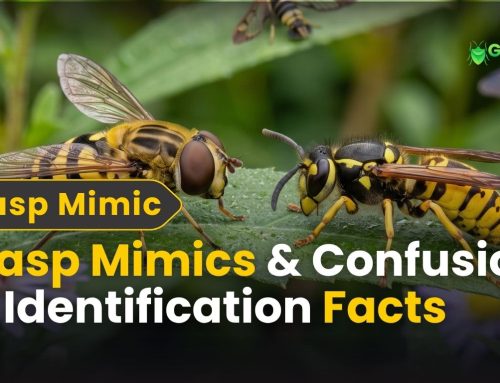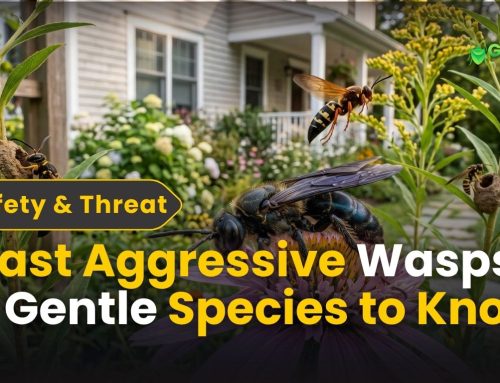
Are Parasitic Wasps Dangerous to Humans? 7 Facts
Introduction: What Most People Get Wrong About Parasitic Wasps
If you spotted a slender, unfamiliar insect hovering near your garden in Greenwich or noticed something that looked like a wasp-but-wasn’t in your Westport backyard, you’ve probably asked yourself: are parasitic wasps dangerous to humans?
The short answer is almost never.
But that short answer deserves a proper explanation, because parasitic wasps are one of the most misunderstood insects in the world. They look unsettling. Their lifestyle sounds like something from a horror film. And the word “wasp” alone is enough to make most homeowners take a step back.
Here’s what this article covers: what parasitic wasps actually are, what they look like, whether they sting, how their life cycle works, which species are common in Connecticut, and when if ever you should be concerned. By the end, you’ll have a much clearer picture of these fascinating insects and whether they pose any real risk to your household.
Let’s clear up seven of the most surprising facts about parasitic wasps.
What Is a Parasitic Wasp? (And Why the Name Sounds Worse Than It Is)
A parasitic wasp more accurately called a parasitoid wasp is a type of wasp that lays its eggs inside or on the body of another insect (called a host). When the eggs hatch, the larvae feed on that host, eventually killing it.
Sounds alarming. But here’s the thing: the host is almost always another insect, spider, or caterpillar not a human, a pet, or anything you’d find in your living room.
There are more than 17,000 known species of parasitic wasps globally, and scientists believe tens of thousands more remain undiscovered. They belong to several different families within the order Hymenoptera, including Ichneumonidae, Braconidae, Chalcididae, and Pteromalidae, among many others.
You can learn more about specific species found throughout Fairfield County in our parasitic and parasitoid wasp hub.
These wasps are not social insects like yellow jackets or hornets. They don’t build large colonies, they don’t guard nests aggressively, and they’re not the type of wasp that’s going to chase you across your yard because you got too close to a paper nest. For context on that type of encounter, our guide on what is a parasitic wasp breaks down the distinction clearly.
What Does a Parasitic Wasp Look Like?
This is where identification gets tricky. Parasitic wasps vary enormously in appearance depending on species, but there are some common traits to look for:
- Body shape: Most are slender and elongated with a thin waist (the “wasp waist” is more pronounced in many parasitoids than in social wasps)
- Size: Ranges from microscopic (some are smaller than a grain of rice) to about 2 inches long in larger ichneumon species
- Color: Usually black, brown, or a combination of yellow and black — though some species are metallic green or blue
- Wings: Two pairs of wings, held flat or slightly raised when resting
- Ovipositor: Many females have a long, needle-like structure at the back of their abdomen this is the egg-laying tube, often mistaken for a stinger
That last point is one of the biggest sources of confusion. When homeowners in Darien or New Canaan see an insect with what looks like a long stinger protruding from its abdomen, they assume it’s dangerous. In most cases, that “stinger” is actually an ovipositor used to lay eggs not to sting.
If you’re unsure whether what you’re seeing is a parasitic wasp or something else entirely, our Connecticut wasp and hornet ID encyclopedia is a useful starting point.
Do Parasitic Wasps Sting? (Surprising Fact 1)
This is the question most homeowners want answered first, and honestly it’s the right question to ask.
Most parasitic wasps cannot sting humans at all.
Here’s why: In wasps, the stinger is actually a modified ovipositor. In many parasitoid species, the ovipositor is specialized purely for egg-laying and has lost its ability to inject venom. So even if one landed on your arm, it physically lacks the means to sting you.
In species that do retain a functional stinger, they almost never use it on humans because:
- They have no nest to defend
- They’re solitary insects without a colony to protect
- Humans are simply not a threat they’ve evolved to respond to
The few cases where a parasitic wasp might sting a human are typically when the insect is grabbed, pinched, or trapped against skin. Even then, the sting is usually described as mild far less painful than a yellow jacket or hornet sting.
For a deeper breakdown of sting behavior across species, see our dedicated page on whether parasitic wasps sting.
Are Parasitic Wasps Dangerous to Humans? 7 Surprising Facts
Let’s get into the core of what you came here to find out.
Fact 1: Parasitic Wasps Almost Never Sting Humans
As covered above, the vast majority of parasitic wasp species either physically cannot sting humans or have no behavioral motivation to do so. They’re simply not interested in you.
Fact 2: They Are One of Nature’s Best Natural Pest Controllers
This is the fact that surprises most homeowners most. Parasitic wasps are extremely beneficial insects. They target pest species like aphids, caterpillars, whiteflies, tomato hornworms, and cabbage worms. Farmers and gardeners have known for decades that encouraging parasitic wasp populations in a garden dramatically reduces the need for chemical pesticides.
The EPA and agricultural universities actively promote parasitic wasps as part of Integrated Pest Management (IPM) strategies. Rather than something to eliminate, they’re often something to welcome.
Fact 3: Their Life Cycle Is Unsettling But Harmless to You
The parasitic wasp life cycle is genuinely one of the stranger things in the insect world. A female finds a suitable host say, a caterpillar and either lays her eggs inside it or on its surface. The larvae hatch and consume the host from within or outside, pupate, and eventually emerge as adults.
While this process is lethal to the host insect, it poses zero risk to humans, pets, or plants. The larvae aren’t going to seek out anything other than their intended host species.
Fact 4: Allergic Reactions Are Extremely Rare But Possible
While parasitic wasp stings are uncommon, any insect sting theoretically carries a small risk of allergic reaction. People with known bee or wasp venom allergies should exercise standard caution around any wasp species. However, anaphylaxis from a parasitic wasp sting is extremely rare and not well-documented in medical literature.
If you’re concerned about wasp-related allergies in general, that’s more likely relevant to social wasps like yellow jackets or hornets. Our article on how harmful hornets are provides more perspective on stinging risk from species that are known to pose genuine danger.
Fact 5: The “Giant” Ichneumon Wasp Looks Terrifying But Is Harmless
If you’ve ever seen an insect in your Connecticut yard that looked like a massive wasp with an absurdly long “stinger,” it was probably the giant ichneumon wasp (Megarhyssa macrurus). The female’s ovipositor can reach up to four inches in length longer than the wasp’s body.
Despite how alarming this looks, giant ichneumon wasps are completely harmless to humans. That long structure is purely an egg-laying apparatus. The female uses it to drill through tree bark and deposit eggs into wood-boring beetle larvae living inside — a remarkable biological feat that has nothing to do with threatening you or your family.
Fact 6: You’ve Probably Been Near Them Hundreds of Times Without Knowing
Parasitic wasps are extraordinarily common far more so than most people realize. Because they’re small, solitary, and non-aggressive, they go unnoticed. If you’ve ever spent time in a Connecticut garden in Fairfield County during spring or summer, parasitic wasps were almost certainly present. You likely walked right past them.
This is actually a good thing. A garden with parasitic wasp activity is typically a healthy garden with balanced pest populations.
Fact 7: They Are Not the Same as Yellow Jackets, Hornets, or Paper Wasps
This distinction matters. When most people in Norwalk or Stamford call a pest control company about “wasps,” they’re usually dealing with yellow jackets, paper wasps, or bald-faced hornets social species that do sting readily and can be genuinely dangerous when disturbed.
Parasitic wasps are a completely different category of insect. Conflating the two leads to unnecessary alarm and sometimes to people destroying beneficial insect populations that were actually helping control garden pests.
If you’re ever unsure what you’re dealing with, our wasp vs. hornet identification guide for Connecticut is a good place to start. You can also reference our broader guide on types of wasps and how to identify them for a side-by-side breakdown.
Common Parasitic Wasp Species in Connecticut
Fairfield County’s mix of suburban neighborhoods, wooded lots, gardens, and green spaces makes it ideal habitat for a wide range of parasitic wasp species. Here are a few you’re most likely to encounter:
| Species | Size | Host | Danger to Humans |
| Giant Ichneumon Wasp | Up to 3–4″ (including ovipositor) | Wood-boring beetle larvae | None |
| Braconid Wasps | 1/16″ to 5/8″ | Aphids, caterpillars, beetles | None |
| Chalcid Wasps | Tiny (often < 1/8″) | Fly pupae, scale insects | None |
| Trichogramma Wasps | Microscopic | Moth and butterfly eggs | None |
| Spider Wasps | Up to 1.5″ | Spiders | Rarely — if handled |
Spider wasps are worth a brief note. Unlike most parasitic wasps, spider wasps do have functional stingers and can deliver a painful sting if grabbed. However, they’re solitary, not aggressive, and stings outside of deliberate handling are uncommon.
Parasitic Wasps in Connecticut: Seasonal Behavior
Connecticut’s seasons play a significant role in when and where you’ll encounter these insects.
Spring (March–May): Adult parasitic wasps begin emerging as temperatures rise. This is when females are most actively searching for hosts. You may notice more activity around garden beds and tree lines in communities like Wilton or Darien.
Summer (June–August): Peak activity season. With abundant host insects available — caterpillars on vegetable gardens, aphids on ornamental plants, wood-boring beetles in mature trees — parasitic wasp populations are at their most active. This is also when homeowners most frequently confuse parasitic wasps with social wasp species.
Fall (September–November): Activity tapers off. Some species overwinter as pupae inside their hosts. Others seek protected locations.
Winter (December–February): Most parasitic wasp species are dormant or overwintering in various life stages. You’re unlikely to see adults.
This seasonal pattern differs significantly from social wasps like yellow jackets, which tend to become most aggressive in late summer and fall as their colony resources decline. For more on that behavior, see our guide on when wasps are least active.
Are Parasitic Wasps Safe to Have in Your Yard?
In a word yes.
Not only are parasitic wasps safe, but many entomologists and Integrated Pest Management specialists actively encourage homeowners to create garden environments that support parasitic wasp populations. Practices that help include:
- Planting diverse flowering plants — especially plants with small flowers like dill, fennel, yarrow, and Queen Anne’s lace, which provide nectar for adult parasitic wasps
- Reducing broad-spectrum insecticide use — many pesticides kill beneficial insects alongside pests
- Leaving some natural debris — leaf litter and garden debris provide overwintering habitat
- Avoiding tilling garden soil excessively — some species pupate in the soil
The only scenario where you’d want to consult a pest professional about parasitic wasps is if you’re seeing unusually high numbers of them in a specific area and aren’t sure what you’re dealing with. Even then, the goal would typically be proper identification, not elimination.
When Should You Call a Pest Control Professional?
Parasitic wasps themselves don’t warrant a pest control call. But here’s where the situation gets nuanced:
If you’re seeing what you think are parasitic wasps but you’re not certain, it’s worth getting a professional identification. What looks like a harmless parasitic wasp could, in some circumstances, be a species like a spider wasp or a type of ground hornet that does pose a sting risk.
If you’re seeing large numbers of any wasp-like insect near your home’s entry points, eaves, or under decking, that’s a sign you might have a social wasp colony — yellow jackets, paper wasps, or hornets — rather than parasitic wasps. Social wasps require very different management.
If you’ve had a nest appear, whether you can identify it as a paper wasp nest or something else, professional removal is the safest path.
For homeowners across Greenwich, Stamford, Fairfield, Westport, and surrounding Fairfield County communities, Green Pest Management CT offers expert identification and professional wasp and hornet services using IPM-focused approaches that protect your family while minimizing unnecessary impact on beneficial insect populations.
If you’re dealing with a genuine wasp or hornet problem — not parasitic wasps — our team can help. Explore our hornet exterminator services or our full wasp and hornet behavior and identification hub for detailed guidance on what you might be dealing with.
DIY vs. Professional: How to Handle Wasp Concerns
| Situation | DIY Approach | Call a Professional |
| Single parasitic wasp spotted in yard | Leave it alone | Not needed |
| Multiple parasitic wasps near garden | Observe — likely beneficial | Not needed |
| Active nest visible on structure | Use caution — may not be parasitic | Recommended |
| Yellow jacket or hornet nest identified | Risky without proper gear | Strongly recommended |
| Unsure what species you’re dealing with | Photograph and research | Recommended for confidence |
| Child or pet stung | Treat symptomatically | If allergic reaction — seek medical help |
When in doubt, a professional inspection is always the safest and most efficient path. For Connecticut homeowners in communities like New Canaan, Norwalk, or Wilton, local pest professionals familiar with the region’s insect populations will give you a faster, more accurate assessment than any online research.
Frequently Asked Questions
Are parasitic wasps dangerous to humans?
No. Parasitic wasps are almost never dangerous to humans. Most species cannot sting at all, and those that can are solitary, non-aggressive, and unlikely to sting unless physically handled. They pose no meaningful threat to people or pets.
What is a parasitic wasp?
A parasitic wasp is a type of wasp that lays its eggs in or on another insect (called a host). The larvae then develop by consuming the host. There are thousands of species worldwide, and nearly all are beneficial insects that help control pest populations.
Do parasitic wasps sting?
Most parasitic wasps do not sting humans. Many species have ovipositors egg-laying organs that look like stingers but these structures cannot inject venom. A small number of species retain a functional sting but rarely use it.
What does a parasitic wasp look like?
Parasitic wasps vary greatly by species. Most are slender with a narrow waist, and range from microscopic to about 2 inches long. Many are black or brown, though some are metallic green. Females of some species have a very long ovipositor that is often mistaken for a stinger.
Are parasitic wasps beneficial?
Yes. Parasitic wasps are highly beneficial insects. They naturally control populations of caterpillars, aphids, whiteflies, and other garden pests. They are actively promoted in Integrated Pest Management (IPM) programs as a sustainable alternative to chemical pesticides.
How do I know if I’m seeing a parasitic wasp or a dangerous wasp?
Parasitic wasps are typically small, solitary, and found near plants or trees — not hovering around food or flying aggressively near people. Social wasps like yellow jackets and hornets tend to be larger, travel in groups, and behave more defensively. If you’re unsure, our Connecticut wasp and hornet ID guide can help.
Can parasitic wasps infest my home?
No. Parasitic wasps do not build nests in homes, infest structures, or form colonies inside walls. They live outdoors and target specific host insects. If you’re seeing wasps entering your home, it’s almost certainly a social wasp species — not a parasitic wasp.
Should I get rid of parasitic wasps in my garden?
In almost all cases, no. Parasitic wasps are beneficial and should be left alone. Attempting to eliminate them would likely harm your garden’s natural pest control system. The only exception might be if you have a specific reason for concern and a pest professional has confirmed the species.
Are parasitic wasps common in Connecticut?
Yes. Fairfield County’s diverse landscapes woodlands, gardens, and green spaces across communities from Stamford to Westport provide ideal habitat for many parasitic wasp species. They’re present throughout the spring, summer, and early fall seasons.
When should I call a pest control company about wasps in Connecticut?
Call a professional when you’ve identified an active nest, when you’re unsure what species you’re dealing with, or when you’ve had a sting incident. For aggressive or colony-building species, professional removal is the safest option. Contact Green Pest Management CT for a professional assessment across Greenwich, Darien, Norwalk, Wilton, and surrounding areas.
Conclusion: Parasitic Wasps Are Rarely Something to Fear
So are parasitic wasps dangerous to humans? In practical terms, no. These insects are among the most beneficial in the natural world, and the overwhelming scientific consensus is that they pose virtually no threat to people, pets, or property.
What they do pose a threat to is the pest insect population in your yard which, from a homeowner’s perspective, is exactly what you want.
The confusion usually comes from their unsettling appearance, their name, and the genuine danger that other wasp species can pose. Yellow jackets, hornets, and paper wasps are a completely different story. If you’re dealing with a social wasp colony anywhere near your home in Fairfield County, that’s a situation that warrants professional attention.
For accurate identification, seasonal pest advice tailored to Connecticut’s climate, and expert wasp and hornet management when it’s actually needed, the team at Green Pest Management CT is here to help. Serving Greenwich, Stamford, Darien, Westport, Fairfield, Wilton, New Canaan, Norwalk, and communities throughout Fairfield County, we bring practical, IPM-based solutions to every pest concern big or small.
If you’re unsure what’s flying around your yard this season, don’t guess. Schedule a professional pest inspection and get a confident answer from someone who knows Connecticut insects firsthand.