What Is a Parasitic Wasp? 7 Essential Facts You Should Know
If you have noticed a tiny wasp hovering around garden plants, crawling on a caterpillar, or appearing near a tree in your Greenwich or Stamford yard, you may be wondering: what is a parasitic wasp, and should I be worried?
A parasitic wasp is usually a small, solitary wasp that lays its eggs in, on, or near another insect. Its young develop using that insect as a food source. While that sounds unpleasant, these wasps are typically harmless to people and highly beneficial because they naturally control pests such as aphids, caterpillars, beetles, flies, and stink bugs.
Unlike yellow jackets, hornets, and paper wasps, parasitic wasps do not form the large, defensive paper nests that create problems around Connecticut homes. Most are so small that homeowners never notice them. They are part of the natural pest-control system working in gardens, wooded properties, and landscapes throughout Fairfield County.
This guide explains what parasitic wasps are, what they look like, whether they sting, how their life cycle works, and when a wasp problem should be handled by a pest control professional.
Quick Answer: What Is a Parasitic Wasp?
A parasitic wasp is a wasp whose larvae develop by feeding on another insect or arthropod host. In everyday language, “parasitic wasp” often refers to a parasitoid wasp—a species whose developing young eventually kill the host insect.
Most parasitic wasps are:
- Solitary rather than colony-forming
- Small and non-aggressive
- Beneficial to gardens and landscapes
- Focused on insects, not people
- Unlikely to sting humans
- Important natural controls for common pests
If you see a small wasp searching through leaves, flowers, or tree bark and it is not defending a nest, it is often a beneficial species. If you see repeated wasp traffic entering a wall, attic, ground hole, or paper nest, you may be dealing with yellow jackets, hornets, or paper wasps instead.
For help distinguishing common Connecticut species, see Green Pest Management CT’s wasp and hornet identification guide.
What Is a Parasitic Wasp? A Clear Definition
The term “parasitic wasp” describes a broad group of wasps that use other insects during their development. Instead of building a large nest, raising workers, and defending a colony like a yellow jacket or hornet, many parasitic wasps locate a specific insect host and lay one or more eggs in, on, or beside it.
When the eggs hatch, the larvae feed on the host. Depending on the wasp species, the host may be:
- An aphid on a rose bush
- A caterpillar eating vegetable plants
- A beetle larva inside wood
- A fly pupa near compost or animal waste
- A stink bug egg mass on leaves
- A spider or spider egg sac
Parasitic Wasp vs. Parasitoid Wasp
People often use the two terms interchangeably, but there is a technical difference.
- A parasite usually lives off a host without immediately killing it.
- A parasitoid develops on or inside one host and ultimately kills that host.
Most insects commonly called parasitic wasps are actually parasitoids. Their role may sound harsh, but it helps regulate insect populations naturally.
The EPA’s Integrated Pest Management principles recognize biological controls—including beneficial insects—as an important part of reducing unnecessary pesticide use. That is why experienced pest professionals do not treat every insect they find outdoors as a problem.
7 Essential Facts About Parasitic Wasps
1. Most Parasitic Wasps Are Beneficial
Parasitic wasps help control insects that damage gardens, ornamental plants, trees, and agricultural crops. They target pests that Connecticut homeowners regularly encounter, including aphids, caterpillars, beetles, flies, and certain stink bugs.
For example, a tiny braconid wasp may parasitize aphids feeding on your hydrangeas. Another species may use hornworm or moth caterpillars as hosts. Instead of spraying a broad insecticide that can affect pollinators and helpful predators, encouraging beneficial insects can support a healthier garden ecosystem.
This is one of the basic ideas behind Integrated Pest Management (IPM): identify the insect first, determine whether it is harmful, and use the least disruptive effective solution.
2. They Usually Do Not Build Large Paper Nests
One of the easiest ways to separate parasitic wasps from a serious wasp concern is to look for a nest.
Parasitic wasps generally do not build the familiar paper nests associated with:
- Yellow jackets
- Bald-faced hornets
- European hornets
- Paper wasps
They may emerge from cocoons, holes in wood, plant galls, soil, or host insects, but they do not create large colonies full of workers defending a queen.
If you have discovered an open, umbrella-shaped nest beneath a deck railing, eave, shed roof, or porch ceiling, you are more likely dealing with paper wasps. Our guide to paper wasp nests and where they are found can help you compare what you see.
3. Their Life Cycle Depends on a Host Insect
The parasitic wasp life cycle has four primary stages: egg, larva, pupa, and adult.
Here is the basic process:
- The adult female finds a suitable host.
She may detect chemical odors from the host, vibrations from insects feeding inside wood, or damage on a plant. - She lays eggs in, on, or near the host.
This is done with an egg-laying structure called an ovipositor. - The larva develops using the host as food.
The developing larva feeds on the host internally or externally, depending on the species. - The adult wasp emerges and begins the cycle again.
Adults often feed on nectar, pollen, or honeydew before finding hosts for the next generation.
Some wasps target insect eggs, preventing pests from developing at all. Others target caterpillars, aphids, beetle larvae, or pupae.
4. Most Species Are Tiny and Easy to Miss
When homeowners ask, “What does a parasitic wasp look like?” the answer depends on the species. Many are only a few millimeters long. Some resemble tiny flies, gnats, or black specks moving over leaves.
Common features include:
- A narrow waist between the thorax and abdomen
- Long antennae
- Clear or slightly smoky wings
- A slim black, brown, reddish, or metallic body
- Slow searching behavior over plants, bark, or soil
- A visible ovipositor on some females
Certain ichneumon wasps are much larger and may have a very long, thread-like ovipositor extending behind their body. This can look intimidating, but it is generally used to place eggs into wood-boring insect larvae—not to attack people.
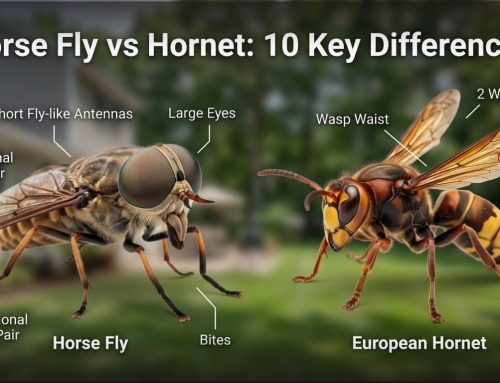
5. Parasitic Wasps Are Not the Same as Yellow Jackets or Hornets
This is an important distinction for homeowners in Greenwich, Darien, Westport, and surrounding Fairfield County communities.
Parasitic wasps are usually solitary, discreet, and uninterested in human food or activity. Yellow jackets and hornets are social wasps that live in colonies and may become defensive when their nest is disturbed.
| Feature | Parasitic Wasp | Yellow Jacket or Hornet |
| Social behavior | Usually solitary | Lives in a colony |
| Nest type | No large paper nest | Paper nest, wall void, ground nest, tree nest |
| Interest in people | Low | May investigate food, drinks, trash, or activity |
| Sting risk | Generally low | Higher near a nest |
| Main food source | Host insects, nectar, honeydew | Insects, sugars, proteins, human food |
| Pest-control role | Often beneficial | Can be beneficial but may become a safety concern |
For a closer comparison, see our guide to wasps vs. hornets in Connecticut.
6. Do Parasitic Wasps Sting? Usually, They Do Not Cause Problems
The short answer is: most parasitic wasps do not sting people, and those that can sting rarely do so unless handled or trapped against the skin.
Many species are too small to penetrate human skin. Others use their ovipositor to place eggs in insect hosts rather than as a defensive weapon. Their behavior is focused on locating insects, not defending territory.
However, there are exceptions. Some larger solitary hunting wasps, including spider wasps, can sting if provoked or handled. These wasps are still generally not aggressive around people, but they should be left alone.
If you have a known allergy to insect venom, treat any sting seriously. Seek emergency medical help for difficulty breathing, swelling of the face or throat, widespread hives, dizziness, or other signs of a severe allergic reaction. For first-aid guidance, review our treatment guide for wasp and hornet stings.
7. They Are a Sign of a Functioning Outdoor Ecosystem
A parasitic wasp in your garden is often a sign that your landscape supports beneficial insect activity. Flowering plants, healthy soil, a variety of native plants, and reduced use of broad-spectrum pesticides can all support natural predators and parasitoids.
That does not mean every insect activity should be ignored. It means the right approach begins with identification. Removing beneficial insects unnecessarily can make garden pest problems worse over time.
For a deeper look at different parasitoid groups and their role in Connecticut landscapes, visit our Parasitic & Parasitoid Wasp Hub.
Common Types of Parasitic Wasps Homeowners May See
There are thousands of parasitic wasp species, but these groups are among the most relevant to Connecticut yards, gardens, and wooded properties.
Braconid Wasps
Braconid wasps are small parasitoids that commonly target aphids and caterpillars. You may see evidence of their activity when caterpillars have clusters of tiny white cocoons attached to their bodies.
Those cocoons are developing wasps—not eggs from a harmful household pest. Leave them alone when possible.
Ichneumon Wasps
Ichneumon wasps are often larger than braconids and may have long antennae or a noticeable ovipositor. Some species search tree trunks for wood-boring insect larvae. They are common around wooded properties in Wilton, New Canaan, and other areas with mature trees.
Chalcid Wasps
Chalcid wasps are often extremely small and may have metallic green, blue, bronze, or copper coloring. They parasitize scale insects, whiteflies, flies, beetles, and other insects.
Trichogramma Wasps
Trichogramma wasps are tiny egg parasitoids. They target the eggs of moths and butterflies, helping limit populations of caterpillars before they begin feeding on plants.
Scelionid and Platygastrid Wasps
These small wasps often parasitize the eggs of stink bugs, moths, and other insects. They are particularly important in natural control of invasive pests, including some stink bug species.
Pteromalid Wasps
Pteromalid wasps can parasitize fly pupae and certain beetles. They are part of the natural insect community around compost, barns, gardens, and outdoor areas where flies breed.
Spider Wasps
Spider wasps are larger solitary wasps that hunt spiders for their larvae. They can sting if mishandled, but they are usually more interested in spiders than people. If you see one dragging a spider across a patio or garden bed, give it room and let it move on.
Signs You Have Parasitic Wasps Rather Than a Stinging Wasp Nest
Homeowners often call Green Pest Management CT after seeing unfamiliar wasp activity around flowers, trees, or vegetable gardens. A professional inspection is useful when identification is uncertain, but these clues can help.
Likely Signs of a Beneficial Parasitic Wasp
- A single small wasp moving slowly over leaves or plant stems
- Tiny wasps around flowers but no visible paper nest
- Caterpillars with small white cocoon clusters
- Dry, swollen, papery-looking aphids, sometimes called “aphid mummies”
- Wasp activity near tree bark, insect holes, or plant damage
- No aggressive behavior when people walk nearby
- No steady traffic entering a wall, eave, or ground opening
Signs You May Have a Problematic Social Wasp
- Many wasps flying in and out of one location
- A paper nest under an eave, deck, shed, or roofline
- Ground-level traffic near a hole in the lawn
- Wasps becoming defensive when people approach
- Yellow-and-black insects gathering around trash, drinks, meat, or pet food
- Activity inside a wall, attic, chimney, or soffit
If you see a nest or persistent insect traffic around your home, do not assume it is a parasitic wasp. Use our wasp nest identification chart or arrange a professional inspection.
Why Are Parasitic Wasps Around My Connecticut Home?
Parasitic wasps appear where their hosts are available. In other words, if you have aphids, caterpillars, beetle larvae, flies, or other insects in your landscape, natural enemies may follow.
Common reasons they appear include:
- Flowering gardens that provide adult wasps with nectar
- Vegetable gardens with aphids or caterpillars
- Mature trees with wood-boring insect activity
- Compost areas, leaf litter, or natural mulch
- Outdoor lights that attract insects at night
- Shrubs, hedges, and native plantings that support insect diversity
- Nearby wooded areas and undeveloped land
Connecticut’s humid summers, wooded lots, and varied suburban landscaping create good habitat for many beneficial insects. Homes near parks, coastal green spaces, wooded edges, and established tree cover in Westport, Fairfield, Norwalk, and Darien may see more insect diversity than heavily paved areas.
Are Parasitic Wasps Dangerous to Humans, Pets, or Plants?
For most homeowners, parasitic wasps are not dangerous.
They do not infest people, pets, furniture, food, or clothing. They do not chew through walls. They do not build large nests inside attics. They are not interested in blood, and they are not looking for humans or pets as hosts.
The Main Risks to Know
The practical risks are usually limited to:
- Misidentifying a social wasp as a harmless parasitoid
- Accidentally handling a larger solitary wasp
- Disturbing a nearby yellow jacket or hornet nest
- Using broad insecticides that kill beneficial insects and pollinators
A parasitic wasp may look unusual, especially an ichneumon wasp with a long ovipositor. But appearance alone does not mean danger.
When a homeowner finds a paper nest or aggressive wasp activity, the situation is different. Learn more about yellow jacket behavior and nest risks before attempting any removal.
Prevention Tips: Manage Wasp Concerns Without Harming Beneficial Species
You do not need to eliminate parasitic wasps from your garden. In many cases, the best approach is to leave them alone while taking reasonable steps to prevent nuisance wasps from nesting close to the home.
A Smart Prevention Checklist
- Inspect eaves, shutters, deck railings, sheds, and outdoor furniture in spring.
- Repair loose screens, gaps around windows, and damaged weatherstripping.
- Keep outdoor garbage containers closed and clean spills promptly.
- Rinse recycling containers before placing them outside.
- Avoid leaving pet food outdoors.
- Cover sweet drinks and food during outdoor gatherings.
- Trim vegetation away from exterior walls where possible.
- Remove abandoned paper nests during winter, when no wasps are active.
- Avoid spraying insecticides on flowering plants unless a specific pest has been identified.
- Plant beneficial-insect-friendly flowers such as yarrow, dill, alyssum, goldenrod, and native flowering plants.
The goal is not to create an insect-free yard. It is to reduce high-risk nesting areas while allowing beneficial species to help manage garden pests naturally.
The University of Connecticut Extension offers science-based resources on home gardening, plant health, and insect management that can help homeowners make informed outdoor pest-control decisions.
DIY vs. Professional Pest Control: When to Leave Wasps Alone
When DIY Observation Is Usually Enough
You can normally leave the situation alone if you see:
- One or two small wasps around flowers or plants
- A parasitized caterpillar with white cocoons
- Small insects around aphid colonies
- A large solitary wasp passing through the yard
- Galls on a healthy mature oak tree
- No nest and no aggressive behavior
Take a photo from a safe distance if you want help identifying the insect. Do not grab, swat, or spray an unfamiliar wasp simply because it looks different.
When to Contact a Professional
Call a pest control professional if you notice:
- A nest near doors, walkways, decks, playgrounds, or outdoor seating
- Wasps entering a wall void, attic, chimney, or soffit
- Ground-nesting wasps near areas used by children or pets
- Repeated stings or aggressive behavior
- A family member with a known stinging-insect allergy
- Large wasp activity that you cannot identify safely
Green Pest Management CT helps homeowners throughout Greenwich, Stamford, Darien, Westport, Fairfield, Wilton, New Canaan, Norwalk, and surrounding Fairfield County communities identify and manage wasp concerns responsibly.
What a Professional Wasp Inspection Looks Like
A professional inspection should begin with identification—not an automatic treatment.
At Green Pest Management CT, a wasp-related inspection typically focuses on:
- Identifying the insect or nest type
Is it a parasitic wasp, paper wasp, yellow jacket, hornet, bee, or another flying insect? - Locating activity areas
We look at eaves, rooflines, wall voids, decks, sheds, ground openings, trees, and landscape edges. - Assessing safety risks
Nest location, household activity, children, pets, allergies, and access all matter. - Recommending a targeted approach
Beneficial parasitoid activity may require no treatment at all. A defensive colony near your home may require a focused pest management solution. - Providing prevention guidance
Homeowners receive practical advice for reducing future nesting and attracting fewer nuisance wasps near structures.
This approach aligns with Integrated Pest Management: use the right solution for the actual pest, rather than treating every flying insect as a threat.
If you are dealing with a confirmed stinging-wasp nest, explore Green Pest Management CT’s professional hornet and wasp removal services.
Seasonal Parasitic Wasp Activity in Connecticut
Spring
In spring, parasitic wasps emerge as temperatures rise and insect hosts become active. This is also when queens of yellow jackets and paper wasps begin searching for nesting locations around homes.
Spring exterior inspections can help homeowners identify early paper-wasp nests before they become larger.
Summer
Summer is peak activity for many parasitoid wasps because aphids, caterpillars, beetles, flies, and other hosts are abundant. Gardens in Greenwich, Stamford, and Westport may have visible beneficial insect activity around flowering plants and vegetable beds.
This is also when yellow jacket and hornet colonies grow quickly, so it is important to distinguish solitary beneficial insects from colony-forming species.
Fall
In late summer and early fall, yellow jackets can become more noticeable around food, garbage, fruit, and outdoor gatherings. Parasitoid wasps may still be active in gardens, especially around late-season flowers and host insects.
Winter
Most parasitic wasps overwinter as eggs, larvae, or pupae in protected places such as host remains, soil, plant stems, or leaf litter. Winter is generally the safest time to remove old, inactive paper nests from structures.
Local Advice for Fairfield County Homeowners
Fairfield County homes often combine mature landscaping, wooded edges, ornamental gardens, patios, decks, and outdoor entertaining areas. That mix supports a broad range of insects—including both beneficial parasitoid wasps and nuisance stinging wasps.
In Greenwich and Darien, homeowners often find wasp activity around rooflines, stone walls, gardens, and wooded property edges. Stamford and Norwalk properties may see activity around urban landscaping, decks, trash areas, and exterior structures. Westport, Fairfield, Wilton, and New Canaan homeowners frequently deal with mature tree cover, garden pests, and ground-nesting yellow jackets later in the season.
The best response is always based on what you actually have:
- Beneficial parasitoid around plants: usually leave it alone.
- Solitary spider wasp: keep your distance and let it move through.
- Paper nest near an entryway: arrange professional assessment.
- Yellow jackets in the ground: keep people and pets away from the area.
- Hornet activity in a wall or attic: do not seal the opening before treatment.
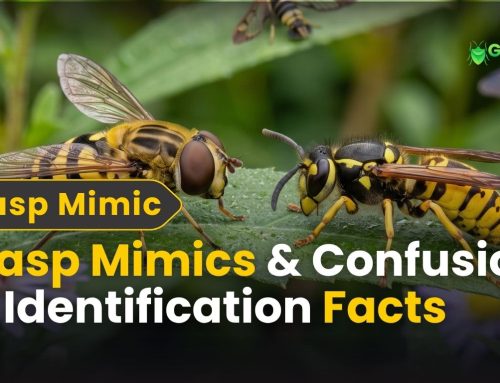
For help identifying other wasp-like insects, review our guide to flying insects that look like wasps.
Frequently Asked Questions
What is a parasitic wasp?
A parasitic wasp is a wasp that lays its eggs in, on, or near another insect. The wasp larvae develop using that host as food. Most species are beneficial because they naturally control pest insects.
Do parasitic wasps sting?
Most parasitic wasps rarely sting humans and are not aggressive. Many are too small to sting effectively, while others use their ovipositor mainly to lay eggs in insect hosts. Larger solitary wasps may sting if handled or threatened.
Are parasitic wasps dangerous to humans?
No, most parasitic wasps are not dangerous to humans. They are solitary, do not defend colonies, and are focused on insect hosts. The bigger concern is correctly identifying whether you have a social wasp nest nearby.
What does a parasitic wasp look like?
They vary by species, but many are small, slender wasps with long antennae and narrow waists. They may be black, brown, reddish, or metallic green or blue. Some female ichneumon wasps have a long egg-laying tube behind the body.
Do parasitic wasps make nests?
They do not make large paper nests like yellow jackets, hornets, or paper wasps. Most are solitary and develop in or near their insect hosts.
Are parasitic wasps good for gardens?
Yes. Many parasitic wasps target aphids, caterpillars, beetles, scale insects, flies, and other garden pests. They are an important part of natural pest management.
Why are parasitic wasps in my yard?
They are usually present because their insect hosts are available. Flowering plants, gardens, trees, shrubs, compost, and natural landscaping can all support beneficial wasp populations.
Should I spray parasitic wasps?
Usually, no. Spraying can kill beneficial insects and may disrupt natural pest control in your landscape. If you are unsure what species you have, arrange an inspection before using an insecticide.
How can I tell a parasitic wasp from a yellow jacket?
Parasitic wasps are usually solitary and search plants or insects. Yellow jackets often travel repeatedly to and from a nest, gather around food or garbage, and may become defensive near their colony.
When should I call Green Pest Management CT about wasps?
Contact a professional if you see a nest near your home, repeated wasp traffic into a wall or ground hole, aggressive behavior, stings, or activity near children, pets, doors, decks, or outdoor living spaces.
Conclusion: Most Parasitic Wasps Are Helpers, Not Household Pests
So, what is a parasitic wasp? It is usually a small, solitary, beneficial insect that helps keep other insect populations in balance. While the name may sound alarming, most parasitic and parasitoid wasps are safe to have around gardens, trees, and outdoor landscapes in Connecticut.
They are not the same as yellow jackets, hornets, or paper wasps that build defensive nests near homes. The key is proper identification. A beneficial wasp on a garden plant often deserves to be left alone. A colony nesting in a wall, ground opening, or high-traffic area should be professionally assessed.
If you are unsure what type of wasp is active around your Greenwich, Stamford, Darien, Westport, Fairfield, Wilton, New Canaan, or Norwalk property, contact Green Pest Management CT to schedule a professional inspection. Our team can identify the issue, explain the risk, and recommend a responsible pest management solution that protects your home while respecting beneficial insects.