Don’t Ignore These Aggressive Wasps: The Complete Yellow Jacket Guide for Homeowners
You’re hosting a late-summer backyard barbecue in Greenwich. The burgers are sizzling, the lemonade is poured, and suddenly, a sharp, angry buzzing sound pierces the air. Within minutes, your peaceful gathering turns into a chaotic swatting frenzy. Aggressive, bright yellow insects are swarming your picnic table, crawling into your soda cans, and stinging your guests unprovoked. You’ve just encountered the dreaded yellow jacket.
But what exactly are these relentless pests? Why do they seem so furious in late summer? And most importantly, how can you stop them from taking over your yard, contaminating your food, and damaging your property?
This Yellow Jacket Deep Dive will answer all those questions and far more. We’ll explore their fascinating biology, their complex colonies, their surprising ecological benefits, and the very real dangers they pose to your family and your home.
By the time you finish this Yellow Jacket Deep Dive, you’ll understand exactly what makes these insects tick, how to identify them, and exactly how to get rid of them before a small problem becomes a major, dangerous infestation.
What Exactly Is a Yellow Jacket?
Before you can fight them, you need to understand them. Yellow jackets are a type of social wasp belonging to the genera Vespula and Dolichovespula. They are often mistakenly called “bees,” but they are actually highly evolved, predatory wasps.
According to Wikipedia’s entomology resources, these insects are known for their distinctive black and yellow coloration, their rapid, darting flight, and their potent sting. Unlike honeybees, which have barbed stingers that tear off after one use, a yellow jacket has a smooth stinger. This means it can sting you multiple times, injecting venom with every single strike.
In the natural world, they are beneficial predators. They hunt other pest insects—like flies, caterpillars, and grubs—to feed their developing young. However, when their dietary needs shift from protein to sugary carbohydrates in late summer, they become the uninvited guests at every outdoor meal in Stamford, Darien, and beyond.
To truly master your knowledge of these insects and properly execute wasp and hornet ID in Connecticut, you must start with the yellow jacket.
Hornets vs Yellow Jackets vs Wasps: How Do They Differ?
One of the most common questions we get from homeowners is about the difference between these three terms. Let’s clear up the confusion once and for all.
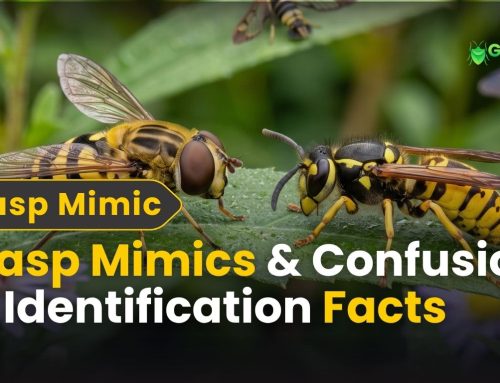
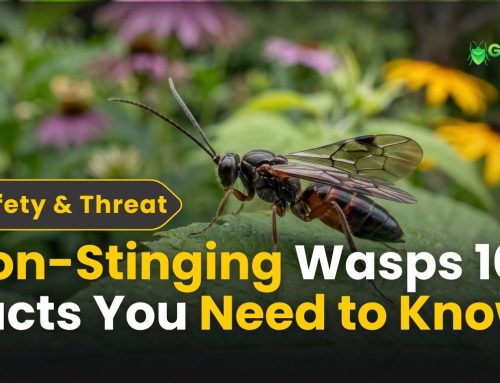
“Wasp” is the broad umbrella term. All yellow jackets and all hornets are wasps, but not all wasps are yellow jackets or hornets. Paper wasps, mud daubers, and cicada killers are all wasps, but they behave very differently.
Yellow Jackets are a specific type of wasp known for their compact bodies, bright yellow and black markings, and their habit of scavenging for human food. They typically build their nests underground or inside wall cavities, hiding their massive colonies from plain sight.
Hornets are generally larger than yellow jackets. In Connecticut, the most common is the bald-faced hornet (which is actually a type of yellow jacket, but we’ll get to that) and the European hornet. Hornets build large, aerial paper nests hanging from tree branches or building eaves.
If you want to explore the broader differences, our comprehensive guide on hornets vs yellow jackets vs wasps breaks down the biology, behavior, and threats of each.
The Yellow Jacket vs European Hornet Showdown
When comparing the yellow jacket vs european hornet, the differences are striking. European hornets are much larger—up to 1.5 inches long—and have a brown and orange-yellow body with a reddish-brown thorax. Yellow jackets are significantly smaller (around ½ to ¾ inch) with vivid, neon-like yellow and black stripes.
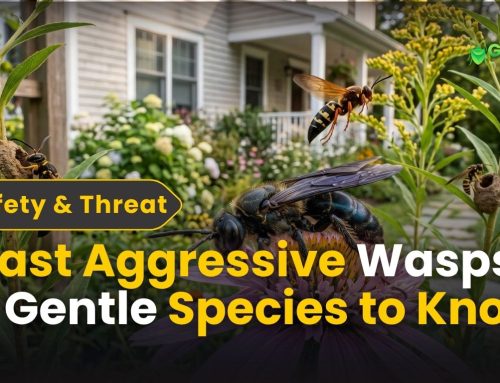
European hornets are generally less aggressive toward humans unless their nest is directly threatened. Yellow jackets, on the other hand, will aggressively defend their foraging territory—which, in late summer, is often your picnic table or garbage can.
For more details on how they stack up against each other, check out our complete wasp vs hornet comparison hub.
Wasps, Hornets, Yellow Jackets, and Bees: Telling Them Apart
It’s easy to panic when you see a flying insect with stripes buzzing around your head. But identifying the creature is the very first step to resolving the issue safely.
When looking at wasps hornets yellow jackets bees, the easiest way to tell them apart is by their body texture, shape, and behavior:
- Bees: Fuzzy, hairy bodies. Rounded, robust shape. They are docile, focused on flowers, and can only sting once.
- Yellow Jackets: Smooth, hairless, highly aerodynamic bodies. Compact and aggressive. They crawl on your food and drinks.
- Paper Wasps: Slender bodies with a dramatically pinched waist. Long legs dangle below them during flight. Moderately aggressive, usually only defensive near their open-comb nest.
- Hornets: Large, robust bodies. Highly aggressive near their nests, but generally uninterested in your food.
If the insect is fuzzy, leave it alone—it’s a pollinator. If it’s smooth, shiny, and aggressively trying to steal your hamburger, it’s a yellow jacket. For a deeper look at identifying these insects, read our bee vs wasp identification guide.
Book a professional inspection if you’re unsure which insect is buzzing around your home. Misidentification can lead to dangerous DIY removal attempts that end in disaster.
The Anatomy of a Yellow Jacket: Built for the Hunt
To truly appreciate the threat yellow jackets pose, it helps to understand their physical design. Every part of their body is optimized for hunting, foraging, and defending the colony.
The Head
A yellow jacket’s head features two large compound eyes that give them excellent vision and the ability to detect movement from significant distances. They also have three simple eyes (ocelli) on top of their head to detect light intensity. Their antennae are segmented, acting as highly sensitive sensory organs used to detect chemicals, pheromones, and food sources. Their strong mandibles (jaws) are used for chewing wood fibers to build nests, capturing prey, and macerating food.
The Thorax
The thorax is the engine of the insect. It holds the powerful flight muscles and the six legs. Yellow jackets are incredibly fast and agile flyers, capable of hovering, diving, and rapidly changing direction to pursue prey—or a fleeing human.
The Abdomen
The abdomen contains the digestive system, reproductive organs, and most importantly, the stinger. Female yellow jackets possess a smooth, retractable stinger connected to a venom sac. Because the stinger is smooth, it does not get caught in the skin, allowing them to pull out and sting repeatedly.
To learn more about the fascinating biology of these insects, check out our guide on the body parts of a wasp.
Inside the Colony: The Yellow Jacket Social Structure
A yellow jacket is never truly alone. Every single worker you see flying around your Westport backyard is part of a massive, highly organized colony.
Understanding this social structure is a crucial part of our Yellow Jacket Deep Dive. A typical yellow jacket colony can contain anywhere from 1,000 to 5,000 individuals by late summer. They operate under a strict caste system, with every insect knowing its exact role:
The Queen
The queen is the matriarch and the founder of the entire colony. She is the only member of the colony to survive the winter. Once she emerges in the spring, she finds a suitable location—often an abandoned rodent burrow, a rotting log, or a void in your home’s wall—and begins building a small paper nest. She lays the first batch of eggs and cares for the first generation of workers all by herself.
The Workers
Once the first workers emerge, the queen never leaves the nest again. Her sole job is laying eggs. The workers take over every other duty: expanding the nest, foraging for food, feeding the larvae, cooling the nest, and defending the colony. These are the insects you see buzzing around your yard. All workers are sterile females.
The Males (Drones)
In late summer, the queen begins laying unfertilized eggs, which develop into males called drones. Their only purpose is to mate with new queens. They do not forage, they do not defend the nest, and they cannot sting. Once they mate, they die shortly after.
The New Queens
In the fall, new queens are produced. They mate with the drones, leave the colony, and seek a sheltered spot to survive the winter, starting the entire cycle all over again next spring.
If you want to know how to stop this relentless cycle, our wasp and hornet ID guide for Connecticut offers actionable steps to prevent colony establishment.
The Queen’s Journey: Hibernation and Colony Formation
The survival of the entire species rests on the queen’s ability to endure the harsh Connecticut winter.
The Hibernation Phase
As temperatures drop in Wilton and New Canaan, the old colony dies off, including the old queen. The newly mated queens seek out protected locations for hibernation. They look for rotting logs, under tree bark, behind house siding, in attics, or even in thick brush. They enter a state of diapause—a form of deep hibernation where their metabolism slows to a crawl, allowing them to survive the freezing months.
Unfortunately, if a queen chooses your home to hibernate, she might wake up inside your living space during a warm spell in January or February. If you see a large, sluggish yellow jacket indoors in the dead of winter, it is almost certainly a confused queen who woke up too early.
The Spring Awakening
When spring arrives—usually around April in Connecticut—the queen emerges from hibernation. She is hungry, weak, and driven by pure instinct. She immediately begins searching for the perfect nest site.
Once she finds a spot, she chews wood fibers from fences, decks, or dead trees, mixing them with her saliva to create a small, papery comb. She lays her first eggs, which hatch into tiny, legless grubs. She hunts insects, chews them up, and feeds the larvae. In return, the larvae secrete a sugary substance that the queen drinks.
This beautiful, mutual relationship fuels the rapid growth of the colony.
Take action before it spreads: If you see a queen scouting around your eaves or yard in early spring, eliminating her right then prevents a colony of 5,000 from establishing later in the year.
Nest Architecture: Where Do Yellow Jackets Live?
Understanding where yellow jackets build their nests is critical to finding and eliminating them. Unlike paper wasps, which build open, umbrella-shaped combs, yellow jackets build massive, enclosed paper structures.
Underground Nests
The most common nesting site for Vespula species (ground-nesting yellow jackets) is underground. They frequently take over abandoned rodent burrows, using the existing tunnels as a foundation. The queen expands the cavity by carrying dirt out bit by bit. By mid-summer, the underground nest can be the size of a basketball or even a beach ball, housing thousands of insects.
The entrance hole is usually small—about the size of a quarter—but it is heavily guarded. Walking over a ground nest, or running a lawnmower over it, is one of the most common ways people trigger a massive attack.
Aerial Nests
Dolichovespula species (aerial yellow jackets, like the bald-faced hornet) build their nests above ground. They attach them to tree branches, shrubs, utility poles, and the eaves of houses. These nests are characteristically gray, papery, and pear-shaped.
Structural Nests (Wall Voids)
Perhaps the most dangerous nesting location is inside human structures. Yellow jackets will find tiny gaps in siding, cracks in foundations, or openings around windows. They build their nests inside the wall voids of your home.
The extreme danger here is that as the colony grows and the nest expands, the yellow jackets may chew through the drywall to make more room. If this happens, thousands of angry insects can suddenly pour into your living room or a child’s bedroom.
If you suspect a nest inside your walls, do not plug the entrance hole. They will simply find another way out—usually into your house. Call our hornet exterminator services ensuring safety and peace of mind immediately.
What Do Yellow Jackets Eat? (Their Surprising Diet)
A yellow jacket’s diet changes dramatically over the course of the season, which is exactly why they become such a nightmare for homeowners in late summer.
Spring and Early Summer: The Protein Phase
During the first half of the season, the colony is growing rapidly. The queen and workers need massive amounts of protein to feed the developing larvae. They become voracious hunters, preying on caterpillars, flies, spiders, grubs, and other pest insects.
In this phase, yellow jackets are actually incredibly beneficial to your garden. They act as a natural pest control service, decimating populations of insects that would otherwise destroy your plants.
Late Summer and Fall: The Sugar Phase
As the season shifts toward autumn, the colony’s population peaks. The larvae have mostly matured, and the workers no longer have a steady source of sugary secretions from the young. Suddenly, the workers are driven by an intense, desperate craving for carbohydrates—specifically, sugar.
This is when they become aggressive scavengers. They invade your backyard barbecues, crawl into your soda cans, swarm your trash cans, and devour fallen, rotting fruit from your trees. They are desperate, bold, and willing to sting repeatedly to get to your food.
Feeding the Young vs. Feeding Themselves
It’s important to note that adult yellow jackets do not actually eat the protein they hunt. They catch the insect, chew it up, and carry the meat back to the nest to feed the larvae. The adults survive almost entirely on liquid—nectar, tree sap, and the sugary secretions provided by the larvae. When the larvae stop producing those secretions in late summer, the adults panic and look for your lemonade.
If you’re dealing with this sugar craze right now, you need to get rid of yellow jackets fast today before someone gets severely stung.
The Yellow Jacket Lifespan: How Long Do They Live?
Understanding the lifespan of these insects helps you time your pest control efforts effectively and manage your expectations about when the problem will end.
Workers
The average worker yellow jacket lives for only 2 to 4 weeks. They work tirelessly during their short lives, foraging, building, and defending the nest. Because their lifespan is so short, the queen must continuously lay eggs—up to 50 a day—to maintain the colony’s numbers.
The Queen
The queen has a much longer lifespan. She can live for up to one year. She survives the winter in hibernation, founds the colony in the spring, and maintains relentless egg production until she dies in the late fall or early winter when the colony naturally collapses.
The Colony
An individual yellow jacket might not live long, but a colony can persist for an entire season—from April through November in Connecticut. However, if a colony builds its nest inside the heated walls of your Darien home, they may remain active well past the normal season. The warmth of your home can keep the queen alive and the colony thriving through the winter.
Don’t wait for them to die off. A colony that goes untreated will only produce more queens to infest your property next year. Book a professional inspection to handle the threat now.
Are Yellow Jackets Nocturnal? (Understanding Their Daily Activity)
Many homeowners assume that yellow jackets “go to sleep” at night and are completely safe to approach after dark. But are they truly nocturnal?
The short answer is no. Yellow jackets are primarily diurnal (active during the day). They rely heavily on sunlight and visual cues to navigate, hunt, and find food. At night, they retreat to their nest to care for the larvae, maintain the nest structure, and cluster together for warmth.
However, there is a catch that every Connecticut homeowner needs to know.
If a light source is nearby—like a porch light, a bright window, or a streetlamp—yellow jackets may remain active well into the night. They are highly attracted to light and can become disoriented, buzzing aggressively around the source. If your patio light is right next to a nest entrance, the workers will fly in and out all night long.
Furthermore, European hornets, which are increasingly common in our area, are known to be genuinely nocturnal and will hunt at night. If you are seeing large wasps at your porch light after dark, it is worth reading our guide on what color are wasps to figure out exactly what species you are dealing with.
Pro Tip: If you must inspect a yellow jacket nest, do it after dark. Most of the workers will be inside the nest, and they will be slower and less aggressive in the cool, dark air. But be warned—shining a flashlight directly at the nest will wake them up, and they will fly straight toward the beam.
Yellow Jacket Season: When Are They Most Active in Connecticut?
If you live in CT USA, yellow jacket season follows a very predictable, biological pattern. Knowing this timeline is a vital part of this Yellow Jacket Deep Dive.
Spring (April – May): The Foundation
Queens emerge from hibernation and establish small, golf-ball-sized nests. Activity is low, and you might only spot a single insect occasionally flying near the ground or under your eaves. This is the easiest time to stop a problem before it starts.
Early Summer (June – July): The Build-Up
The colony expands rapidly. Workers are busy hunting insects to feed the growing brood. You might notice increased activity around your garden, but they rarely bother humans at this point because their food source (other insects) is abundant.
Late Summer (August – September): The Danger Zone
This is peak yellow jacket season. Colonies can contain thousands of individuals, and their diet shifts from protein to sugar. They become highly aggressive, swarming trash cans, outdoor dining areas, hummingbird feeders, and fallen fruit. This is when 90% of stings occur in Greenwich, Stamford, and Westport.
Fall (October – November): The Collapse
The colony begins to collapse. The old queen dies, new queens leave to mate, and the workers die off as temperatures drop. You might see sluggish, dying yellow jackets crawling on the ground or found piles of dead insects near an old nest entrance.
Understanding this cycle allows you to time your prevention perfectly. Our guide on how to deter hornets from nesting in 2025 provides year-round strategies to keep your home safe.
The Real Danger: What Happens When Yellow Jackets Attack?
Yellow jackets aren’t just a nuisance; they are a genuine health hazard. They are responsible for the majority of insect stings in the United States, and their aggressive nature makes them particularly dangerous.
The Sting
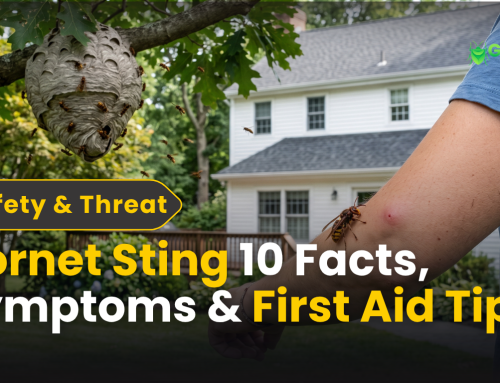
The immediate sensation of a yellow jacket sting is a sharp, burning, intense pain. Unlike a bee, which leaves its barbed stinger in your skin and dies, a yellow jacket pulls its smooth stinger out and can immediately sting again. A single yellow jacket can sting multiple times in rapid succession, injecting venom with every strike.
The Venom
Yellow jacket venom contains a complex mixture of proteins, enzymes, and amines. It contains mast cell degranulating peptides, which cause your cells to release histamine, leading to immediate swelling, redness, and intense itching. The venom also contains phospholipases and hyaluronidases, which break down tissue and allow the venom to spread deeper into your body.
Anaphylaxis
Approximately 1% to 3% of the population is severely allergic to yellow jacket venom. For these individuals, a single sting can trigger anaphylactic shock—a life-threatening allergic reaction that causes airway constriction, a sudden drop in blood pressure, and potential cardiac arrest.
Even if you are not allergic, being stung multiple times by a swarm can overwhelm the body’s immune system, leading to a toxic reaction that requires emergency medical care. Children, the elderly, and pets are especially vulnerable to mass stinging events.
If you or a family member is stung and experiences difficulty breathing, swelling of the face or throat, dizziness, or hives, seek emergency medical help immediately. For less severe stings, our treatment of hornet stings guide provides fast relief tips.
The Alarm Pheromone: Why One Sting Leads to Hundreds
One of the most terrifying aspects of a yellow jacket attack is how quickly a single insect can summon an entire army. This is due to a chemical signal called an alarm pheromone.
When a yellow jacket feels threatened, is crushed, or stings a target, it releases a volatile alarm pheromone from its venom sac and mandibular glands. This chemical acts as a battle cry. Any other yellow jackets in the immediate area detect the pheromone with their antennae and become instantly aggressive, swarming toward the source of the signal to defend their nestmate.
This is why swatting at a yellow jacket is the absolute worst thing you can do. If you crush it, you release a massive cloud of alarm pheromone, effectively painting a target on your back for every other yellow jacket in a 50-foot radius.
If one stings you, do not panic. Calmly walk away from the area with your mouth closed (they are drawn to the carbon dioxide in your breath) and go indoors immediately.
The Hidden Damage: How Yellow Jackets Destroy Your Property
While the health risks are the most immediate concern, yellow jackets can also cause significant property damage to your Greenwich or Westport home.
Structural Damage from Wall Nests
When yellow jackets build a nest inside your wall voids, they do not just quietly coexist with your home. They actively expand their nest by chewing on the materials around them. They will scrape away at drywall, insulation, and even wooden studs.
In severe infestations, thousands of yellow jackets working day and night can weaken drywall to the point where it crumbles. Homeowners have returned from vacation to find entire walls covered in yellow jackets because the colony chewed through the drywall and broke into the living space.
Contamination and Odor
A large yellow jacket nest produces a significant amount of waste, dead larvae, and decomposing insects. If this nest is inside your wall, it can produce a foul, rotting odor that permeates your home. This waste can also attract other pests, like carpet beetles and flies, creating a secondary infestation.
Landscape Damage
Underground yellow jacket nests can damage your lawn and landscaping. The excavation process kills grass, and the constant traffic of workers wearing down the entrance creates bare dirt patches. Furthermore, mowing over a hidden nest can destroy your lawnmower blades—not to mention trigger a life-threatening attack.
Don’t let a small infestation turn into a massive renovation bill. Take action before it spreads by getting professional help immediately.
Why DIY Yellow Jacket Removal Fails (And Puts Your Family at Risk)
When you discover a yellow jacket nest in your yard or inside your walls, your first instinct might be to grab a can of wasp spray, light a fire, or try a “natural home remedy.” This is a massive mistake.
Here is exactly why DIY yellow jacket removal is dangerous and almost always fails:
1. You Can’t Reach the Nest
If yellow jackets are nesting underground or inside a wall void, the actual nest might be 10 to 20 feet away from the entrance hole you see. Spraying the entrance only kills the few guards standing outside. The colony inside—numbering in the thousands—remains completely unharmed and continues to grow.
2. Aggressive Swarming
When you disturb a yellow jacket nest, they release the alarm pheromone we discussed earlier. You won’t be facing five or ten insects; you’ll be facing thousands. They will pursue you for hundreds of yards, stinging repeatedly. If you are on a ladder when this happens, the resulting fall can be more dangerous than the stings.
3. Property Damage from Wrong Products
If you spray store-bought chemicals into a wall void, the yellow jackets may panic and try to escape by chewing through the drywall even faster. You could suddenly find thousands of angry yellow jackets pouring into your living room or your child’s bedroom.
4. Fire Hazards
Some homeowners try to burn ground nests out using gasoline or lighter fluid. This is incredibly dangerous. It can start a grass fire, damage your property’s foundation, and the fumes are often more toxic than the insects themselves.
5. Wrong Timing
Most DIY attempts happen during the day when yellow jackets are most active and aggressive. Professionals treat nests at night or in the early morning when the colony is docile and fully inside the nest.
DIY solutions offer only temporary relief. The colony is never fully eliminated, and the problem comes back worse than before. Protect your family with fast-acting, long-term, professional-grade removal.
How Professionals Eliminate Yellow Jackets: The Right Way
When you call a professional, you aren’t just paying for someone to spray a can. You are investing in a scientific, methodical approach that guarantees the colony is destroyed and the threat is removed.
Step 1: Thorough Inspection
A trained technician will inspect your property to locate the exact entry point of the nest, identify the species, and assess the size of the colony. This is crucial for determining the right treatment method.
Step 2: Targeted Treatment
For ground nests, professionals use specialized dust or aerosol formulations injected directly into the nest cavity. The product is applied in a way that ensures it circulates through the entire nest structure, killing the queen, workers, and larvae simultaneously.
For wall void nests, professionals use non-repellent dusts. Repellent sprays (like store-bought cans) cause yellow jackets to scatter. Non-repellent dusts are undetectable to the insects; they walk right through it, carry it into the nest, and transfer it to the queen and larvae, wiping out the colony from the inside out.
Step 3: Safe Removal
Once the colony is eliminated, professionals will safely remove the nest if accessible. Removing an aerial nest or a wall nest prevents secondary pest infestations and eliminates foul odors.
Step 4: Exclusion and Prevention
The final step is sealing the entry points to prevent new queens from using the same location next year. This turns a temporary fix into a long-term solution.
If you want to learn more about the differences in removal methods, our guide on the difference between wasp and hornet nests is a great resource.
How to Protect Your Home from Yellow Jackets in 2026
Prevention is your best defense. As we move into 2026, taking proactive steps now can save you from a massive headache later in the season.
Your Yellow Jacket Prevention Checklist
Use this checklist to keep your Greenwich or Westport property safe:
- Seal Exterior Cracks: Inspect your home’s foundation, siding, and around windows. Seal any gaps or holes with caulk, expanding foam, or copper mesh.
- Secure Trash Cans: Yellow jackets love garbage. Use tight-fitting lids on all outdoor trash bins and rinse them out regularly to remove sugary residue.
- Clean Up Food Debris: Never leave food or sugary drinks unattended outdoors. Wipe down picnic tables and outdoor dining areas immediately after use.
- Manage Fruit Trees: Pick up fallen, rotting fruit from your yard immediately. The fermenting sugars are a massive attractant.
- Inspect for Early Nests: In April and May, walk your property and look for small, golf-ball-sized paper nests under eaves, in bushes, or along fences. Knock them down early before the colony grows.
- Use Decoy Nests: Yellow jackets are territorial. Hanging a decoy nest in early spring can deter new queens from building nearby.
- Check Window Screens: Ensure all window and door screens are intact and free of holes.
For more detailed prevention methods, check out our guide on how to find and identify different wasp species.
Yellow Jackets and Your Pets: A Hidden Danger
While we often focus on the danger yellow jackets pose to humans, they are equally dangerous to your family pets. Dogs and cats are naturally curious. A buzzing insect on the ground is an invitation to investigate, sniff, or snap at.
The Risk to Dogs
Dogs are especially at risk because they often try to eat yellow jackets or accidentally step on a ground nest while running in the yard. Multiple stings to a dog’s face, mouth, or throat can cause severe swelling that blocks their airway.
The Risk to Cats
Cats love to stalk and swat at flying insects. A yellow jacket sting on a cat’s paw or face can cause immense pain and localized swelling. In rare cases, cats can also be allergic to the venom.
What to Do If Your Pet is Stung
If your pet is stung, remain calm. Look for the sting site and try to remove the stinger if it was left behind (though yellow jackets rarely leave theirs). Apply a cold compress to the area to reduce swelling. Watch closely for signs of anaphylaxis: excessive drooling, difficulty breathing, vomiting, or sudden lethargy. If you see any of these signs, take your pet to an emergency veterinarian immediately.
To keep your pets safe, eliminate ground nests in your yard as soon as they are discovered. Book a professional inspection to ensure your yard is safe for your four-legged family members.
The Ecology of Yellow Jackets: Why We Still Need Them
Despite their fearsome reputation, yellow jackets play a crucial role in the ecosystem. A balanced Yellow Jacket Deep Dive must acknowledge their environmental benefits.
Natural Pest Controllers
During the spring and early summer, yellow jackets are one of nature’s most efficient pest controllers. A single colony can consume thousands of flies, caterpillars, aphids, and grubs every day. They are vital to maintaining the balance of insect populations in Connecticut’s forests, parks, and gardens.
Pollination
While they are not as effective as bees (because they lack the fuzzy hairs that trap pollen), yellow jackets do contribute to pollination. As they move from flower to flower sipping nectar, they inadvertently transfer pollen.
Food Source for Other Animals
Yellow jackets and their larvae are a food source for other wildlife. Bears, skunks, raccoons, and badgers will dig up ground nests to eat the protein-rich larvae and pupae. Birds, like tanagers and starlings, will snatch adult yellow jackets out of the air.
The goal of professional pest control is not to eradicate yellow jackets from the planet. It is to remove them from your immediate living space—where they pose a danger to your family—and allow them to fulfill their ecological role in the wild.
Customer Stories: Yellow Jacket Nightmares Resolved
The Underground Threat in Darien
“We were mowing the lawn when my husband accidentally ran over a hole in the yard. Within seconds, hundreds of yellow jackets swarmed him. He was stung over 15 times trying to run inside. We called Green Pest Management, and they discovered a massive underground colony right next to our children’s swing set. They eliminated the colony safely, and our kids can play outside again without fear.” — Sarah T., Darien, CT
The Wall Invasion in Stamford
“We kept hearing a faint buzzing sound inside our bedroom wall. I sprayed wasp killer into the gap outside, and the next day, yellow jackets chewed through the drywall and flooded our room. It was a nightmare. The professional team came out immediately, eliminated the colony inside the wall, and sealed the entry points permanently. I wish we had called them first.” — Mark J., Stamford, CT
The BBQ Ruiner in New Canaan
“Every single weekend in August, yellow jackets would swarm our deck. We couldn’t eat outside. A friend told me about this Yellow Jacket Deep Dive, and I realized we had a ground nest near our patio. I called the pros, they handled it in one visit, and we got our late-summer barbecues back.” — Lisa M., New Canaan, CT
Pro Tips for Yellow Jacket Safety
To wrap up this Yellow Jacket Deep Dive, here are expert recommendations to keep you, your family, and your pets safe this season:
- Never Swat at Them: Swatting releases alarm pheromones and triggers an attack. Remain calm and slowly walk away.
- Watch Your Drinks: Always check your soda can or cup before taking a sip. A yellow jacket inside your mouth or throat is a medical emergency.
- Wear Light Colors: Yellow jackets are attracted to dark, floral, and bright patterns. Wear light, solid colors (like khaki or white) when spending time outdoors.
- Avoid Scented Products: Strong perfumes, scented lotions, and sweet-smelling hair products attract yellow jackets, confusing them for flowers.
- Act Early: The best time to eliminate a yellow jacket problem is in the spring when the colony is small. Don’t wait until August.
- Keep Grass Short: Ground-nesting yellow jackets prefer tall grass, which hides their entrance holes. Keeping your lawn trimmed makes it easier to spot nest entrances.
- Don’t Leave Meat Out: If you’re grilling, keep raw meat covered until it goes on the grill, and clean up leftovers immediately.
To understand how these insects compare to other dangerous species, read our detailed breakdown on which is worse, hornets or wasps.
FAQ: Your Top Yellow Jacket Questions Answered
What is the difference between a yellow jacket and a wasp?
A yellow jacket is a specific type of wasp. All yellow jackets are wasps, but not all wasps are yellow jackets. Yellow jackets are known for their bright yellow and black coloring, compact bodies, underground or wall-void nesting habits, and aggressive scavenging for sugary foods in late summer.
Do yellow jackets die after they sting you?
No. Unlike honeybees, yellow jackets have smooth stingers. They can pull their stinger out of your skin and sting you multiple times in rapid succession without dying.
How deep can a yellow jacket nest be underground?
Underground yellow jacket nests can extend several feet below the surface. The entrance hole may be small, but the nest itself can be the size of a basketball or larger, housing thousands of insects in a multi-layered paper structure.
Can yellow jackets chew through walls?
Yes. Yellow jackets can chew through drywall, wood, and even certain types of insulation. If they are nesting inside your wall voids, they may break through into your living space if disturbed or if the colony grows too large for the cavity.
What should I do if I find a yellow jacket nest?
Do not approach it, do not try to remove it yourself, and do not plug the entrance hole. Walk away and contact a professional pest control service immediately. Plugging the hole forces them to find another way out, which is often directly into your home.
Are yellow jackets active at night?
Yellow jackets are primarily active during the day. However, if a light source is present, they may remain active at night. They are not truly nocturnal, but they will fly toward porch lights or windows after dark if disturbed.
How long does a yellow jacket colony last?
A typical yellow jacket colony lasts for one season, from spring to late fall. The queen dies in the winter, and the workers die off. However, new queens survive the winter to start new colonies the following spring. If a nest is in a heated wall, it may survive longer.
What is the difference between a yellow jacket and a bald-faced hornet?
A bald-faced hornet is actually a type of aerial yellow jacket (Dolichovespula maculata). However, instead of being yellow and black, it is black and white. They build large, paper aerial nests in trees and are extremely aggressive when defending their colony.
Take Back Your Yard Today
You’ve made it through the ultimate Yellow Jacket Deep Dive. You now know how a colony operates, what the queen does, how their diet shifts dramatically over the season, and why they become so dangerously aggressive in late summer. You also know exactly how dangerous their stings can be, the alarm pheromone that triggers mass attacks, and why DIY removal is a recipe for disaster.
But knowledge alone won’t protect your family. A yellow jacket colony grows by the thousands every single week. The longer you wait, the larger the colony becomes, and the higher the risk of a severe stinging incident on your property.
Whether you are dealing with a hidden ground nest in Greenwich, a destructive wall colony in Stamford, or aggressive foragers swarming your patio in Darien, we are here to help. Our fast-acting, long-term, and family-safe solutions will completely eliminate the colony and prevent them from returning.
Don’t wait until a guest gets stung. Don’t wait until they chew through your walls.
Get rid of yellow jackets fast today. Contact our expert team now and reclaim your outdoor space.