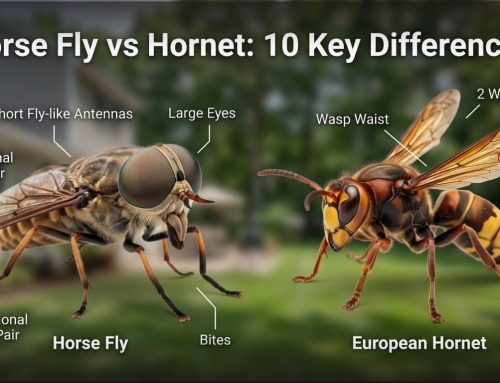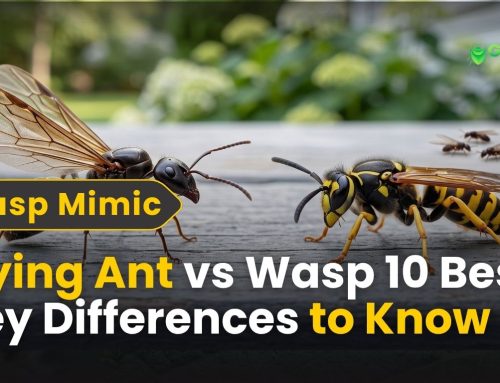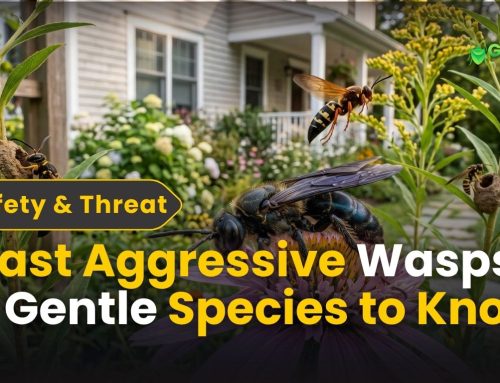
Hornets vs Yellow Jackets vs Wasps: Key Differences Explained
Introduction
You’re enjoying a peaceful afternoon on your back deck in Westport when you hear an angry buzzing sound. A large striped insect lands on your sandwich, and immediately, your family panics. Is it a hornet? A yellow jacket? A regular wasp? And more importantly—how dangerous is it?
The truth is, most people use these terms interchangeably, assuming all flying stinging insects are basically the same. They’re not. Understanding the critical differences between hornets vs yellow jackets vs wasps could literally save you from a dangerous situation. Some species are relatively docile, while others are aggressively territorial and will attack with minimal provocation.
This confusion creates real problems. People misidentify the insect, apply wrong prevention strategies, and end up either over-panicking or dangerously under-preparing for an actual threat. One misidentification could mean the difference between a minor inconvenience and a life-threatening swarm attack.
Let’s cut through the confusion. This comprehensive guide reveals exactly how to distinguish between these insects, which ones pose the greatest danger to your Connecticut home, and what to do if you encounter them.
The Fundamental Difference: Understanding the Basic Biology
Before examining specific species, let’s establish the biological hierarchy. Think of it like this: all hornets are wasps, but not all wasps are hornets. It’s similar to saying all squares are rectangles, but not all rectangles are squares.
Wasps: The Broad Category
Wasps is the umbrella term describing thousands of insect species belonging to the order Hymenoptera. This massive group includes:
- Solitary wasps (living independently)
- Social wasps (living in colonies)
- Hornets (a specific type of social wasp)
- Yellow jackets (another specific type of social wasp)
- Paper wasps
- Mud daubers
- Parasitic wasps
Key Wasp Characteristics:
- Slender bodies with pronounced thin waists
- Smooth, hairless exoskeletons
- Exceptional flying agility
- Predatory nature (hunt insects for food)
- Most species can sting multiple times
According to Wikipedia’s comprehensive wasp article, wasps evolved approximately 200 million years ago and played crucial roles in ecosystems long before humans existed.
Hornets: A Specialized Wasp Type
Hornets are the largest wasps and belong to the genus Vespa. They’re always social insects living in organized colonies, unlike many other wasps that live solitary lives.
Defining Hornet Characteristics:
- Always colonial (never solitary)
- Build large, enclosed paper nests
- Robust, thick bodies
- Distinctive light markings on dark bodies
- Extremely aggressive nest defense
- Larger than other wasp species
- Highly organized social structure
In Connecticut, you’ll primarily encounter two hornet species: bald-faced hornets (black with white markings) and European hornets (brown and orange). Despite their names, bald-faced hornets are actually a type of wasp, not a true hornet—but their behavior mirrors true hornet aggression.
Yellow Jackets: The Aggressive Scavengers
Yellow jackets (genus Vespula) are social wasps often mistaken for hornets but distinctly different in behavior and appearance.
Yellow Jacket Defining Features:
- Bold yellow and black striping
- Bright, fluorescent yellow coloring
- Attracted to human food and garbage
- Build nests underground, in cavities, or aerial structures
- Extremely aggressive, especially in fall
- Less defensive of nests than hornets
- More attracted to human activity
The key distinction? Yellow jackets are scavengers obsessed with human food. Hornets are predators focused on hunting insects for protein.
Hornets vs Yellow Jackets vs Wasps: Detailed Comparison Table
Understanding these differences could literally save your family from a dangerous encounter.
| Characteristic | Hornets | Yellow Jackets | Paper Wasps | Other Wasps |
| Size | ¾ – 1.5 inches | ½ – ¾ inches | ½ – ¾ inches | Varies widely |
| Color | Black + white/orange | Bright yellow + black | Brown/red + yellow | Multiple colors |
| Body Shape | Robust, thick | Stocky, compact | Slender, thin waist | Varies by species |
| Nesting | Large enclosed aerial | Underground/cavity | Open comb aerial | Solitary/varied |
| Aggression | Extremely high | Extremely high | Moderate | Generally low |
| Colonial | Always | Always | Always | Most solitary |
| Diet Focus | Insect predators | Scavengers + predators | Insect predators | Varies |
| Provocation Threshold | Very low | Very low | Moderate | High |
| Likelihood Attack | Very high if near nest | High if food threatened | Moderate | Low |
| Danger to Humans | Severe | Severe | Moderate | Minimal |
This comparison reveals why hornets vs yellow jackets vs wasps discussions matter—their threat levels vary dramatically.
Hornets: The Most Aggressive Threat
Hornets represent the greatest danger among stinging insects in Connecticut. Understanding what makes them so dangerous helps you recognize and avoid them.
Physical Identification
What do hornets look like? The most common Connecticut species is the bald-faced hornet (despite its name, actually a wasp, not a true hornet).
Bald-Faced Hornet Appearance:
- Large, ¾-inch to 1-inch body
- Jet black with distinctive white facial markings
- White stripes on abdomen
- Robust, heavily built frame
- Wings appear dark and substantial
European Hornets (increasingly common):
- Slightly larger than bald-faced hornets
- Brown body with orange-yellow markings
- Golden or amber-colored wings
- Heavy, powerful appearance
For comprehensive hornet identification guidance, review our what does a hornet look like guide.
Hornet Behavior & Aggression
Hornets operate fundamentally differently from yellow jackets and most wasps. Their behavior patterns should inform your response strategy.
The Hornet Aggression Profile:
Territorial Defense: Hornets defend nests from considerable distance—50+ feet away. If you venture near their nest, they perceive you as a threat regardless of your intentions.
Organized Attacks: Unlike solitary wasps, hornet colonies mount coordinated assaults. Multiple hornets attack simultaneously, amplifying danger exponentially.
Persistent Pursuit: Hornets chase threats well away from nests. They’ll follow you across your yard and pursue you inside, continuing attacks indoors.
Unprovoked Aggression: You don’t need to directly threaten the nest. Simply being in the area triggers defensive responses.
Venom Potency: Hornet venom is more potent than yellow jacket venom. A single sting causes significant pain and swelling. Multiple stings can trigger anaphylactic shock even in people without documented allergies.
Pro Safety Tip: If you spot a large, enclosed gray papery nest in a tree or building eave, immediately increase distance and avoid the area entirely. Don’t attempt removal yourself. Our hornet exterminator services in Greenwich and surrounding Connecticut communities provide safe, professional elimination.
Yellow Jackets: The Aggressive Scavengers
Yellow jackets deserve their fearsome reputation—they’re arguably more problematic than hornets for residential properties because of their obsession with human food and refuse.
Yellow Jacket Deep Dive: Everything You Need to Know
Yellow Jacket Identification
These insects are unmistakable once you know what to look for:
Visual Characteristics:
- Bright, almost fluorescent yellow coloring
- Bold black stripes in geometric patterns
- ½ to ¾ inches long
- Stocky, robust body build
- Shiny, hairless exoskeleton
- Wings held flat against body
Color Variation Note: The yellow appears almost glowing in sunlight—distinctly brighter than paper wasps’ earthy tones or hornets’ black and white contrast.
Nesting Behavior
Unlike hornets that build visible aerial nests, yellow jackets hide their homes strategically:
Underground Nests: The most dangerous location. A single hole in the ground may indicate a colony of 500-5,000 yellow jackets below. Accidental disturbance during yard work triggers massive swarms.
Wall Cavities: Inside building walls, attics, and crawl spaces where they build papery nests in protected darkness.
Vehicle Access: Yellow jackets establish nests in engine compartments, door panels, and wheel wells—creating dangerous situations when you innocently open your car.
Aerial Nests: Less common than ground nests but occasionally built on tree branches or building overhangs.
The Yellow Jacket Behavior Problem
What separates yellow jackets from other stinging insects is their obsession with human food and their aggressive protection of it.
July-September Aggression Peak: As natural insect populations decline in late summer, yellow jackets become increasingly desperate for protein and sugar. They target outdoor meals, garbage cans, and abandoned food with intense aggression.
Scavenger Mentality: Unlike hornets that hunt insects or paper wasps that focus on caterpillars, yellow jackets are generalists. They consume:
- Meat (any form)
- Sugary beverages
- Fruit and desserts
- Garbage and refuse
- Protein from dead animals
Food Protection Aggression: Yellow jackets don’t just want your lunch—they’ll fight anything nearby to keep it. Swatting at a yellow jacket near your food signals aggression to others, triggering a coordinated attack.
Provocation Threshold: Yellow jackets attack with minimal provocation. Unlike paper wasps (moderate defense) or hornets (extreme defense), yellow jackets operate somewhere between, making them extraordinarily dangerous at picnics, outdoor dining, and garbage areas.
For the complete deep dive, explore our dedicated yellow jacket deep dive guide.
Yellow Jackets vs Other Species: Specific Comparisons
Understanding how yellow jackets differ from other stinging insects helps you identify threats accurately.
Yellow Jackets vs Hornets: The Critical Differences
Appearance:
- Yellow jackets: Bright yellow + black
- Hornets: Black + white OR brown + orange (not bright yellow)
Nesting:
- Yellow jackets: Underground, cavities, enclosed structures
- Hornets: Large visible aerial nests
Food Focus:
- Yellow jackets: Obsessed with human food and garbage
- Hornets: Predatory—hunting insects for protein
Aggression Trigger:
- Yellow jackets: Attracted by food; aggressive near meals
- Hornets: Territorial near nests only; ignore humans away from nests
Behavior Around Humans:
- Yellow jackets: Fearless, repeatedly approach food
- Hornets: Avoid humans except when defending nests
Swarm Tendency:
- Yellow jackets: Swarm individual threats aggressively
- Hornets: Coordinate more organized, precise attacks
For a complete breakdown, read our hornets vs yellow jackets comparison hub.
Yellow Jackets vs Paper Wasps
Paper wasps often get mistaken for yellow jackets, but they’re significantly less aggressive.
Paper Wasp Characteristics:
- Reddish-brown or dark brown bodies
- Yellow markings less vivid than yellow jackets
- Umbrella-shaped, open-comb nests visible under eaves
- Slender bodies with pronounced thin waists
- Only sting when directly threatening nests
- Generally docile away from nesting areas
Why Yellow Jackets Seem More Dangerous:
Paper wasps mind their business near their nests. Yellow jackets actively seek you out at picnics, restaurants, and garbage areas. This fundamental behavioral difference makes yellow jackets the most problematic for residential homeowners.
Understanding Hornet and Yellow Jacket Nesting: Why Location Matters
The nesting choices of hornets and yellow jackets directly influence your danger level.
Hornet Nest Characteristics
Bald-Faced Hornet Nests:
- Large, gray, football or basketball-shaped structures
- 1-3+ feet in diameter
- Completely enclosed except for small entrance holes
- Built 40+ feet high in tree branches (often inaccessible)
- Sometimes constructed on building overhangs
- Often visible from ground level
European Hornet Nests:
- Similar gray, papery appearance
- Slightly more oval than football-shaped
- Built in tree cavities or building voids
- More likely to nest within structures than bald-faced hornets
The Visibility Problem: You can see hornet nests, but this creates false security. People assume distance equals safety—then approach for photos, only to trigger massive attacks. Visible nests are extremely dangerous precisely because they’re easy to accidentally approach.
Yellow Jacket Nest Characteristics
Underground Nests (Most Common):
- Small entrance hole, often with mound of excavated soil
- Extensive underground chambers
- 500-5,000 individuals per colony
- Located anywhere from your yard’s center to wall foundations
The Danger: You won’t see the nest, making accidental disturbance likely. A single shovel strike while gardening can trigger a swarm attack.
Cavity Nests:
- Inside wall voids between studs
- Attic spaces
- Vehicle engine compartments
- Hollow trees near your property
Why Cavity Nests Are Problematic: They’re completely hidden until they become impossible to ignore. You might first discover a cavity nest when you hear buzzing inside walls or see yellow jackets emerging from your car engine.
Stings and Health Risks: What You Need to Know
The venom composition and sting frequency make hornets and yellow jackets genuinely dangerous.
Hornet Sting Effects
Immediate Reaction:
- Severe pain (described as “white-hot poker” by sting victims)
- Large localized swelling (can extend several inches)
- Redness and inflammation
- Itch lasting hours or days
Allergic Reactions:
People without documented wasp allergies can experience serious reactions, including:
- Facial swelling extending to airways
- Anaphylaxis (life-threatening)
- Severe systemic reactions requiring emergency care
Multiple Stings:
Hornet swarms deliver 5-10+ stings per person. Accumulated venom from multiple stings increases danger exponentially. Victims have died from hornet swarms.
Yellow Jacket Sting Effects
Yellow jacket venom is similarly potent, with additional risk from their aggressive swarming behavior.
Why Yellow Jackets Are More Dangerous Than Hornets:
- They attack with less provocation
- Multiple yellow jackets sting simultaneously
- They’re attracted to human environments (picnics, garbage)
- Victims can’t avoid them simply by leaving the area
- They pursue people indoors
Wasp Sting Vs. Hornet Sting: The Comparison
Most paper wasps sting only when directly threatened. When they do sting, the pain is moderate and swelling limited.
Hornets and yellow jackets sting readily with minimal provocation, deliver more potent venom, and often sting multiple times.
This behavioral difference makes hornets vs yellow jackets vs wasps a critical distinction for safety planning.
For detailed sting response information, read our hornet sting vs wasp sting differences guide.
Complete Hornet and Yellow Jacket Identification Guide
Accurate identification determines your response strategy. This visual guide helps you distinguish all three species accurately.
Side-by-Side Identification
Hornets (Bald-Faced):
- Black body with white face and stripes
- Large (¾-1 inch)
- Robust, thick build
- Visible enclosed gray nest nearby usually
Yellow Jackets:
- Bright yellow with bold black stripes
- Medium (½-¾ inch)
- Stocky appearance
- Hanging around food sources or garbage
Paper Wasps:
- Brown/reddish with yellow markings
- Medium (½-¾ inch)
- Slender with visible thin waist
- Umbrella-shaped open nest under eaves
Critical Field ID Tip: If you see bright, almost glowing yellow coloring, it’s definitely a yellow jacket. Hornets never have that vivid yellow tone.
For comprehensive visual identification, explore our wasp and hornet ID encyclopedia and identification guide.
What Makes Hornets More Aggressive Than Wasps
Scientific research reveals fascinating behavioral differences that explain hornet aggression patterns.
The Hornet Advantage
Hornets evolved as apex predators. Their aggressive, organized defense reflects evolutionary success. Large nests with hundreds of individuals require sophisticated coordination, and they’ve developed:
Alarm Pheromones: When threatened, hornets release chemical signals recruiting nearby colony members to attack. A single defender can trigger 50+ hornet swarms within seconds.
Superior Navigation: Hornets find and pursue threats beyond visual range using pheromone trails and colony communication.
Weapon Optimization: Large body size allows hornet venom glands to produce more venom per sting—making each injection more potent than yellow jacket or wasp stings.
Coordinated Attacks: Rather than individual defensive responses, hornets mount organized assaults with multiple individuals attacking the same target simultaneously.
Superior Organization: Hornet colonies exhibit complex caste systems, decision-making processes, and resource allocation unknown in yellow jacket colonies.
This is why are hornets more aggressive than wasps—the answer is definitively yes. Hornets represent the peak of wasp aggression evolution.
Safe Response Strategies for Each Species
Your action plan differs dramatically depending on which insect you’ve encountered.
If You Spot a Hornet
Immediate Actions:
- Back away slowly without sudden movements
- Retreat indoors if near your home
- Avoid the area completely for 24-48 hours
- Mark the location mentally (don’t go back to it)
- Document the nest location from safe distance (photos help professionals)
- Call for professional removal immediately
Critical Don’ts:
- Don’t swat or spray the hornet
- Don’t approach the nest for photos
- Don’t assume you can remove it yourself
- Don’t wait hoping it will leave
- Don’t let children near the area
If You Spot a Yellow Jacket
Immediate Actions:
- Move away from food sources calmly
- Go indoors if one has landed on you
- Avoid swatting—aggressive response triggers swarm
- Close doors and windows to keep others out
- Don’t return to that location until evening (yellow jackets are inactive at night)
Prevention for Yellow Jacket Season (July-September):
- Cover trash cans immediately after use
- Don’t leave food or drinks unattended
- Clean grill after each use
- Remove fallen fruit from yards
- Seal gaps where they might nest
If You Spot a Paper Wasp
Calm Response:
- Leave the area immediately if near the nest
- Observe from distance—they’re generally docile
- Document location for future avoidance
- Leave them be unless nest is in high-traffic human area
- Call professionals only if nest position poses real danger
Paper wasps actually eat garden pests like caterpillars and flies. Unless the nest creates genuine danger, you might consider coexisting with them.
When DIY Methods Fail: The Professional Advantage
Many Connecticut homeowners attempt DIY elimination before recognizing when professional help becomes necessary.
Why DIY Approaches Often Fail
Wrong Identification
You set yellow jacket traps but have hornets. Wrong strategy, zero results.
Incomplete Information
You might kill 80% of the colony, but the remaining queen and survivors re-establish quickly.
Inadequate Safety
Attempting hornet removal without protective equipment and expertise risks serious injury. Hornets have sent people to emergency rooms—it can happen to you.
Persistence Without Progress
Many homeowners waste weeks trying methods that simply won’t work rather than escalating to professional solutions.
Inadequate Exclusion
Killing mice in your attic but leaving entry points open means new mice arrive within days.
The Professional Edge
Our team serving Greenwich, Stamford, Darien, and surrounding Connecticut areas brings:
- Accurate Species Identification—we don’t guess
- Immediate Threat Assessment—we evaluate actual danger level
- Appropriate Method Selection—matching the solution to the specific problem
- Complete Elimination—addressing entire colonies, not just visible insects
- Permanent Prevention—sealing entry points to prevent recurrence
- Safe Removal—protecting your family and pets
- Guaranteed Results—follow-up service if problems persist
Professional hornet exterminator services aren’t about spending extra money—they’re about getting results fast, safely, and with certainty.
Hornet and Yellow Jacket Prevention: Stop Problems Before They Start
The best approach to mouse traps, hornet nests, and yellow jacket colonies is preventing them altogether.
Preventive Measures
Seal All Entry Points
Take comprehensive DIY rodent exclusion approaches to prevent mice (which attract snakes and predatory wasps):
- Caulk gaps around windows and doors
- Install door sweeps
- Seal utility penetrations
- Repair damaged screens
- Install chimney caps
Eliminate Food and Water
- Store food in sealed containers
- Clean up spills immediately
- Fix leaky pipes and faucets
- Don’t leave pet food outside
- Secure garbage in sealed bins
Remove Nesting Habitat
- Keep vegetation trimmed back from house
- Store firewood away from home
- Remove dead trees and branches
- Clear gutters of leaves
- Declutter attics and basements
Use Deterrents Strategically
- Hang decoy nests (hornets are territorial and may avoid areas with existing nests)
- Use peppermint oil in entry areas
- Consider ultrasonic devices (limited effectiveness, but no harm)
Complete Decision Matrix: Which Trap for Which Situation?
Not all mouse traps work equally well in every location. Use this matrix to select the ideal trap for your specific situation.
Attic Mouse Problems
Best Choice: Snap traps or electronic traps
Why: Attics are accessible, temperature controlled, and you’ll find corpses. Electronic traps eliminate odor disposal concerns.
Trap Quantity: 12-15 for average attic
Check Frequency: Daily (heat accelerates decomposition)
Wall Mice (Inaccessible)
Best Choice: Live-catch traps at access points + professional help
Why: You can’t place traps inside sealed walls. Live traps at exits work; professional removal finds hidden nests.
Trap Quantity: 2-3 per identified access point
Key Insight: Walls typically require professional intervention. Read our mice in walls detection guide.
Garage Mouse Activity
Best Choice: Snap traps or multi-catch traps
Why: Garages are accessible, temperature-controlled, and appearance matters less.
Trap Quantity: 8-12 around perimeter
Check Frequency: Every 12 hours
Car Mice (Engine Compartment)
Best Choice: Snap traps only
Why: Remove traps before driving. Live traps release trapped mice inside vehicles creating new problems.
Trap Quantity: 2-3 in engine bay, 1-2 under seats
Critical: Check and remove traps before starting engine
Kitchen and Living Spaces
Best Choice: Electronic traps
Why: No-touch disposal, no corpse handling, maintains dignity and cleanliness
Trap Quantity: 6-8 distributed throughout
Check Frequency: Daily
Addressing the Unpleasant Topic: How to Get Rid of Dead Mice Smell
Even with perfect trapping, you’ll occasionally miss a carcass or struggle with a hidden death location. Here’s exactly what to do.
Locating Hidden Dead Mice
Use Your Senses:
Smell intensifies in specific zones. Sniff systematically through each room, narrowing the location.
Look for Flies:
Blow flies and flesh flies congregate near dead animals. Where you see them, the mouse is nearby.
Inspect Access Points:
Dead mice smell strongest directly above, below, or beside their location. If a wall section smells worst, the mouse is likely on that exact wall.
Drill Inspection Holes (Last Resort):
For wall cavities, drill small holes and use a borescope camera to look inside. Once you’ve confirmed the location, carefully extract the carcass with a wire hook.
Removing the Dead Mouse
Protective Protocol:
- Wear disposable gloves (two pairs)
- Wear an N95 mask
- Use tongs or a wire grabber (avoid direct hand contact)
- Have a sealed plastic bag ready
Careful Extraction:
- Use tools to gently pull the carcass out
- Avoid squeezing, which releases fluid
- Place immediately in sealed plastic bag
- Double-bag the sealed bag
- Dispose in outdoor trash
Eliminating the Lingering Smell
Even after removing the mouse, the odor persists because decomposition fluids have contaminated surfaces.
Neutralizing Techniques:
Enzymatic Cleaners:
Products like Nature’s Miracle or similar enzyme-based cleaners break down organic compounds causing odor.
- Spray affected areas thoroughly
- Allow 24-48 hours for enzyme action
- Repeat if necessary
Baking Soda:
The odor-absorption champion, baking soda works through chemical neutralization:
- Spread generously in affected areas
- Leave for 24-48 hours
- Vacuum or sweep away
- Repeat weekly until smell completely disappears
Activated Charcoal:
Place activated charcoal in mesh bags throughout affected rooms. Replace weekly.
White Vinegar:
Spray full-strength white vinegar on affected surfaces. Vinegar’s acidity neutralizes alkaline decomposition odors. The vinegar smell fades within 24 hours.
Coffee Grounds:
Fresh, used coffee grounds absorb odors while producing pleasant aroma. Change daily.
Ventilation Strategy:
- Open windows and doors during warm days
- Use fans to force stale air outside
- Create cross-ventilation patterns
- Consider temporary ozone treatment for severe cases (evacuate home first)
For comprehensive dead mouse odor solutions, explore our detailed guide on how to get rid of dead mice smell.
Comparing Trap Types: The Honest Assessment
Let’s cut through marketing claims and examine each mouse trap type’s real-world performance.
| Trap Type | Effectiveness | Humaneness | Cost | Best For | Drawbacks |
| Snap Traps | Excellent (95%) | Good (instant death) | Very cheap | Any location, high-traffic areas | Requires corpse handling |
| Electronic | Excellent (92%) | Excellent | Moderate | Living spaces, kitchens | Battery dependent |
| Live-Catch | Good (75%) | Excellent | Low | Humane relocation | Labor-intensive, survival low |
| CO2 Traps | Excellent (98%) | Good | High | Attics, basements | Expensive, refills needed |
| Glue Traps | Fair (70%) | Poor (inhumane) | Cheap | Not recommended | Unnecessary suffering |
| Multi-Catch | Excellent (90%) | Fair | Moderate | Severe infestations | Multiple handling events |
The Winner for Most Homeowners: Snap traps win on effectiveness, affordability, and practicality. Electronic traps win on convenience and no-touch appeal.
Pro Tips From Pest Control Professionals
After years of successfully eliminating mouse infestations throughout Darien, Greenwich, and Connecticut, our team has learned what genuinely works.
Tip 1: Bait Matters More Than Trap Type
Most homeowners choose wrong bait, rendering even excellent traps ineffective.
Stop using cheese. Mice aren’t attracted to it—this myth survives solely through pop culture. Instead:
- Peanut butter (sticky, aromatic, forces commitment)
- Chocolate-hazelnut spread (irresistible sweet smell)
- Nesting materials (cotton, dryer lint, soft fabric—exploits nesting instinct)
- Bacon (strong protein aroma)
Use pea-sized amounts on the trigger plate. Too much bait lets mice steal small amounts without fully committing to the trigger mechanism.
Tip 2: Placement Beats Quantity (But Use Both)
One perfectly placed trap outperforms five poorly positioned traps. Yet most homeowners use too few traps.
The Professional Formula:
Set one trap for every confirmed mouse you’ve seen, plus three extras. If you’ve spotted one mouse, deploy 4-5 traps minimum.
The Saturation Strategy:
Position traps so mice cannot navigate your home without encountering one. Space them 6-8 feet apart along walls, focusing on:
- Perimeter walls
- Under appliances
- Near food sources
- Along identified pathways
Tip 3: Check Traps Frequently (Morning and Evening)
Leaving traps overnight risks:
- Dead mice decomposing and odoring
- Flies finding corpses
- Surviving mice avoiding that trap location
- Reduced motivation to set more traps
Daily checking—twice daily during active infestations—is non-negotiable for success.
Tip 4: Use Different Trap Types Simultaneously
Mice develop trap wariness. Some individuals are naturally suspicious of snap traps but readily enter live-catch models. Deploy:
- 60% snap traps
- 25% electronic traps
- 15% live-catch traps
This diversity prevents smart mice from completely avoiding your traps.
Tip 5: Pre-Bait Before Setting
Leave unset traps with bait for 2-3 days before activation. Mice build confidence around the trap, treat it as safe, and trigger it readily once set.
Tip 6: Ignore Neophobia—It’s Temporary
Mice instinctively fear new objects (neophobia). New traps seem suspicious initially. Leave them alone for 3-5 days. Once mice realize traps aren’t dangerous, they’ll trigger them readily.
Tip 7: Document Everything
Keep a simple log:
- Trap locations
- Trap types
- Daily catch count
- Bait type and freshness
- Environmental conditions
This data reveals patterns. Maybe mice avoid kitchen traps but readily enter garage traps. Perhaps peanut butter works better than chocolate. Your documentation guides optimization.
How to Get Rid of Mice in Attic: Specialized Approach
Attics represent the most common severe mouse infestation location in Connecticut homes. This requires a dedicated strategy.
Why Attics Attract Mice
Attics provide everything mice crave:
- Insulation for nesting (natural bedding material)
- Protection from predators (roof and walls provide security)
- Access to entire home (attic = mouse highway to food sources)
- Temperature control (insulation maintains livable conditions)
- Minimal human disturbance (mice live undisturbed for weeks)
Step-by-Step Attic Mouse Elimination
Week 1: Extensive Trapping
Deploy traps before attempting any sealing:
- Set 12-15 traps minimum in average attics
- Position along perimeter walls
- Target insulation disturbances
- Place near entry points
- Check daily, remove corpses immediately
- Continue trapping until 5 consecutive days yield zero catches
Week 2: Exclusion Work
Only after confirming the population is eliminated, seal entry points:
- Inspect entire exterior perimeter
- Identify all gaps and cracks (mice need only ¼-inch openings)
- Use steel wool and caulk for permanent sealing
- Install proper vent covers
- Repair damaged soffit vents
Week 3: Restoration
- Replace contaminated insulation
- Disinfect affected areas with enzymatic cleaner
- Deodorize using baking soda or activated charcoal
- Monitor for signs of re-entry
For comprehensive attic-specific guidance, our step-by-step attic mice removal guide provides detailed procedures.
How to Get Rid of Mice in Walls: The Hidden Challenge
Mice inside walls represent your most frustrating scenario. You can’t reach them directly, yet their presence is undeniable.
Detecting Mice in Walls
Auditory Evidence:
Listen carefully at night when sounds amplify. Scratching, scurrying, and squeaking indicate mice traveling within walls.
Olfactory Evidence:
Strong smell concentrated in specific wall sections points to activity or death.
Visual Evidence:
- Droppings near baseboard gaps
- Gnaw marks on baseboards or trim
- Grease stains along wall edges where mice repeatedly rub fur
- Small holes at base of walls
Strategic Wall Mouse Trapping
Set Traps at Access Points:
Never assume mice are trapped in walls—they continuously exit and re-enter. Position live-catch traps at every identified opening:
- Gaps between baseboards and flooring
- Holes around pipes and utilities
- Openings where walls meet cabinets
- Space under doors
Create Exit Opportunities (Advanced Technique):
In extreme cases, carefully drill small holes (⅛-inch diameter) in inconspicuous locations (inside closets, behind furniture, under sinks). Insert small live-catch traps into these access points, allowing you to intercept mice within the wall cavity itself.
Use Acoustic Monitoring:
Place your ear against suspected wall sections at night. Narrowing the activity zone helps position traps more effectively.
Document Results:
Note which traps catch mice. This reveals primary pathways and guides additional trap placement.
For detailed wall mouse identification and removal strategies, explore our mice in walls detection and removal guide.
How to Get Rid of Mice in Garage: Practical Solutions
Garages present unique challenges—they’re semi-enclosed, connect to your main home, and often contain food stores and vehicle harborages.
Garage Mouse Control Strategy
Eliminate Food Attractions:
The most critical step—remove reasons mice entered:
- Store grass seed, birdseed, and pet food in sealed metal containers (not cardboard)
- Remove cardboard boxes completely (mice nest in them)
- Sweep away spilled seed or grain
- Secure garbage in sealed metal bins
- Don’t leave pet bowls out overnight
Deploy Comprehensive Trap Coverage:
- Place 8-12 snap traps around the garage perimeter
- Position under and behind stored items
- Set traps along walls near the garage door
- Place traps near vehicle tires (entry point to cars)
- Target dark corners where mice feel safe
Close the Door to Your Home:
- Install door sweeps on the garage-to-house door
- Maintain tight weatherstripping
- Caulk gaps around pipes and utilities entering the house
- Keep the door closed during trapping period
Vehicle-Specific Protection:
- Avoid parking over vegetation or open ground (mice climb)
- Park vehicles in cleared areas without ground clutter nearby
- Check wheel wells and engine compartment before driving
- Set snap traps in engine bay overnight, but remove before starting vehicle
For more garage-focused solutions, our 20-method mouse elimination guide includes specialized garage strategies.
How to Get Rid of Field Mice Permanently: Long-Term Success
Field mice arrive seasonally when outdoor temperatures drop, making permanent elimination possible through prevention rather than endless trapping.
Understanding Field Mouse Behavior
Field mice (deer mice and white-footed mice) are winter transients. They don’t establish permanent colonies in your Darien or New Canaan home—they’re simply seeking temporary shelter from freezing weather and scarce food.
Key Insight:
Permanent field mouse elimination doesn’t require endless trapping. It requires sealing your home before field mice arrive each fall.
Permanent Field Mouse Control: The Three-Phase Approach
Phase 1: Seasonal Awareness (August-October)
- Scout your property for field mouse entry points
- Note vegetation touching your home
- Identify foundation gaps and cracks
- Begin trapping before temperature drops
Phase 2: Aggressive Fall Trapping
- Deploy traps around your entire foundation perimeter
- Set them outside first, creating a defensive line
- Move indoor traps as outdoor populations enter
- Continue trapping for 1-2 weeks after last catch
- This captures invading mice before they establish
Phase 3: Permanent Exclusion
Once you’ve eliminated immediate populations, perform complete sealing:
- Caulk all foundation cracks
- Install chimney caps
- Seal vent openings with hardware cloth
- Replace damaged weatherstripping
- Trim vegetation away from foundation
- Remove woodpiles and ground clutter
Proper exclusion makes your home inhospitable to field mice. They’ll move to easier targets rather than battle sealed entry points. Year after year, you’ll remain mouse-free.
Our rodent-proofing services provide permanent field mouse solutions through professional exclusion work throughout Westport and surrounding Connecticut communities.
Humane Mouse Removal: Ethical Methods That Succeed
If you’re committed to no-kill approaches, these strategies deliver results while respecting animal welfare.
Live-Catch Trap Mastery
High-Success Live Trapping Protocol:
Pre-Bait Phase (Days 1-3):
Leave traps unset with open access doors and fresh peanut butter. Mice lose their fear of the trap and develop food association.
Activation Phase (Days 4-7):
Set traps and check twice daily. Remove caught mice immediately—leaving them trapped longer than necessary constitutes cruelty.
Relocation Phase (Immediate):
Transport captured mice at least 1 mile away to suitable habitat. Research shows that distance is minimum to prevent homing behavior.
Release Best Practices:
- Release during daylight when mice can establish themselves before nightfall
- Choose wooded areas with natural cover (bushes, fallen logs, thick vegetation)
- Avoid developed areas where relocation simply transfers your problem
- Release multiple mice together when possible—they survive better in groups
Natural Deterrents and Repellents
While deterrents alone won’t eliminate established infestations, they support trapping efforts and prevent new invasions.
Peppermint Oil (The Most Proven Natural Option)
Mice dislike peppermint’s strong smell. To use effectively:
- Soak cotton balls in pure peppermint essential oil
- Place in multiple locations (5-10 per room)
- Concentrate near walls and suspected entry points
- Replace every 4-5 days as scent fades
- Use alongside active trapping, not instead of it
Effectiveness Reality: Peppermint oil repels some mice but not all. Hungry mice will push through unpleasant odors to reach food. Never depend on peppermint oil as your only control method.
Ammonia-Soaked Rags
Mice dislike ammonia’s strong odor, which vaguely resembles predator urine (their warning signal).
Application:
- Soak rags thoroughly in ammonia
- Place in high-activity areas
- Replace every 2-3 days
- Never use in food preparation areas
Ultrasonic Deterrents
Electronic devices emit high-frequency sounds theoretically unbearable to mice.
Honest Assessment: Scientific evidence for ultrasonic devices is mixed. Some studies show modest deterrent effects; others show no effect at all. If you try them, combine with traps—never rely exclusively on sound deterrents.
Capsaicin-Based Products
Products containing hot pepper extract may deter some mice, but results vary wildly.
For complete information on natural approaches, explore our natural methods to remove mice guide.
Removing Attractions: The Foundation of Prevention
No deterrent works if your home remains attractive. You must:
Eliminate Food Sources
- Store all dry goods in glass or metal containers with tight lids
- Clean up crumbs and spills immediately
- Never leave pet food out overnight
- Secure garbage in sealed containers
- Remove bird feeders or move them far from your home
Control Moisture
- Fix all leaky pipes and faucets
- Ensure proper drainage around foundation
- Run dehumidifiers in damp basements
- Ventilate bathrooms and kitchens properly
Remove Shelter and Harborage
- Clear clutter from attics, basements, and storage areas
- Remove cardboard boxes (replace with plastic storage bins)
- Trim vegetation away from foundation (at least 2 feet)
- Remove or elevate woodpiles at least 20 feet away
- Fill gaps in trees that touch your roof
These prevention steps, combined with active trapping, create an environment where mice cannot thrive.
The Ultimate Problem: How to Get Rid of Dead Mice Smell
You’ve successfully trapped the mice. Now you face an unexpected challenge—that overwhelming, nauseating stench of decomposition.
Why Dead Mice Smell So Powerfully
As mice decompose, bacteria break down tissues, releasing volatile organic compounds (putrescine, cadaverine, hydrogen sulfide) that spread rapidly through air and absorb into porous materials.
The smell concentrates in:
- Insulation (absorbs decomposition fluids)
- Drywall (porous material traps odor molecules)
- Carpet and padding (textile fibers hold scent)
- HVAC ductwork (distributes smell throughout the home)
- Stored items and boxes
Complete Dead Mouse Odor Elimination Protocol
Immediate Actions (Within 24 Hours)
- Locate the dead mouse using the methods outlined earlier
- Put on full protective equipment (double gloves, N95 mask)
- Use tools, not hands (tongs, wire hook, or grabber tool)
- Place in sealed plastic bag immediately after removal
- Dispose in outdoor trash far from home
- Spray affected area with enzymatic cleaner or 10% bleach solution
Short-Term Odor Control (Days 1-7)
Baking Soda Treatment:
- Spread baking soda generously across affected area
- Leave for 48 hours to absorb odor molecules
- Vacuum or sweep away
- Repeat application if smell persists
White Vinegar Spray:
- Mix equal parts white vinegar and water
- Spray affected surfaces thoroughly
- Vinegar’s acidity neutralizes alkaline decay odors
- Scent fades within 24 hours (vinegar smell is temporary)
Activated Charcoal Placement:
- Fill open containers with activated charcoal
- Distribute throughout affected rooms
- Replace every 3-5 days
- Particularly effective in kitchens and bathrooms
- Medium-Term Solutions (Days 7-21)
Enzyme-Based Commercial Cleaners:
Products like Nature’s Miracle contain bacteria that consume organic compounds causing odor:
- Spray affected areas generously
- Allow 24-48 hours for bacterial action
- Repeat applications for persistent odors
- Cost-effective and widely available
Air Purification:
- Run HEPA filter units continuously
- Place units in affected rooms
- Maintain for 10-14 days
- Consider portable models if odor appears in multiple locations
Ventilation Intensity:
- Keep windows open during mild days
- Run ceiling fans on high
- Use box fans in windows to force stale air out
- Create cross-ventilation patterns
5. Long-Term Professional Remediation
If DIY methods fail after three weeks:
Professional Services Include:
- Advanced enzymatic treatments penetrating insulation and materials
- Hydroxyl generator therapy (eliminates molecular odor)
- Thermal fogging reaching every crevice
- Contaminated material identification and replacement
- Complete sanitation and disinfection
These professional interventions guarantee odor elimination even from the most severe cases.
For comprehensive guidance, read our detailed article on how to get rid of dead mice smell.
Trap Placement Secrets: Location Blueprint for Your Home
Where you place traps matters more than which type you choose. Here’s the professional placement map:
Kitchen Areas
Behind and Under Appliances:
- Refrigerator back corner
- Oven sides
- Microwave base
- Dishwasher side
Inside Cabinets:
- Under sink (primary water access point)
- Pantry bottom shelf
- Cabinet corners away from eyes
Trap Quantity: 6-8 minimum
Bathroom Areas
Under and Behind Bathroom Fixtures:
- Sink vanity interior
- Toilet tank back
- Shower enclosure base
Pipes and Penetrations:
Place traps where pipes enter walls, as mice use these as highways.
Trap Quantity: 2-4 per bathroom
Attic and Upper Levels
Strategic Placement:
- Roof junction corners (4 corners minimum)
- Along perimeter walls
- Near visible insulation disturbance
- By entry points (soffit vents, gaps)
Trap Quantity: 12-15 for average attics
Basement
Foundation Perimeter
- Along all basement walls (every 8 feet)
- In corners (dark spots mice prefer)
- Near visible cracks or gaps
Around Utilities
- Furnace area
- Water heater exterior
- Electrical panel surroundings
- Plumbing penetrations
Trap Quantity: 8-15 depending on basement size
Garage
Perimeter Coverage
- All walls, especially corners
- Behind stored items
- Near the garage-to-house door
- Near vehicle wheels
Trap Quantity: 8-12
Inside Your Car
Engine Compartment Traps (Snap Traps Only):
- Under hood, both sides
- Remove before driving
- Check every time before starting vehicle
Interior Placement:
- Under front seats
- Under rear seats
- Inside door panels (if accessible)
Trunk Area:
- Corners (if carpet padding present)
- Spare tire area
Trap Quantity: 4-6 total
The Timeline: How Long Until Your Mouse Problem Ends?
Realistic expectations prevent discouragement and premature abandonment of your control efforts.
Week 1: Initial Results
With proper trap saturation and bait, expect your first catches within 24-72 hours. This exciting phase shows your strategy is working.
Expected catch: 5-15 mice (reveals population size)
Week 2: Accelerated Elimination
The remaining population becomes increasingly desperate as competitors are removed. More traps trigger daily as surviving mice seek resources.
Expected catch: 10-20 mice
Key action: Reset traps immediately, replace bait daily
Week 3: Declining Activity
Catch rates drop significantly. You’re eliminating stragglers and latecomers. This is when many homeowners give up prematurely—resist that impulse!
Expected catch: 3-8 mice
Key action: Maintain trap lines; resist urge to remove any traps
Week 4+: Confirmation of Success
Once 5-7 days pass with zero catches, you’ve likely eliminated the population. However, maintain traps for another week to confirm. Any caught mouse resets your 5-day countdown.
Total Timeline: Severe infestations clear in 3-4 weeks with dedicated effort. Moderate problems resolve in 7-14 days.
Why DIY Mouse Trapping Often Fails (And When Professional Help Becomes Essential)
You’ve bought the traps, set them, and… nothing. You’re frustrated and ready to give up. Here’s what’s actually happening.
Mistake #1: Insufficient Trap Quantity
Most homeowners set 3-5 traps. Professionals set 20-50. The difference between “no catches” and “elimination” is often just more traps.
Mistake #2: Wrong Bait Selection
Cheese, crackers, and other foods don’t compete with actual food sources in your home. Peanut butter, chocolate, or nesting materials work infinitely better.
Mistake #3: Poor Placement
Traps positioned randomly catch nothing. Traps placed perpendicular to walls along actual mouse pathways catch everything.
Mistake #4: Infrequent Checking
Checked once per week? Caught mice decompose, discouraging others. Twice daily is the professional standard.
Mistake #5: Giving Up Too Soon
The second week often shows decline in catches, causing discouragement. Push through—consistency wins.
Mistake #6: Ignoring Wall and Attic Access
If you’ve only trapped in basements and kitchens, you’ve missed primary activity zones. Thorough trapping reaches every level and area of your home.
When to Call Professionals
After one week of consistent effort showing no catches, or after three weeks with minimal progress, contact professionals. We’ll:
- Assess your setup and identify problems
- Deploy additional traps strategically
- Use professional-grade bait and techniques
- Provide professional mice treatment solutions
- Guarantee results with follow-up services
Your time is valuable. Sometimes professional intervention saves time and frustration while delivering guaranteed success.
Humane Treatment Solutions: Integrated Approach
True humane mouse control combines multiple strategies working together.
The Complete Humane System
Active Phase (Weeks 1-4):
- Live-catch traps in all areas
- Twice-daily checking and immediate release
- Fresh bait daily
- Trap quantity sufficient for thorough coverage
Environmental Phase (Concurrent):
- Eliminate food sources completely
- Control moisture and water access
- Remove harborage and shelter
- Deploy peppermint oil deterrents
- Use ultrasonic devices as supplementary tools
Exclusion Phase (After elimination confirmed):
- Seal all entry points permanently
- Install one-way doors during transition
- Install vent covers and chimney caps
- Caulk foundation gaps
- Replace damaged weatherstripping
Maintenance Phase (Ongoing):
- Quarterly property inspections
- Annual exclusion verification
- Immediate response to new entry signs
- Sustained food and harborage management
This integrated approach—combining trapping, deterrence, exclusion, and prevention—delivers genuinely humane results. Mice simply cannot survive in an excluded, non-attractive environment, eliminating the need for ongoing trapping cycles.
Learn more about comprehensive mice and rodent control solutions that address every aspect of your mouse problem.
Complete Comparison: Humane vs. Lethal Mouse Control Methods
| Method | Humaneness | Speed | Effectiveness | Permanence | Effort Required |
| Live-Catch Traps | Excellent | Moderate (5-14 days) | Good (75%) | Temporary | High |
| Snap Traps | Good (instant death) | Fast (3-7 days) | Excellent (95%) | Temporary | Moderate |
| Humane Exclusion | Excellent (prevents conflict) | Slow (weeks) | Excellent (99%) | Permanent | Moderate |
| Peppermint Deterrents | Excellent (non-lethal) | Slow | Fair (50-60%) | Temporary | Low |
| Poison Baits | Poor (prolonged suffering) | Moderate | Moderate (70%) | Temporary | Low |
| Professional Combo | Excellent | Fast (7-14 days) | Excellent (99%) | Permanent | None (we do it) |
Clear Winner for True Humaneness: Professional exclusion work combined with initial live-catch trapping.
Pro Recommendations: What Actually Works in Real Connecticut Homes
After years working with homeowners throughout Darien, Greenwich, and surrounding communities, we’ve refined our humane approach to what genuinely succeeds.
The Green Pest Management Humane Protocol
Initial Assessment
- Identify mouse species and population size
- Locate all activity areas
- Note previous failed attempts
- Assess exclusion feasibility
Immediate Trapping Phase
- Deploy appropriate trap quantities
- Optimize bait selection
- Establish twice-daily monitoring schedule
- Provide clear communication about progress
Concurrent Exclusion Planning
- Identify all entry points requiring sealing
- Assess structural integrity
- Develop seal strategy minimizing home damage
- Schedule exclusion work for after population elimination
Follow-Through Execution
- Complete all exclusion work
- Verify every gap has been sealed
- Install permanent protective measures
- Establish monitoring schedule
Post-Elimination Verification
- Confirm zero mouse activity for extended period
- Perform final deep-cleaning
- Address any dead mouse odor issues
- Provide preventative recommendations
This systematic approach delivers the best of both humaneness and permanence.
FAQ: Your Mouse Trap Questions Answered
Can I reuse mouse traps?
Yes, absolutely. Clean traps between uses with disinfectant, and they’ll function for years. However, replace them if springs weaken or mechanisms become damaged. Live-catch traps remain effective indefinitely with proper maintenance.
What time of year do I need mouse traps most?
Mice invade primarily during fall and winter (September through March in Connecticut) as outdoor temperatures drop. However, infestations can occur any season. Year-round vigilance with active trap sets in vulnerable areas prevents surprises.
Do I need different trap sizes for different mouse species?
House mice and field mice are similar enough that the same trap sizes work for both. Standard mouse traps accommodate both species. Larger rat traps are needed only for actual rats—never use mouse traps for rats.
Is it legal to relocate mice in Connecticut?
Connecticut doesn’t explicitly prohibit mouse relocation, but many municipalities require wildlife relocation on public lands to be performed by licensed professionals. Always contact your local Connecticut Department of Energy and Environmental Protection for specific regulations in your area.
How do I humanely kill a mouse if relocation isn’t possible?
If you must euthanize a trapped mouse and cannot access professional help, freezing is considered the most humane home method—place the entire trap in a freezer for 10-15 minutes. The mouse becomes unconscious then dies painlessly. Never use methods causing prolonged suffering.
Are ultrasonic or electromagnetic mouse repellents worth trying?
They’re worth trying as supplementary measures, but don’t rely on them exclusively. Scientific evidence is mixed. If attempted, combine with active trapping and exclusion—never use as your only control method.
Should I hire a professional if I’ve already caught some mice?
Absolutely. If you’ve caught any mice at all, more are present in your home. Professionals assess whether DIY progress is realistic, determine if entry points are sealed, and identify issues you’ve missed. Professional assessment within the first week often accelerates total elimination time.
Your Humane Mouse-Free Future Starts Now
You came to this page frustrated, maybe a little panicked, knowing something was wrong in your home. You’ve now learned:
Exactly which best mouse traps work humanely
Professional placement strategies ensuring capture
Safe removal and release protocols
Natural deterrent methods to support active trapping
How to get rid of mice humanely while preventing re-infestation
When professional help accelerates success
The only question remaining is: Will you take action today?
Every 12 hours of delay allows remaining mice to:
- Reproduce (females produce litters every 21 days)
- Explore more of your home
- Cause additional damage
- Spread disease further
Humane mouse control requires commitment and consistency, but the results—a safe, healthy, mouse-free home—are absolutely achievable.
Your Action Plan:
Today:
- Identify your primary mouse activity area
- Order or purchase 10-15 live-catch traps
- Gather bait supplies
- Check your local weather for planning trap checks
This Weekend:
- Perform thorough inspection for entry points
- Deploy trap saturation
- Establish twice-daily checking schedule
- Begin exclusion material assembly
Next Week:
- Celebrate your first catches
- Adjust bait or placement based on results
- Begin sealing entry points
- Contact professionals if progress plateaus
Still Uncertain? Need Expert Guidance?
You don’t have to figure this out alone. Our humane-focused mice removal and control services combine your preferences with our expertise.
Whether you’re in Greenwich, Westport, or anywhere throughout Connecticut, we provide:
- Free property inspections
- Customized humane control plans
- Professional live-catch trapping
- Rapid exclusion services
- Guaranteed long-term results
Don’t spend another night listening to scratching sounds and worrying about mouse contamination.
Schedule your professional humane mouse removal consultation today. Most inspections are available within 24-48 hours, and many infestations clear completely within 7-14 days with professional intervention.
Your compassionate, effective, permanent mouse solution awaits. Take action now.
Conclusion: Humane Doesn’t Mean Ineffective
This is the most important truth about how to get rid of mice humanely: compassion and effectiveness aren’t opposing goals. They’re partners in the right solution.
The best mouse traps for humane removal work exceptionally well when deployed correctly. Live-catch traps, combined with aggressive exclusion and prevention, provide lasting results without ethical compromise.
You can eliminate mice from your Connecticut home while maintaining your values. You can sleep peacefully knowing your family is protected and no animals suffered in the process.
That’s not impossible idealism—that’s the standard we’ve achieved for hundreds of homeowners throughout Connecticut. It can be your reality too.
Start today. Set your traps. Check them consistently. Seal your entry points. Build your mouse-free future.
Your home—and your conscience—will thank you.