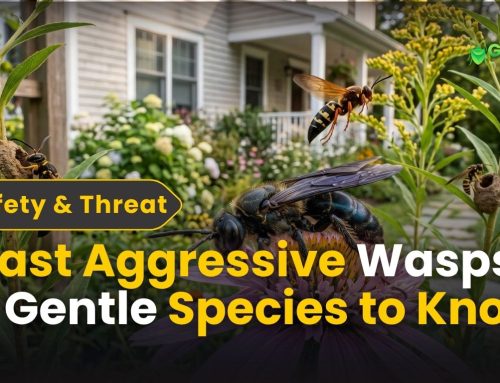
Body Parts of a Wasp: Simple Anatomy Explained with Diagram Guide
Introduction
You’re standing in your yard in Darien when you spot a wasp circling overhead. You freeze, watching it carefully. Suddenly, you find yourself studying it—noticing details you’ve never really paid attention to before. What are those long things extending from its back? Why does its middle look so thin? What exactly makes this insect different from bees or other flying insects?
The frustrating truth is, most people have never really examined the actual body parts of a wasp up close or understood how they function. We just know wasps are “bad” and to avoid them. But understanding wasp anatomy actually helps you identify different species, assess threat levels, and make informed decisions about your family’s safety.
Here’s what surprised most people: Understanding body parts of a wasp helps you distinguish harmless species from dangerous ones in seconds. You’ll recognize identifying features instantly. You’ll understand why certain wasps are more dangerous than others. You’ll feel confident identifying what’s actually in your yard.
This guide breaks down wasp anatomy into simple, understandable parts. You don’t need a biology degree to understand this. By the end, you’ll know exactly what you’re looking at when you observe a wasp.
Let’s demystify wasp anatomy so you can identify and respond appropriately to every insect in your Connecticut yard.
The Three Main Body Sections: Understanding the Basic Structure
All body parts of a wasp fit into three distinct regions. Understanding these sections is the foundation for wasp anatomy knowledge.
The Head: Where Sensing Happens
The head is where wasps process sensory information. Key head components include:
Eyes: Wasps have large compound eyes on the sides of their heads plus three simple eyes (called ocelli) arranged in a triangle on top. Their vision is excellent for detecting movement.
Antennae: Long, segmented sensory organs extending from the head. Wasps use antennae to detect scents, vibrations, and navigate their environment.
Mouth Parts: Modified for lapping liquid food. Wasps have mandibles (jaws) for crushing prey and a proboscis (tongue-like structure) for feeding on nectar, fruit juice, and other liquid sources.
Brain: A complex nervous system processes all sensory information and controls behavior.
The Thorax: The Muscle and Movement Center
The thorax (middle section) is where all movement originates. This is the powerhouse of the wasp’s body.
Legs: Wasps have six legs (insects always have six). Each leg has seven segments with joints that allow incredible flexibility and grip strength. Paper wasps’ long legs are visible while flying. Other species have more compact legs.
Wings: Two pairs of wings (four wings total). The front pair and back pair are connected by tiny hooks, functioning almost like a single surface. Wings move incredibly fast—wasps can flap their wings hundreds of times per second, enabling rapid, precise flight.
Flight Muscles: Enormous muscles inside the thorax power the wings and legs. These muscles generate the energy for all the insect’s movement.
The Abdomen: Where Reproduction and Stinging Happen
The abdomen (back section) contains critical organs and the stinging apparatus.
Segmented Rings: The abdomen is divided into 6-7 visible segments that overlap like a telescope, allowing flexibility for stinging and egg-laying.
Stinger: Located at the tip of the abdomen, the stinger is a modified egg-laying apparatus (called an ovipositor) that females use for reproduction and defense. Males don’t have stingers—only females can sting.
Venom Gland: Connected to the stinger, this produces the venom injected during stings. Different wasp species have different venom compositions affecting sting severity.
Reproductive Organs: Ovaries in females, testes in males. This is where reproduction originates.
Digestive Organs: The stomach and other organs process food consumed by the wasp.
The Distinctive Thin Waist: The Most Identifying Feature
One body part of a wasp is so distinctive it’s the primary identification feature: the thin, pinched waist called the petiole.
What Is the Petiole?
The petiole is the narrow connection between the thorax and abdomen. In some wasp species, this waist is so thin it appears almost thread-like—barely wider than a hair.
This extreme thinness is evolutionarily significant. It allows incredible flexibility, enabling wasps to sting at nearly any angle. The thin waist also reduces water loss from the body and allows efficient movement through tight spaces.
Why This Matters for Identification
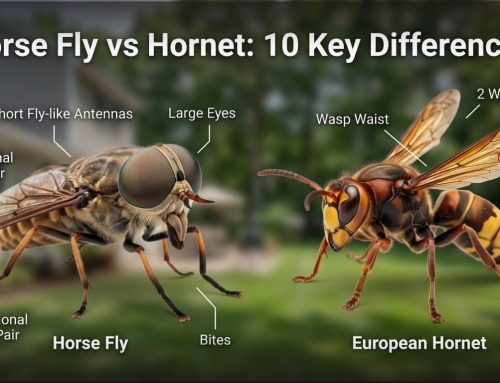
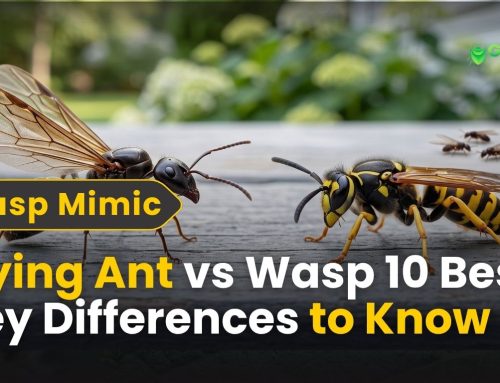
The pronounced thin waist is the single most reliable distinguishing feature separating wasps from bees and other similar insects. When you’re trying to identify body parts of a wasp versus a bee, look at the waist first. Slender, thin waist = wasp. Round body without pronounced pinching = bee.
This simple distinction is visible from distance with binoculars and is nearly 100% reliable.
Legs: More Complex Than They Appear
Wasp legs are among the most specialized body parts of a wasp, with significant variation between species.
Basic Leg Structure
Each wasp leg has seven segments with flexible joints. The segments are:
- Coxa (hip)
- Trochanter (connector)
- Femur (thigh)
- Tibia (shin)
- Tarsus (foot)
- Plus additional small segments
Functional Variations
Long-Legged Species (Paper Wasps):
Paper wasps have noticeably long, thin legs. These legs are visible while flying, dangling below the body. The length allows them to perch on delicate flower stems and maintain balance on surfaces.
Short-Legged Species (Hornets, Yellow Jackets):
More robust wasps have shorter, stockier legs adapted for more powerful movement and stronger grip strength.
Specialized Structures:
Some wasp species have spines or hooks on their legs for gripping prey or specific functions.
Identification Through Legs
You can partially identify wasp species by leg characteristics. Long, delicate, visible legs = likely paper wasp. Short, robust legs = likely hornet or yellow jacket. This is a secondary identification feature, useful when combined with body coloring and shape.
Wings: The Marvels of Insect Engineering
Wasp wings are remarkable body parts of a wasp engineered for incredible maneuverability and speed.
Structural Features
Four Wings Total:
- Two larger front wings (forewings)
- Two smaller back wings (hindwings)
- Connected by tiny hooks (hamuli) that link them together, essentially functioning as one unit
Wing Texture:
- Transparent or slightly smoky coloring
- Delicate but strong membrane structure
- Visible veins and patterns (called venation) that vary by species
Size Variation:
Different species have different wing proportions. Some have larger relative to body size, providing more lift. Others have smaller, more compact wings suited for precise maneuvering.
Flight Capabilities
Wasps achieve remarkable flight capabilities through:
- Rapid wing beats: Hundreds of beats per second (some species exceed 200 Hz)
- Hovering ability: Can remain stationary in mid-air
- Sharp turning: Can change direction instantly
- Vertical movement: Can fly up, down, sideways with equal ease
- Sustained speed: Can chase threats at considerable velocity
Wing Identification
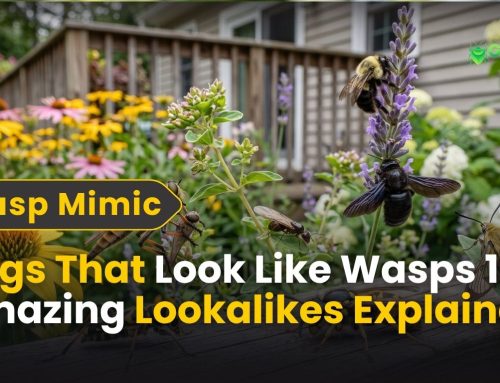
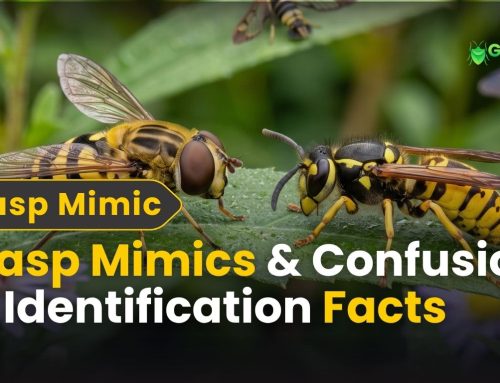
You can distinguish wasps from flies (which have 2 wings) and distinguish wasp species by examining wing structure. Use binoculars to see whether an insect has 2 or 4 wings. This immediately separates actual wasps from harmless hover flies that mimic them.
The Stinger: Understanding the Weapon
The stinger is the most significant body part of a wasp when considering human safety. Only females have stingers—males are completely harmless.
Stinger Structure
The stinger is a modified ovipositor (egg-laying apparatus) featuring:
Barbed Lancets:
Two barbed structures that slide back and forth to pierce skin. The barbs are much less pronounced than bee stingers, allowing wasps to sting multiple times without getting stuck.
Venom Canal:
A central tube connecting to the venom gland, pumping venom during the sting.
Venom Gland:
Produces the chemical cocktail that causes pain and swelling. Different species produce different venom compositions affecting sting severity.
How the Stinger Works
When a wasp stings, the lancets penetrate skin and create a pathway for venom injection. The muscles surrounding the stinger contract, pumping venom deep into tissue. The wasp can retract the stinger without damage and sting again.
This ability to sting multiple times without injury makes wasps significantly more dangerous than honeybees (which die after stinging due to barbed stingers tearing out their abdomen).
Venom Variation
Different wasp species have different venom compositions. Some venom is primarily hemolytic (destroys blood cells), while other venom affects the nervous system. Yellow jacket venom is more potent than paper wasp venom, causing greater pain and swelling. This is one reason certain wasp species are more dangerous than others.
Comparison Table: Body Parts Across Different Wasp Species
Use this table to understand how body parts of a wasp vary by species.
| Body Part | Paper Wasp | Yellow Jacket | Hornet | Solitary Wasp |
| Legs | Long, visible | Short, robust | Short, robust | Varies |
| Waist | Extremely thin | Thin | Thin | Thin to moderate |
| Body Size | ½-¾ inch | ½-¾ inch | ¾-1+ inches | Varies greatly |
| Wings | Visible, transparent | Less visible | Less visible | Varies |
| Stinger | Smooth, can sting multiple times | Smooth, multiple stings | Smooth, multiple stings | Varies |
| Color | Brown + yellow | Bright yellow + black | Black + white or brown | Varies |
Real Stories: How Understanding Wasp Anatomy Helped Identification
Story 1: The Long-Legged Visitor (Stamford)
“I was observing a flying insect and noticed its extremely long legs hanging down visibly while flying. I realized this was the characteristic of a paper wasp. Understanding that long, visible legs identified paper wasps helped me relax. Instead of panicking, I observed it peacefully visiting flowers. If I hadn’t understood wasp body parts, I might have overreacted unnecessarily.” — David M., Stamford, CT
Story 2: The Thin Waist Recognition (Westport)
“When teaching my daughter about insects, I pointed out the distinctive thin waist on a wasp we observed. She immediately understood how to distinguish wasps from bees. The thin waist became her quick identification tool. Now she can confidently identify what she’s observing without fear. Understanding body anatomy made everything clearer.” — Jennifer L., Westport, CT
Pro Tips for Observing Wasp Body Parts Safely
Use Binoculars for Safe Observation
Observe from 10+ feet distance using binoculars. You can see detailed body parts of a wasp without approaching close enough to trigger defensive behavior.
Look for the Thin Waist First
This is your fastest identification tool. Pronounced thin waist = likely wasp. No thin waist = likely bee or other insect.
Count the Wings
Four wings visible = wasp (or bee or hornet). Two wings visible = fly (harmless hover fly mimic).
Note Leg Length
Long legs visible in flight = paper wasp. Short legs = other wasp species.
Observe Wing Color
Transparent wings = actual wasp. Smoky/colored wings = some other insect.
Why Understanding Body Parts Helps with Identification
Knowledge of body parts of a wasp transforms your ability to identify species quickly and accurately.
Thin Waist Identification:
This single feature tells you immediately whether you’re observing a wasp, bee, or other insect.
Leg Length Distinction:
Long legs = paper wasp (generally less dangerous). Short legs = hornet or yellow jacket (more dangerous).
Wing Count Confirmation:
Four wings = actual wasp. Two wings = harmless mimic insect.
Body Size Assessment:
Larger robust body = hornet (more dangerous). Smaller slender body = paper wasp or other wasp species.
Color Pattern Recognition:
Combined with body structure understanding, coloring patterns become reliable identification tools.
FAQ: Questions About Body Parts of a Wasp
Can wasps sting multiple times?
Yes. Unlike honeybees with barbed stingers that tear out their abdomen, wasps have smooth stingers with minimal barbs. They can sting repeatedly without injury, making them more dangerous than bees.
Do male wasps have stingers?
No. Only female wasps have stingers. Male wasps are completely harmless and cannot sting under any circumstances. However, it’s difficult to distinguish male from female without close inspection.
What causes the pain from a wasp sting?
The venom injected through the stinger causes pain through multiple mechanisms—some venom destroys tissue, some affects the nervous system, and some triggers inflammatory responses. Different wasp species have different venom compositions.
Why do wasps have such thin waists?
The thin waist (petiole) provides extreme flexibility, allowing wasps to sting at nearly any angle. It also reduces water loss and allows passage through tight spaces. This is an evolutionary adaptation that gives wasps advantages over other insects.
Can you see the stinger with naked eye?
Yes. If you observe a wasp from 6+ feet away using binoculars, you can see the stinger as a dark point at the tip of the abdomen on female wasps. Male wasps lack this visible structure.
How fast do wasp wings beat?
Different species vary, but wasps typically beat their wings 100-200+ times per second. This incredible speed enables hovering, instant direction changes, and sustained flight at high speeds.
Don’t Let Ignorance of Wasp Anatomy Prevent Informed Decisions
Understanding body parts of a wasp transforms your ability to:
- Identify species instantly
- Assess threat levels accurately
- Distinguish wasps from harmless look-alikes
- Respond appropriately to different species
- Feel confident and informed about your yard
You now understand the key anatomical features of wasps and how these features relate to identification and threat assessment. This knowledge empowers informed decision-making about your family’s safety.
Need Expert Help Identifying What’s in Your Yard?
If you’ve spotted wasps or insect nests on your Connecticut property and want expert identification and assessment, our professional team is here to help. We understand wasp anatomy, can identify species accurately, and provide safe removal when needed.
Don’t guess about dangerous insects. Get professional identification and peace of mind.