New York Rat Exterminator: Borough Guide to Pro Services
Introduction: Finding Help for a Rat Problem in New York
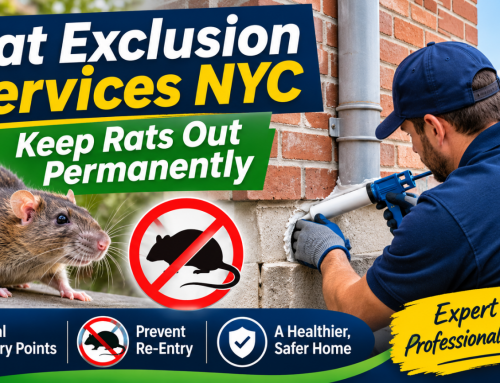
A New York rat exterminator is a licensed pest control professional who inspects a building, removes the rats already living there, and closes the openings they use to get in. In New York City, the company doing that work must hold a license from the New York City Department of Health and Mental Hygiene. The best providers explain their plan in writing before they place any product. If you’re searching for one, you’re probably hearing scratching inside a wall, finding droppings near the stove, or waiting on a landlord who hasn’t responded.
Hire a New York rat exterminator who holds a current city license, inspects before quoting, explains the treatment plan in writing, and includes exclusion (sealing entry points) rather than relying on bait alone. Expect follow-up visits, and expect building-wide cooperation if your home shares walls with neighbors.
This guide covers how to recognize rat activity, why rats do so well in different parts of the city, what a proper visit looks like, and how Brooklyn, Manhattan, and Queens differ. We also answer the questions people ask most: how to check a license, what to expect on the first visit, which mistakes waste time, and when a do-it-yourself attempt has run its course.
A quick note on who we are. Green Pest Management CT is a Connecticut business. We serve homeowners and businesses across Fairfield County, including Greenwich, Stamford, Darien, Westport, Fairfield, Wilton, New Canaan, and Norwalk. We do not operate as a New York City exterminator. We wrote this borough guide because many readers in the wider metro area want a clear checklist for choosing a provider. The inspection, sealing, and sanitation principles here apply anywhere. The licensing and reporting steps are specific to New York City, and we’ve described them so you can check any company against them.
What Is a New York Rat Exterminator?
A rat exterminator in New York is a pest control professional working under the city’s rules for pest control businesses and pesticide application. The job goes well beyond placing traps. A competent provider inspects the property, identifies the species, reduces the population, seals gaps, advises on sanitation, and returns to confirm the work is holding.
The term gets used loosely. Some companies only set bait. Others offer full rodent management. When you speak with providers, ask them to describe the whole service, not just the first visit. Extermination without exclusion is a temporary fix, because new rats arrive through the same gaps. Exclusion without removal is also a poor plan, since rats sealed inside walls chew their way through wiring and drywall looking for a way out.
How Licensing Works in New York City
Pest control businesses in New York City must be licensed by the New York City Department of Health and Mental Hygiene. Technicians who apply pesticides also need the appropriate certification. Before you sign anything, ask for the company’s license number and check that it’s current. A provider who avoids the question, or says the license is “in process,” should not be working in your building.
A license doesn’t guarantee good work, but it sets a minimum standard and gives you a regulator to contact if something goes wrong.
Who Is Responsible for Rodent Control
In most New York City buildings, rodent control falls to the property owner or manager rather than the tenant. Tenants who notice signs of rats can report conditions through NYC 311. Keep a simple log with dates, photos, and copies of any messages to the landlord. That record is valuable if the problem drags on.
Homeowners in Brooklyn, Queens, or the Bronx carry that responsibility themselves, which means the rest of this guide applies to them directly.
Signs and Identification: Recognizing Rats in City Buildings
Most rats in New York are Norway rats, also known as brown rats. These are heavy-bodied, ground-dwelling rodents that travel along curbs, foundations, and basement walls. Roof rats, which climb well and favor higher spaces, appear less often in dense city neighborhoods, though they do turn up in areas with heavy tree cover. Droppings are usually the quickest way to tell them apart.
Droppings and Gnaw Marks
Norway rat droppings are about three-quarters of an inch long, with blunt ends. Fresh droppings look dark and moist. Older ones dry out and turn gray. Rats gnaw constantly to keep their teeth worn down, so look for fresh marks on food packaging, baseboards, pipes, and wiring. A chewed electrical cable needs attention right away, not next week.
Indoor Activity in Apartments and Basements
Scratching or scurrying inside walls, especially after dark, is often the first sign tenants notice. Check behind stoves and refrigerators, under sinks, along pipe chases, and in basement storage. Greasy rub marks running along walls and pipes show the routes rats use again and again. A pet that fixates on one corner or refuses to enter a room may be reacting to something it smells or hears.
Curbside and Exterior Clues
Outdoors, the evidence often starts at the curb. Torn trash bags, holes at the base of building walls, and burrows under stoops or along sidewalk edges all point to activity. Rats also dig beneath loose pavers, around tree pits, and in construction debris. If you find a hole near a building foundation, call for an inspection rather than filling it and hoping for the best.
Causes: Why Rats Thrive in New York
Rats follow food, water, and shelter. New York offers all three in abundance, which is why rodent problems here can feel endless.
Trash and Food Waste
Bags set out for collection, overflowing containers, and food scraps around restaurants give rats an easy meal. Even small amounts of spilled food near a building entrance can keep activity going. Dense blocks with several food businesses are especially challenging, because one unmanaged dumpster affects the whole street.
Gaps in Older Buildings and Shared Infrastructure
Older buildings have many openings: gaps around pipes, cracked masonry, damaged sidewalk vaults, and worn door sweeps. Rats also travel through sewer lines and utility chases that connect buildings on the same block. In attached rowhouses and apartment buildings, one unsealed opening can serve several units at once.
Construction and Disturbance
Renovation, demolition, and utility work push rats out of their burrows and into neighboring buildings. A block that seemed quiet last month can show activity once a project starts. Open trenches and loose debris make the problem worse.
Risks and Problems: Why Rat Activity Shouldn’t Wait
Health Concerns
Rats can spread disease through droppings, urine, and contaminated food. The Centers for Disease Control and Prevention provides guidance on rodent-related health risks and safe cleanup. Leptospirosis is one disease linked to water or soil contaminated with infected urine, and Salmonella can spread when food is exposed to rodents. Children, older adults, and anyone with a weakened immune system face higher risk.
Cleanup needs care. Never sweep or vacuum droppings, because that stirs contaminated dust into the air. Wear gloves and a mask, and use a disinfectant registered with the U.S. Environmental Protection Agency, following the label’s contact time.
Structural and Electrical Damage
Rats gnaw through wood, drywall, insulation, and plastic pipe. Chewed wiring is a fire risk, and damage inside walls often stays hidden until it causes a bigger problem. Leaking pipes can lead to rot and mold behind finishes.
Tenant Disputes and Ongoing Complaints
Rodent conditions in a rental can turn into repeated complaints and a long back-and-forth between tenants and owners. Clear records, timely reports to 311, and a written treatment plan from a licensed provider help move things toward a resolution.
Prevention Tips for Buildings and Homes
Prevention in the city depends on both the building and the block. A single-family owner can act alone. A multi-unit property works best when owners, managers, and tenants share the job.
For Building Owners and Managers
- Seal gaps around pipes, conduits, and vents with steel wool or metal mesh, then finish with metal flashing or durable sealant. Rats chew through foam, so don’t rely on it alone.
- Fit door sweeps on exterior doors and repair damaged thresholds.
- Use tight-lidded bins, keep collection on schedule, and clean the area around them.
- Inspect basements, boiler rooms, and storage areas on a regular schedule. Many of the kitchen sanitation habits that deter crawling pests also reduce food sources for rodents.
- Document inspections and repairs. That paper trail matters if complaints escalate.
For Renters and Homeowners
- Store food in sealed containers, and don’t leave pet food out overnight.
- Wash dishes promptly and keep counters clear of crumbs.
- Report conditions to your landlord in writing, then to 311 if nothing changes.
- Keep cardboard, stored bags, and clutter off the floor, especially in closets and basements.
- Check under sinks and behind appliances once a month with a flashlight.
DIY vs Professional Solution
Some tasks suit a careful tenant or homeowner. A rat problem that involves walls, shared spaces, or repeat activity usually does not. For a broader look at how to weigh these decisions, our DIY and professional pest control comparison covers the same trade-offs for other pests.
| Task | Good for DIY? | Why |
| Cleaning up food and trash habits | Yes | Simple, and it helps every time |
| Sealing small, reachable gaps at ground level | Yes, using metal materials | Low risk when the opening is visible |
| Setting a few snap traps for one sighting | Sometimes | Works for light activity if traps are checked daily |
| Inspecting walls, ceilings, and pipe chases | No | Limited access and contamination risk |
| Sealing openings above ladder height or on roofs | No | Safety and access issues |
| Activity that returns after sealing | No | Usually means missed routes |
| Cleaning droppings or nesting material | Only with protective gear | Requires gloves, a mask, and proper disinfectant |
What Tenants and Homeowners Can Do First
Start with the basics: remove food sources, check the building’s obvious gaps, and document everything. Take photos of droppings and gnaw marks, note the locations, and record dates. Those notes help a provider plan the inspection and help a landlord understand the scope.
When to Call a Licensed Professional
Call a licensed provider if you see droppings in several rooms, hear sounds inside walls, spot rats during the day, notice activity after one sealing attempt, or suspect that neighboring units are affected. Calling early keeps populations smaller and limits damage. Our guide on when to call a pest exterminator explains the same timing logic for other pests.
Professional Treatment Process: What a Good Visit Looks Like
A solid visit feels methodical. The technician asks questions, walks the property, explains what they found, and describes the plan before anything goes down. Here is the typical sequence.
Step 1: Initial Call and Records Check
The provider asks when you first noticed activity, where you’ve seen signs, who lives in the home or building, and whether there are complaints on file. Those answers shape the inspection and the safety plan for children and pets.
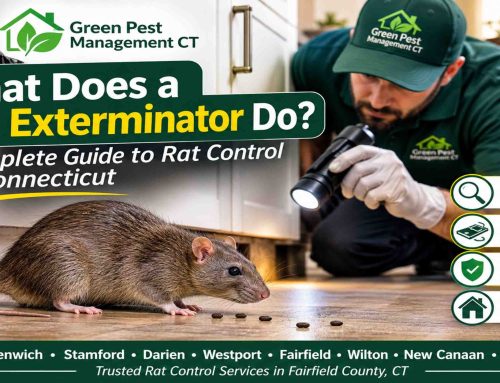
Step 2: Inspection Inside and Out
The inspector examines basements, crawl spaces, kitchens, pipe chases, storage rooms, and the exterior foundation. In multi-unit buildings, the inspection often extends to shared walls, roof access, and the areas where trash is stored. Where access allows, inspectors also look at adjacent properties that may share routes.
Step 3: Species and Activity Assessment
Identifying the species matters because Norway rats and roof rats use different routes and nest in different places. The level of activity determines how much population reduction should happen before sealing begins.
Step 4: Reducing the Population
Technicians place snap traps and tamper-resistant bait stations along active travel routes. Any approved product must be used exactly as its label directs. Technicians working around residents follow safety-focused procedures similar to those used in our pest removal services that put household safety first.
Step 5: Exclusion and Sealing
This stage is where lasting results come from. Technicians seal gaps with steel wool or metal mesh, cover openings with hardware cloth, and finish with durable materials. Sealing begins after the population is under control, because sealing too early traps rats inside the walls.
Step 6: Sanitation and Follow-Up
Droppings and nesting material should be cleaned with proper protection and disinfectant. Most cases require at least one follow-up visit to confirm that seals are holding and no new routes have opened. A good provider leaves you with a written summary and a monitoring plan.
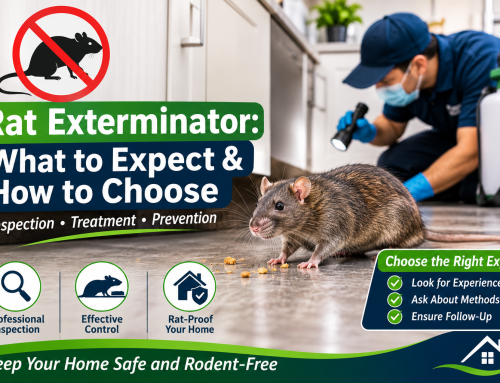
How to Choose a New York Rat Exterminator
This is where most readers start, so here is a practical checklist.
Verify the License and Insurance
Confirm the company’s New York City license and ask for proof of liability insurance. Check that the technicians named on the job are the ones who will be working on your property.
Ask How They Handle Exclusion
Ask directly: “What will you seal, and when?” If the answer is only traps or bait, you’re buying a partial service. Ask whether exclusion is part of the quote and whether it’s included or billed separately.
Look for a Written Plan and Follow-Up
A written plan should list the inspection findings, the treatment steps, the sealing scope, the sanitation work, and the follow-up schedule. If a company can’t put this on paper, you’ll have trouble holding them to it later.
Watch for Red Flags
Be wary of providers who promise permanent results without inspecting, pressure you to sign on the spot, refuse to name their products, or can’t explain their licensing. Also be cautious about anyone who recommends home remedies like scents or sprays as the main solution. Rats are not reliably deterred by those.
Borough Guide: Brooklyn, Manhattan, and Queens
Each borough has different building types, which changes what the inspection looks like and where rats are likely to be found.
Brooklyn: Rowhouses, Walk-Ups, and Shared Walls
Brooklyn’s rowhouses, brownstones, and older walk-ups share walls, basements, and utility lines. That means rats can move between units quickly. Backyards, sidewalk trash, and basement entries are common trouble spots. Because attached buildings are linked, a building-wide approach usually works better than treating a single apartment. Waterfront blocks add another layer, since rats living near the water can move into nearby streets and yards.
Manhattan: Dense Blocks, Restaurants, and Loading Zones
Manhattan combines high-rise buildings, older walk-ups, and commercial ground floors. Restaurant trash, loading docks, and basement storage are frequent problem areas. Rats here can travel through sewers and subway-adjacent corridors, so sealing and sanitation need to be coordinated across the building. Food businesses face particularly strict expectations. Restaurant operators can review the basics of fruit fly control for restaurant kitchens, since many sanitation habits overlap.
Queens: Houses, Yards, and Mixed Housing
Queens has a wide mix of detached houses, apartment buildings, and yards. Rats here often move through garages, sheds, and fence lines. Construction activity can stir up burrows, and areas near parks and waterways bring rodents closer to homes. Multi-unit properties need coordination among owners and managers. Single-family homeowners can apply the same garden habits that keep pests away from yards to limit food and shelter near the house.
The Bronx and Staten Island
The Bronx and Staten Island also have dense residential areas, older housing stock, and commercial corridors. The same principles apply: inspect first, reduce the population, seal entry points, and keep records. The same licensing and reporting rules apply citywide.
Here is a quick comparison:
| Borough | Common Building Types | Typical Rat Hotspots | Coordination Needed |
| Brooklyn | Rowhouses, brownstones, walk-ups | Shared walls, backyards, sidewalk trash | Building-wide across attached units |
| Manhattan | High-rise, older walk-ups, commercial ground floors | Restaurant trash, basements, loading docks | Building management and food businesses |
| Queens | Detached houses, apartments, yards | Garages, fence lines, construction zones | Owners, managers, and neighbors |
| Bronx and Staten Island | Mixed residential and commercial | Trash areas, older foundations | Owners and managers |
Seasonal Information: New York and Connecticut Patterns
Rats are active year-round, but the seasons shape where you’ll find them.
Winter pushes rats toward heated buildings. In the city, that often means basements, boiler rooms, and walls near heat sources. Snow reveals fresh tracks, which makes winter a useful time to check exterior routes.
Spring brings thawing soil, reopened burrows, and more outdoor activity. Construction projects often ramp up, and disturbed ground pushes rats into neighboring properties.
Summer means outdoor dining, full trash bins, and warm nights. Parks, gardens, and outdoor food areas all attract rats. This is also when rats are most visible outdoors, so curbside checks pay off.
Fall is the critical window. As temperatures drop, rats look for shelter, and the openings they use in autumn often lead to winter infestations. Sealing before the cold arrives is far easier than dealing with an indoor population later.
In Connecticut, the fall window matters just as much. Late September through November is the period when sealing has the biggest payoff for homeowners in Fairfield County.
Local Information: Connecticut Homeowners and Fairfield County
Our service area is Connecticut, and its conditions differ from the city’s. Connecticut has cold winters with freeze-thaw cycles, which open cracks in older foundations and mortar. Coastal towns sit close to Long Island Sound and its marshes, bringing rat activity near shoreline homes. Many properties are detached, with crawl spaces, sheds, and woodpiles that give rats cover.
Greenwich and New Canaan
Large lots, mature trees, and stone walls create strong habitat. Stone walls give rats travel routes and burrow sites that can connect yards and wooded edges. Estates with barns and sheds need attention at foundations and in stored materials.
Stamford and Norwalk
These towns mix dense residential streets with commercial corridors and multi-family housing. Rats move between properties through shared trash areas, storm drains, and sewer lines. Exclusion is most effective in these neighborhoods when neighbors also secure their trash.
Darien, Westport, Fairfield, and Wilton
Shoreline and marsh edges bring rats close to coastal homes. Decks, raised foundations, and crawl spaces give rodents hidden shelter. Wilton’s wooded properties mean more natural habitat close to the house, so woodpiles and brush should stay well away from foundations.
Connecticut homeowners dealing with other pests in the same towns may also benefit from our Connecticut ant control resources and our flying insect control services.
For regulatory context, commercial pesticide applicators in Connecticut operate under rules overseen by the Connecticut Department of Energy and Environmental Protection. For research-based homeowner guidance, UConn Extension is a dependable starting point.
How Much Does Rat Extermination Cost?
Cost depends on the property and the problem, so no single figure applies. The main factors are:
- Building size, number of units, and number of floors
- How widespread the activity is and how long it has gone on
- Number of entry points and how hard they are to reach
- Whether roof, ladder, or deck work is required
- Number of visits for population reduction and follow-up
- Whether sanitation, insulation removal, or repairs to chewed materials are needed
Ask for a written, itemized estimate that separates required work from optional upgrades. Confirm whether follow-up visits are included. Our guide to what to expect when budgeting for an exterminator visit explains how to read these estimates.
Frequently Asked Questions
How do I find a legitimate New York rat exterminator?
Look for a company with a current license from the New York City Department of Health and Mental Hygiene, proof of liability insurance, and a plan that includes inspection, population reduction, sealing, and follow-up. Avoid anyone who won’t show their license or who promises results without inspecting first.
Does New York City require pest control companies to be licensed?
Yes. Pest control businesses operating in New York City need a license from the Department of Health and Mental Hygiene. Ask for the license number and verify it before work begins.
Who is responsible for rat control in an apartment?
In most cases, the building owner or manager is responsible for rodent control in rental units. Tenants should report conditions in writing and can file a complaint through NYC 311 if the problem continues.
How long does rat extermination take?
The first treatment visit may be completed in a single day, but full results usually take several weeks of trapping, sealing, and follow-up monitoring. Larger or multi-unit buildings often take longer.
Are rats dangerous to my family and pets?
They can be. Rats spread germs through droppings, urine, and contaminated food, and they can damage wiring. Children, older adults, and people with weakened immune systems face higher risk. Pets can be exposed by eating bait or contaminated food, so keep them away from treated areas and call a veterinarian right away if they eat any product.
Can a rat exterminator seal my building permanently?
A thorough exclusion job can greatly reduce the chance of future entry, but nothing is permanent without maintenance. Settling, storm damage, and everyday wear can reopen routes. Regular inspections and quick repairs keep results in place.
Is poison safe to use around children?
Only if it’s used according to the label and placed where children and pets can’t reach it. Tamper-resistant bait stations and careful placement reduce risk. Professionals should explain where products will go and how long areas need to stay restricted.
What is the difference between rat extermination and rat exclusion?
Extermination removes the rats already present. Exclusion seals the openings they use to enter. Most effective plans use both, with population reduction first, then sealing, then monitoring.
Does Green Pest Management CT serve New York City?
Green Pest Management CT serves Connecticut, including Fairfield County. For Brooklyn, Manhattan, Queens, the Bronx, or Staten Island, choose a provider licensed by the New York City Department of Health and Mental Hygiene and ask them to explain their exclusion process.
Conclusion: Choose Carefully and Plan for Prevention
A good New York rat exterminator does more than set traps. The right provider confirms a valid license, inspects the whole property, reduces the population, seals the entry points, cleans up safely, and checks back to make sure the work holds. In Brooklyn, Manhattan, and Queens, that often means coordinating with building owners and neighbors. In Connecticut, it means planning around fall, stone walls, older foundations, and shoreline conditions.
If you’re dealing with rats in your home or yard, don’t wait for the next sound in the wall. Start with a careful inspection and a written plan. Connecticut homeowners in Fairfield County can reach out to our professional pest control services to schedule an inspection and talk through the right next step.