Fruit Fly Authority Hub: Stop Fruit Flies Fast
Introduction: That Tiny Buzzing Problem That’s Driving You Crazy
You walk into your kitchen on a warm Tuesday morning in Greenwich, CT, reach for a banana, and suddenly — there they are. A cloud of tiny, brownish insects swirling around your fruit bowl like they own the place. You swat at them. You cover the fruit. You pour everything down the drain. But by Thursday? There are twice as many.
Sound familiar?
Fruit flies are one of the most infuriating household pests in all of Connecticut — from Stamford to Darien, New Canaan to Wilton, and especially in restaurants and commercial kitchens across Westport and beyond. They’re small enough to appear from nowhere, breed at terrifying speed, and seem completely immune to your best efforts at getting rid of them.
Welcome to the Fruit Fly Authority Hub — your complete, no-nonsense, expert-backed guide to understanding, controlling, and permanently eliminating fruit flies from your home, kitchen, bathroom, or business. Whether you’re dealing with a minor annoyance or a full-blown infestation, this is the only resource you’ll need.
We’re going to cover everything: where do fruit flies come from, how to build the most effective apple cider vinegar fruit fly trap, how to deal with fruit flies in your drain, what works inside a fridge, how restaurants manage outbreaks, and why DIY solutions often fall short. Plus, we’ll give you expert recommendations and tell you exactly when it’s time to call in the professionals.
Let’s stop these tiny terrors — fast.
What Is a Fruit Fly? (And Why Should You Care?)
Before we dive into solutions, let’s understand exactly what we’re dealing with.
Fruit flies (Drosophila melanogaster and related species) are small flies — typically 1/8 inch long — that are attracted to fermenting organic matter. They have red eyes, a tan or brownish-yellow body, and black rings on their abdomen. They’re not just a nuisance; they’re a legitimate health concern.
According to the Centers for Disease Control and Prevention (CDC), flies in general can carry and transmit bacteria including E. coli and Salmonella when they land on food surfaces. Fruit flies are no exception. They breed in moist, organic-rich environments and can contaminate your food, countertops, and drinks without you even realizing it.
The Fruit Fly Authority Hub exists because most people underestimate this pest. They treat it as a minor inconvenience rather than what it actually is — a fast-breeding, potentially contaminating insect that, if ignored, can go from a handful of flies to hundreds within a week.
Where Do Fruit Flies Come From? The Surprising Truth
This is the question most homeowners in Stamford, CT and across Fairfield County ask first: “Where are they even coming from?”
The answer often surprises people.
Common Origins of Fruit Flies
- Overripe or Rotting Fruit
This is the most obvious source. Bananas, peaches, tomatoes, grapes, or any fruit left out on the counter provides the perfect breeding ground. Female fruit flies can lay up to 500 eggs on the surface of fermenting fruit, and those eggs hatch in as little as 24 to 30 hours. - Drains and Pipes
One of the most overlooked sources. Your kitchen drain, bathroom drain, and even your garbage disposal can harbor the moist, organic-rich buildup that fruit flies love. We’ll dedicate a full section to fruit flies in drains below — it’s more common than you think. - Recycling Bins and Garbage Cans
That empty wine bottle with a tablespoon of residue? Paradise for fruit flies. Same goes for unwashed soda cans, juice containers, and food packaging in your recycling bin. - Mops, Sponges, and Cleaning Cloths
Damp cleaning tools sitting in corners of your kitchen can ferment and attract fruit flies. This is especially common in restaurant settings across Westport and Darien. - Grocery Store Produce
Here’s one that shocks people: fruit flies can actually arrive in your home via the produce you bring from the store. Eggs may already be laid on the skin of fruit before it even reaches your kitchen. - Spilled Juice, Alcohol, or Sugary Drinks
A sticky spot under the refrigerator. A forgotten juice spill behind the counter. These invisible fermenting residues are like five-star hotels for fruit flies. - Potted Houseplants
Overwatered indoor plants can develop mold and fermentation in the soil — another attractant that many homeowners in New Canaan and Wilton never suspect.
Pro Tip: If you have a fruit fly problem that won’t go away despite cleaning the obvious areas, look for a hidden source. Check under appliances, inside cabinet corners, and especially your drains. The breeding site is almost always somewhere you haven’t looked yet.
Fruit Fly Life Cycle: Why Acting Fast Matters
Understanding the fruit fly life cycle explains why a small problem becomes a major infestation so quickly — and why delay is your enemy.
| Stage | Duration | Detail |
| Egg | 24–30 hours | Laid in fermenting organic matter |
| Larva | 4–5 days | Feeds on decaying material |
| Pupa | 4–5 days | Metamorphosis stage |
| Adult | Up to 30 days | Sexually mature in 2 days of emerging |
Here’s the alarming math: one female fruit fly can lay 500 eggs in her lifetime. Those eggs hatch within a day. Within 10 days, you can go from one fruit fly to thousands.
This is why the Fruit Fly Authority Hub emphasizes urgency. What seems like a minor nuisance today can become a full-scale infestation by next week. Don’t wait. Don’t ignore it. Act now.
How to Get Rid of Fruit Flies: Your Complete Action Plan
Let’s get into the real meat of this guide — how to get rid of fruit flies effectively, starting with the most important step that most people skip.
Step 1: Find and Eliminate the Source
No trap in the world will solve your fruit fly problem if the breeding source is still active. This is the single biggest reason DIY solutions fail.
Action checklist:
- Remove all overripe fruit from counters immediately
- Empty and clean all trash cans (inside and out)
- Clean the bottom of your kitchen trash can — not just emptying it
- Rinse all recycling containers before storing
- Clean under and behind appliances — refrigerator, stove, dishwasher
- Check for any forgotten spills or food residue in drawers or cabinets
- Inspect and clean your kitchen drain (see dedicated section below)
- Check potted plant soil moisture levels
- Wash sponges and replace mop heads
Only after eliminating the source should you move to traps and treatments.
Step 2: Deploy Traps
Traps don’t solve the problem — they reduce the adult population while you address the source. But used correctly, they make a significant difference.
The Best Fruit Fly Trap Methods (Ranked and Explained)
Apple Cider Vinegar Fruit Fly Trap (The Gold Standard)
The apple cider vinegar fruit fly trap is consistently rated the most effective DIY solution by pest professionals and homeowners alike — and for good reason.
Why it works: The fermented scent of apple cider vinegar (ACV) mimics the smell of overripe fruit, which is irresistible to fruit flies. Adding dish soap breaks the surface tension of the liquid so flies can’t escape once they land.
How to make the perfect ACV trap:
- Take a small glass, jar, or bowl
- Pour about 1/2 inch of apple cider vinegar into the container
- Add 2–3 drops of liquid dish soap (Dawn or similar)
- Optional: add a splash of red wine or a small piece of overripe fruit to enhance the attractant
- Cover the top with plastic wrap and secure with a rubber band
- Poke 5–8 small holes in the plastic wrap using a toothpick
- Place near the infestation area
The flies crawl in through the holes, get stuck in the soapy vinegar, and can’t escape. Replace every 2–3 days or when the trap gets full.
Pro tip for maximum effectiveness: Place multiple traps around the kitchen — near the fruit bowl, next to the trash can, and near the sink drain. Surround the problem.
Why ACV beats regular vinegar: Plain white vinegar doesn’t have the same fermented, fruity scent profile. Apple cider vinegar’s fermentation byproducts are far more attractive to Drosophila species. According to Wikipedia’s article on Drosophila melanogaster, these flies are drawn to acetic acid and ethanol — both of which are present in ACV.
Red Wine Trap
Got a bottle of red wine that’s a few days old and turning? Don’t pour it out — use it as a fruit fly trap.
Leave the bottle with a small amount of wine at the bottom, near your infestation area. The narrow neck acts as a natural funnel trap. Flies go in for the fermented liquid and can’t navigate their way back out.
Add a drop of dish soap to break the surface tension for even better results.
Paper Cone Funnel Trap
How to make it:
- Fill a jar with a small amount of bait (ACV, rotting fruit, or red wine)
- Roll a piece of paper into a cone shape (like a funnel)
- Insert the cone into the jar with the narrow end pointing down — but not touching the bait
- The flies enter through the wide end at the top, follow the cone down to the bait, and can’t fly back up through the small opening
This is one of the oldest and most reliable DIY traps — and it still works beautifully.
Commercial Fruit Fly Traps
For those who prefer a plug-and-play solution, several commercial traps are available:
| Trap Type | How It Works | Best For |
| Sticky Yellow Traps | Adhesive surface with UV/scent attractant | Light infestations |
| Electronic UV Traps | UV light attracts flies to adhesive pad | Kitchens, restaurants |
| Disposable Bait Traps | Pre-loaded with attractant liquid | Convenience-focused users |
| Drain Gel + Trap Combo | Treats drain + catches adults simultaneously | Drain-origin infestations |
Fruit Fly Trap for Fridge: Yes, This Is a Real Problem
Many homeowners in Darien and New Canaan, CT are shocked to discover they have fruit flies inside or around their refrigerator. Here’s what’s happening and how to deal with it.
Why Fruit Flies Appear Near the Fridge
- Drip pan accumulation: Most refrigerators have a drip pan underneath that collects condensation. Over time, this pan can accumulate organic material and standing water — a perfect breeding spot.
- Vegetable and fruit drawers: Forgotten produce in the crisper drawer can rot and attract flies. Even a small amount of liquefied fruit at the bottom of the drawer is enough.
- Door seal residue: The rubber gasket sealing your fridge door can trap food residue and moisture in its folds.
- Nearby trash or compost: If your trash can or compost bin is near the fridge, flies attracted to those sources will cluster around the fridge as well.
How to Set a Fridge-Area Fruit Fly Trap
Step 1: Pull the fridge away from the wall and locate the drip pan (usually at the bottom front or back of the unit). Clean it thoroughly with hot water and a small amount of bleach solution.
Step 2: Check all produce drawers. Remove everything, wash the drawers with hot soapy water, and inspect every item of fruit and vegetable. Discard anything past its prime.
Step 3: Wipe down all door gaskets with a damp cloth, getting into every fold.
Step 4: Place a small ACV trap (as described above) near — not inside — the refrigerator to catch any remaining adult flies.
Step 5: If fruit flies are consistently appearing near the fridge bottom, the drip pan may need to be replaced. Check your refrigerator’s manual or contact the manufacturer.
Don’t delay: A fruit fly colony near your refrigerator can contaminate fresh produce every single day. Act now before the problem multiplies.
Fruit Fly in Drain: The Hidden Infestation You’re Probably Missing
If you’ve cleaned your kitchen spotlessly, set traps everywhere, and the fruit flies keep coming back — your drain is almost certainly the source.
This is one of the most common situations we see across Fairfield County, from homes in Wilton to commercial properties in Stamford.
Why Drains Are Fruit Fly Heaven
Kitchen and bathroom drains accumulate a layer of organic gunk — called biofilm — on the interior walls of the pipe. This biofilm consists of food particles, grease, soap scum, and bacteria. It’s warm, moist, and packed with fermenting organic matter. For fruit flies, it’s a five-star breeding resort.
The flies lay their eggs in this biofilm. The larvae feed on it. And adults emerge from the drain and spread throughout your home.
Signs your drain is the source:
- Fruit flies appear near the sink even after all fruit and food has been removed
- You notice more flies in the morning (when drain activity has had overnight to develop)
- Flies appear near the bathroom drain as well as kitchen
- Your infestation returns within days of cleaning the kitchen
How to Test if Your Drain Has Fruit Flies
Here’s a simple test used by pest control professionals:
- Take a piece of clear plastic wrap or a zip-lock bag
- Coat the inside with petroleum jelly or cooking spray
- Tape it tightly over the drain opening and leave it overnight
- In the morning, check if any flies are stuck to the inside surface
If flies appear, your drain is confirmed as a breeding site.
How to Treat a Fruit Fly Drain Infestation
Method 1: Boiling Water
Pour a pot of boiling water slowly down the drain. Repeat twice a day for a week. This disrupts and partially eliminates biofilm. Good for mild infestations.
Method 2: Baking Soda + Vinegar + Boiling Water
- Pour 1/2 cup of baking soda down the drain
- Follow with 1/2 cup of white vinegar (you’ll see it fizz — this is normal)
- Wait 15 minutes
- Flush with a full kettle of boiling water
- Repeat every 2–3 days
Method 3: Enzymatic Drain Cleaner
This is the most effective DIY approach. Enzymatic drain cleaners (available at hardware stores) contain bacteria that digest and break down the organic biofilm in your pipes — eliminating the breeding site rather than just disrupting it. Follow product directions carefully.
Method 4: Professional Drain Treatment
If the infestation persists despite your best efforts, a pest control professional can apply specialized foaming drain treatments that penetrate and eliminate biofilm deep within the pipes. This is particularly important for restaurants and commercial kitchens where drain biofilm can be substantial.
Important note: Bleach and chemical drain cleaners do NOT effectively kill fruit fly eggs and larvae in drains. They may kill surface organisms but don’t penetrate the biofilm where breeding occurs. Save your bleach for surface disinfection and use enzymatic cleaners for drain treatment.
Fruit Fly Larvae vs. Maggots: What’s the Difference?
Many homeowners panic when they find small white wriggling larvae near their fruit fly infestation, wondering: Are these maggots?
Let’s clear this up once and for all.
Fruit Fly Larvae
- Size: Tiny — about 1/8 to 1/4 inch
- Appearance: Pale white, very small, nearly translucent
- Location: Found in fermenting fruit, drain biofilm, moist organic matter
- Species: Drosophila spp.
- Behavior: Feed on fermenting organic matter
Maggots (House Fly Larvae)
- Size: Larger — up to 3/4 inch
- Appearance: Cream or off-white, larger and more visible
- Location: Found in garbage, decaying meat, feces
- Species: Musca domestica (house fly) and related
- Behavior: Feed on decaying animal and protein matter
| Feature | Fruit Fly Larvae | Maggots (House Fly) |
| Size | 1/8–1/4 inch | Up to 3/4 inch |
| Color | Clear to pale white | Cream/off-white |
| Found in | Fermenting fruit, drains | Garbage, meat, feces |
| Smell | Slightly sour/fermented | Strong and putrid |
| Urgency | Address source quickly | Address source urgently |
If you’re finding large, creamy larvae in your garbage or near meat — those are house fly maggots, a different issue entirely. If you’re finding tiny, nearly invisible white specs near rotting fruit or in drains — those are fruit fly larvae.
Both need to be addressed, but the treatment is different. This guide focuses on fruit fly larvae and their adult counterparts.
Indoor Fruit Fly Killer Options: What Actually Works
When it comes to indoor fruit fly killers, the market is flooded with options. Here’s an honest breakdown of what works, what doesn’t, and what’s safe for your family.
What Works
- ACV Traps (DIY)
Already covered in detail above — highly effective, safe, inexpensive. - Enzymatic Drain Treatments
The best option for drain-origin infestations. Non-toxic to humans and pets. Breaks down the biofilm breeding site rather than just masking the problem. - UV Light Traps
These plug-in devices use ultraviolet light to attract flies to an adhesive board or electric grid. Effective for reducing adult populations in kitchens and restaurants. Not a complete solution on their own but excellent as part of a multi-step approach. - Fruit Fly Bait Stations
Commercial bait products use a combination of attractants and insecticide to kill adult flies. Effective but should be placed away from food preparation areas and out of reach of children and pets. - Professional-Grade Residual Sprays
Applied by pest control professionals to surfaces around breeding areas. These provide longer-lasting control and are particularly effective for heavy infestations.
What Doesn’t Work (Or Works Poorly)
| Method | Why It Fails |
| DEET-based insect repellents | Not designed for fruit flies; ineffective |
| Bug zappers | Attract moths and beetles more than fruit flies |
| Flyswatters alone | Can’t keep up with reproduction rate |
| Bleach down drain | Doesn’t penetrate biofilm; ineffective for eggs |
| Air fresheners | Mask odors temporarily; no kill effect |
| Fabric softener sheets | Folk remedy with no scientific backing |
Comparison Table: Fruit Fly Treatment Options
| Treatment | Effectiveness | Safety | Duration | Best For |
| ACV Trap | High | Safe | Short-term | Adult reduction |
| Enzymatic Drain Cleaner | Very High | Safe | Medium | Drain infestations |
| UV Light Trap | Medium-High | Safe | Ongoing | Commercial, kitchen |
| Commercial Bait | High | Caution needed | Medium | Moderate infestations |
| Professional Treatment | Very High | Professional-grade | Long-term | Severe infestations |
Fruit Fly Control in Restaurants: A Commercial-Grade Problem
If you run a restaurant, café, bar, or commercial kitchen in Westport, Stamford, Greenwich, or anywhere in Connecticut — you know that fruit fly control in restaurants isn’t just about comfort. It’s about your health code compliance, your reputation, and your bottom line.
A single customer complaint about flies can trigger a health department inspection. A failed inspection can mean fines, forced closure, and devastating social media reviews.
Why Restaurants Are More Vulnerable
Restaurants provide the perfect storm of fruit fly attractants:
- Constant supply of fermenting produce
- High-volume drains with significant biofilm buildup
- Floor drains that often go uncleaned
- Bar areas with residual alcohol and sugar
- Recycling bins with uncleaned beverage containers
- High humidity from cooking and cleaning
Restaurant-Specific Fruit Fly Control Protocol
Daily Tasks:
- Empty all trash cans — including bar wells and service station bins
- Clean bar floor drains and pour bait enzyme solution
- Wipe down all bar mats and rubber floor mats
- Inspect and remove overripe produce from walk-in coolers
- Empty and wipe interior of all mop buckets
Weekly Tasks:
- Deep clean all floor drains with enzymatic drain cleaner
- Inspect under all equipment — refrigerators, dishwashers, prep tables
- Clean grease traps if applicable
- Wash and sanitize recycling containers
- Inspect and replace UV light trap adhesive boards
Monthly Tasks:
- Professional drain inspection and treatment
- Full pest management inspection
- Review and update staff sanitation training
Why Professional Pest Management Is Essential for Restaurants
In a commercial setting, DIY fruit fly control is simply not enough. The scale of potential breeding sites, the health code implications, and the speed at which a reputation can be damaged make professional intervention not just advisable — but necessary.
Green Pest Management CT specializes in commercial pest control across Fairfield County. If you’re a restaurant owner or manager dealing with fruit flies, don’t wait for a customer complaint or a health inspection to take action. Contact our expert team today and get your commercial property under control — fast.
Fruit Fly Bait: Understanding What Attracts and What Kills
Fruit fly bait works on a simple principle: attract the fly to a substance that either traps it or kills it. Understanding what makes a good bait helps you deploy it more effectively.
What Attracts Fruit Flies?
Fruit flies are attracted to:
- Acetic acid (the acid in vinegar — especially ACV)
- Ethanol (the alcohol in fermented fruit and wine)
- Carbon dioxide (exhaled by fermenting material)
- Yeast byproducts (from natural fermentation)
- Sugar (fructose from overripe fruit)
DIY Bait Recipes That Work
Recipe 1: The Classic ACV Bait
- Apple cider vinegar
- 2 drops dish soap
- Optional: splash of red wine
Recipe 2: Yeast Sugar Bait
- 1 cup warm water
- 1 teaspoon sugar
- 1/4 teaspoon active dry yeast
- Let it ferment for an hour before deploying
- The CO2 produced by fermentation enhances attraction
Recipe 3: Rotting Fruit Bait
- A piece of overripe banana or peach
- Placed in a container with a funnel or saran wrap lid
- Particularly effective because it mimics the natural breeding source
Recipe 4: Beer or Wine Bait
- An open, nearly empty bottle of beer or red wine left overnight
- The narrow opening acts as a natural trap — flies enter but can’t escape
Commercial Bait Products
Look for products containing:
- Fruit fly attractant solutions with pheromone additives
- Spinosad (a naturally derived insecticide safe for indoor use)
- Pyrethrin-based sprays for direct contact application
Always read labels and follow safety instructions, especially in households with children and pets.
Why DIY Solutions Often Fail: The Real Reason
Here’s the honest truth that many pest control companies won’t tell you upfront: DIY fruit fly control works great for minor infestations, but it almost always fails when:
1. The Breeding Source Isn’t Found
You can fill your kitchen with ACV traps and catch hundreds of flies — but if the breeding site (often a drain or hidden rotting material) isn’t eliminated, the colony keeps producing new adults faster than your traps can catch them.
2. The Infestation Has Reached the Drain System
Once fruit flies have established a colony deep in your pipes, surface-level cleaning and trapping won’t reach the problem. You need enzymatic drain treatments or professional foaming agents.
3. Multiple Breeding Sites Exist
In larger homes or commercial properties, there may be 3, 5, or even 10 separate breeding sites. Missing even one means the problem continues.
4. The Products Are Used Incorrectly
Using the wrong type of bait, placing traps in the wrong location, or not replacing them often enough all reduce effectiveness significantly.
5. You’re Treating Adults, Not the Source
This is the most common mistake. Traps kill adult flies. But the larvae in your drain are continuously producing new adults. Until you break the reproductive cycle at the source, the problem continues indefinitely.
The bottom line: If you’ve been fighting fruit flies for more than 2 weeks with DIY methods and they keep coming back — it’s time to call a professional. Don’t waste another week of frustration.
Natural and Eco-Friendly Fruit Fly Control Options
For homeowners in Wilton, Darien, and New Canaan who prefer eco-conscious pest control, there are genuinely effective natural options.
Essential Oils as Repellents
Some essential oils show genuine repellent effects against fruit flies in research settings:
- Lemongrass oil: Add 10 drops to a spray bottle with water and spray around affected areas
- Eucalyptus oil: Strong natural repellent; apply on cotton balls near infestation zones
- Peppermint oil: Mix with water and spray around windowsills, doorframes, and counter edges
- Lavender oil: Less potent but pleasant-smelling deterrent
Important note: Essential oils repel flies — they don’t kill them or eliminate the breeding source. Use them as a complementary measure alongside source elimination and trapping.
Basil Plants
Fruit flies dislike the strong scent of fresh basil. Keeping a potted basil plant on your kitchen counter can act as a natural deterrent. Bonus: fresh basil for your cooking.
Diatomaceous Earth
Food-grade diatomaceous earth (DE) is a natural powder made from fossilized algae. Sprinkled around moist areas where fruit flies breed (excluding your food!), it dehydrates and kills larvae and adult flies that come into contact with it. It’s safe for humans and pets when used correctly.
Carnivorous Plants
Yes, really. Venus flytraps and pitcher plants can capture and digest adult fruit flies. They work best in greenhouses and sunrooms, but can be a fun and natural addition to your pest control strategy.
Beneficial Nematodes for Drain Treatment
Some professional-grade eco-friendly pest control products use beneficial nematodes — microscopic worms that feed on fly larvae in drain biofilm. This is a highly targeted, non-toxic approach used in green pest management programs.
Preventing Fruit Flies: Long-Term Strategies That Work
The Fruit Fly Authority Hub isn’t just about solving the current problem — it’s about making sure you never have to deal with a serious infestation again.
Your Fruit Fly Prevention Checklist
Food Storage:
- Store ripe fruit in the refrigerator rather than on the counter
- Never leave cut fruit uncovered at room temperature
- Keep all vegetables in sealed containers or crisper drawers
- Use up overripe produce immediately (in smoothies, cooking, etc.)
Kitchen Hygiene:
- Wipe counters daily — don’t leave any sticky residue
- Clean under and behind the refrigerator monthly
- Wash dishes promptly — don’t let dirty dishes sit overnight
- Empty kitchen trash every day during warmer months
- Clean the inside of your trash can at least monthly
- Rinse all recycling containers before discarding
Drain Maintenance:
- Pour enzymatic drain cleaner down kitchen and bathroom drains monthly
- Don’t leave standing water in sink basins
- Clean your garbage disposal weekly (freeze vinegar in ice cubes and run through disposal)
- Keep floor drains (especially in restaurant settings) cleaned and treated
Entry Points:
- Repair any torn window or door screens
- Install door sweeps if gaps exist under doors
- Be vigilant with produce brought from farmers markets or grocery stores — inspect before storing
Moisture Control:
- Fix any plumbing leaks promptly
- Don’t overwater houseplants
- Use a dehumidifier in summer months if your home is humid
Seasonal Patterns: When Fruit Flies Are Worst in Connecticut
If you live in Greenwich, CT, Stamford, or anywhere across Fairfield County, you’ve probably noticed that fruit fly problems peak at certain times of year.
Summer (June–August): Peak Season
Warm temperatures speed up the fruit fly life cycle dramatically. What takes 10 days in spring may take only 7 days in summer heat. This is when infestations explode fastest. Restaurants across Westport and Darien see their biggest complaints during these months.
Early Fall (September–October): Second Wave
As outdoor temperatures drop, fruit flies that have been thriving outdoors (in compost piles, outdoor fruit trees, garden beds) begin moving inside looking for warmth. Harvested produce from home gardens also introduces a significant number of flies.
Winter (November–March): Reduced but Not Zero
Fruit flies slow down in cold weather but don’t disappear. Heated homes, warm restaurant kitchens, and indoor produce storage keep infestations alive year-round. Drain-based infestations are particularly persistent in winter because the warmth of pipes doesn’t change with outdoor temperature.
Spring (April–May): Ramping Up
As temperatures rise, any remaining populations begin reproducing more rapidly. This is an excellent time to do a preventative deep clean and start your drain treatment routine.
Fruit Flies and Your Health: The Risks You Shouldn’t Ignore
Many people dismiss fruit flies as harmless annoyances. But from a public health perspective, they pose genuine risks.
Pathogen Transfer
Research published in the Journal of Medical Entomology has documented fruit flies carrying and transferring bacteria including:
- E. coli
- Salmonella
- Listeria
These pathogens can be transferred to food surfaces when fruit flies land on them. In a household with immunocompromised individuals, young children, or elderly family members — this is a serious concern.
Allergens
Fruit fly body parts and feces can become airborne and contribute to indoor allergen loads, potentially triggering respiratory reactions in sensitive individuals.
Food Contamination
Even if a fly doesn’t land directly on your food, larvae in fruit or in food residue can contaminate what you eat without you realizing it. Finding larvae in food that appeared intact is more common than most people want to admit.
Commercial Liability
For restaurants in Stamford or Westport, a single health code violation related to flies can result in significant legal and financial liability. The Connecticut Department of Public Health maintains strict food service regulations that include pest control requirements.
The Connecticut Department of Public Health provides guidance on food service establishment sanitation that includes pest management requirements. All food businesses in CT are expected to maintain active pest control protocols.
Real Homeowner Stories: What Worked and What Didn’t
Case Study 1: The Greenwich Kitchen That Wouldn’t Quit
Sarah, homeowner in Greenwich, CT:
“I’d been dealing with fruit flies for three weeks. I tried every trap I could find. I cleaned everything. But every morning I’d wake up to more flies. A neighbor mentioned checking the drain. I did the plastic wrap test — and sure enough, flies were stuck to it. I spent two days treating the drain with an enzymatic cleaner and running boiling water twice a day. By day four, the flies were almost completely gone. The ACV trap I set caught the last few stragglers. I wish I’d known about the drain connection weeks earlier.”
What worked: Enzymatic drain treatment + ACV traps
What didn’t: Surface cleaning alone, standard trap placement
Case Study 2: The Stamford Restaurant Nightmare
Marco, restaurant manager in Stamford, CT:
“We had a fruit fly issue that started small — a few flies near the bar. Within two weeks, customers were complaining. We failed a health inspection and had to close for a day. We brought in professionals who found breeding sites in three different floor drains and behind the bar’s drip trays. They used foaming agents in the drains and set up UV traps throughout. Within a week it was under control. The investment in professional help was nothing compared to the cost of that closure day and the damage to our reviews.”
What worked: Professional drain foaming + UV traps + staff training
What didn’t: DIY traps, surface cleaning only
Case Study 3: The Darien Fridge Mystery
Jennifer, homeowner in Darien, CT:
“I couldn’t figure out where the flies were coming from. No fruit on the counter, no trash issues. Then I pulled out my refrigerator to clean behind it and found the drip pan — it was absolutely disgusting and full of standing water. I cleaned it thoroughly, set two ACV traps near the fridge, and within three days the problem was completely resolved. The drip pan was the entire source.”
What worked: Drip pan cleaning + ACV traps
What didn’t: Surface-level fridge cleaning, ignoring the underside
When to Call a Professional Pest Control Service
The Fruit Fly Authority Hub believes in empowering you to handle minor infestations yourself. But there are clear signs that professional intervention is needed.
Call a Professional When:
- The infestation has persisted for more than 2–3 weeks despite DIY efforts
- You cannot locate the source despite thorough investigation
- Fruit flies are appearing in multiple rooms throughout the home
- You run a commercial kitchen or restaurant with health code obligations
- Flies are emerging from drain areas despite your drain treatments
- You suspect a hidden pipe leak or structural moisture issue is involved
- The infestation is affecting your quality of life, sleep, or food safety
Why Professional Treatment Outperforms DIY
| Factor | DIY | Professional |
| Source Identification | Visual inspection only | Trained inspection + tools |
| Treatment Reach | Surface level | Deep pipe + structural |
| Products Used | Consumer-grade | Professional-grade formulations |
| Guarantee | None | Follow-up treatment if needed |
| Speed | Weeks | Days to one week |
| Commercial Compliance | N/A | Health code compliant |
Green Pest Management CT serves homeowners and businesses across all of Fairfield County — including Greenwich, Stamford, Darien, New Canaan, Wilton, and Westport. Our technicians are trained in the latest Integrated Pest Management (IPM) techniques that are safe for your family, pets, and the environment.
Get professional help now — contact us today and let our experts solve your fruit fly problem for good.
Connecting Pest Problems: What Fruit Flies Can Tell You About Bigger Issues
Here’s something most people don’t realize: a persistent fruit fly problem often signals larger environmental conditions in your home that attract multiple types of pests.
Excess moisture, fermenting organic matter, and structural gaps don’t just attract fruit flies they attract other pests as well. If you’re managing a fruit fly issue, it’s worth taking a broader look at your home’s pest vulnerability.
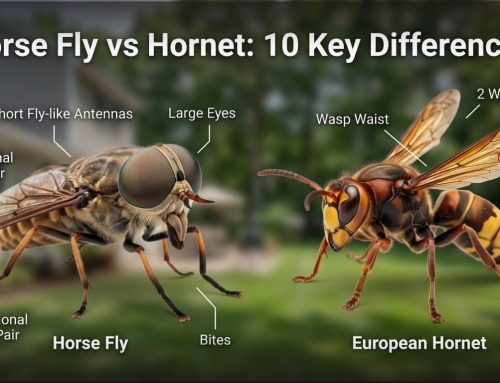
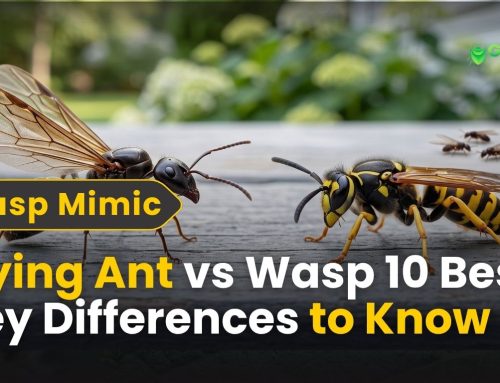
At Green Pest Management CT, we address the full spectrum of pest concerns. While fruit flies are our focus today, we also help Connecticut homeowners and businesses with stinging insects and other seasonal pests. If you’ve ever wondered about the difference between various flying pests, our resources on wasps vs. hornets in CT can be incredibly helpful. Understanding what you’re dealing with is always the first step to eliminating the problem.
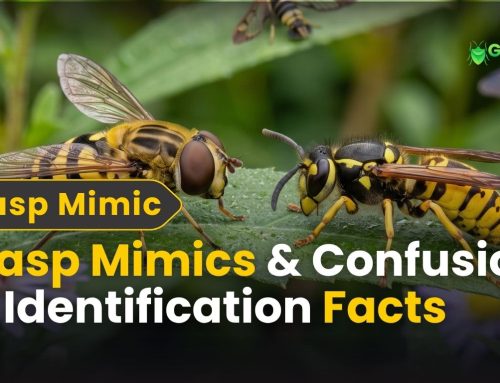
For those curious about identifying specific species — whether it’s a fruit fly, a wasp, or another flying insect our Connecticut wasp and hornet ID encyclopedia provides detailed visual and behavioral guides. Similarly, if you’ve spotted something buzzing near your home and aren’t sure what it is, the simple wasp species identification guide walks you through the identification process step by step.
Pest management is most effective when taken holistically. Whether you’re dealing with fruit flies in your kitchen or a yellow jacket nest in your backyard, understanding the full landscape of pest threats helps you protect your home more completely. Our resource on yellow jackets is particularly valuable for CT homeowners during summer months.
The Complete Fruit Fly Elimination Timeline
If you’re starting from scratch today, here’s a realistic timeline for eliminating a moderate fruit fly infestation:
Day 1–2: Investigation and Source Elimination
- Conduct full kitchen inspection
- Remove all overripe produce
- Clean trash cans (inside and out)
- Test drains using plastic wrap method
- Begin enzymatic drain treatment if drains are positive
- Set ACV traps in all affected areas
Day 3–5: Active Treatment
- Continue drain treatment (enzymatic cleaner + boiling water twice daily)
- Monitor and replace ACV traps every 2 days
- Clean under and behind all appliances
- Inspect and clean refrigerator drip pan
- Check recycling bins and clean thoroughly
Day 5–10: Assessment and Adjustment
- By day 5, you should see significant reduction in adult fly numbers
- If traps are still catching large numbers, look for additional breeding sources
- Continue drain treatment
- Add secondary trap locations if needed
Day 10–14: Resolution or Escalation
- By day 14, a properly treated infestation should be under control or completely resolved
- If significant numbers of flies persist, contact a professional pest control service
Day 15+: Prevention Mode
- Monthly drain enzyme treatments
- Store all fruit in refrigerator during warm months
- Maintain daily kitchen hygiene routines
- Keep ACV trap available as an early warning system
Pro Tips Section: Expert Advice from Pest Management Professionals
Pro Tip #1: The “Source First” Rule
Never deploy traps without first addressing the source. Traps reduce adult populations — they cannot stop reproduction at the larval stage. Source elimination is always the first step.
Pro Tip #2: Multiple Traps Beat One Super Trap
Three small ACV traps placed strategically across your kitchen will outperform one large trap in the center. Position near the drain, near the fruit bowl, and near the trash.
Pro Tip #3: Ferment Your Bait
For maximum effectiveness, let your ACV sit open for a day before making it into a trap. The additional fermentation makes it even more attractive.
Pro Tip #4: Clean at Night, Trap at Night
Fruit fly activity is often highest in the evening. Do your deep cleaning in the evening and set fresh traps at night when activity is at its peak.
Pro Tip #5: The Garbage Disposal Trick
Fill an ice cube tray with equal parts water and white vinegar. Freeze. Drop a few cubes into your garbage disposal and run it. The vinegar kills bacteria and biofilm in the disposal while the ice helps clean the blades.
Pro Tip #6: Don’t Rely on One Method
The most successful fruit fly elimination programs use multiple simultaneous methods: source removal + drain treatment + adult trapping. Using all three at once dramatically accelerates resolution.
Pro Tip #7: Commercial Properties Need Professional Help
If you manage a restaurant or food service establishment, DIY methods will not achieve the level of control needed for health code compliance. Professional, scheduled pest management is not optional — it’s essential.
FAQ Section: Your Most-Asked Fruit Fly Questions Answered
How do I get rid of fruit flies in my house fast?
The fastest approach combines source elimination with active trapping. Remove all overripe fruit, clean drains with an enzymatic cleaner, empty and wash all trash cans, and deploy ACV traps in multiple locations. For significant infestations, you can see results within 3–5 days. If the problem persists beyond 2 weeks, professional pest control is recommended.
What is the best homemade fruit fly trap?
The apple cider vinegar trap is consistently rated the best DIY option. Fill a small jar with 1/2 inch of apple cider vinegar, add 2–3 drops of dish soap, cover with plastic wrap poked with small holes, and place near the infestation. The ACV mimics fermenting fruit, and the dish soap prevents flies from escaping.
Where do fruit flies come from out of nowhere?
Fruit flies don’t appear from nowhere — they always have a source. The most common hidden sources are: kitchen and bathroom drains (biofilm buildup), forgotten overripe produce (often inside a bag or cabinet), the refrigerator drip pan, or produce brought from the grocery store or farmers market that already had eggs on the surface.
Are fruit flies dangerous or just annoying?
Both. Fruit flies can carry and transfer bacteria including E. coli, Salmonella, and Listeria to food surfaces. In restaurants and homes with vulnerable individuals (young children, elderly, immunocompromised), they pose genuine health risks. They’re not simply harmless nuisances — they’re a food safety concern.
How do I know if fruit flies are coming from my drain?
Perform the plastic wrap test: tape a piece of clear plastic wrap over the drain opening with the inside coated in petroleum jelly or cooking spray. Leave it overnight. If fruit flies are stuck to the inside in the morning, your drain is confirmed as a breeding site and should be treated with enzymatic drain cleaner.
Why do I keep getting fruit flies in my kitchen even though it’s clean?
The most likely explanation is that the breeding source is hidden — most commonly in the drain biofilm, the refrigerator drip pan, or under appliances. Surface cleaning doesn’t address these hidden sources. Conduct a systematic investigation: test drains, pull out appliances and check underneath, and inspect every trash can, recycling bin, and mop or sponge.
How long does it take to get rid of a fruit fly infestation?
With consistent, multi-method treatment (source elimination + drain treatment + adult trapping), most home infestations can be resolved within 7–14 days. Commercial or severe infestations may take longer and often require professional intervention. Remember: you must break the reproductive cycle, not just kill adult flies, to achieve lasting resolution.
Do fruit flies come from plants?
Yes. Overwatered houseplants with moist, organically rich soil can attract fruit flies and provide a breeding environment. They can also be confused with fungus gnats — tiny flies that breed almost exclusively in potting soil. If you have flies emerging from plant soil, allow the soil to dry thoroughly between waterings and consider repotting with fresh sterile soil.
Quick Reference: The Fruit Fly Authority Hub Cheat Sheet
Emergency Response (Day 1)
- Remove all overripe fruit
- Empty and wash all trash cans
- Test drains (plastic wrap test)
- Deploy 3+ ACV traps
- Clean under all appliances
Ongoing Treatment (Days 2–10)
- Enzymatic drain treatment daily
- Replace ACV traps every 2 days
- Boiling water flush of drains twice daily
- Continue monitoring and sourcing
Prevention (Ongoing)
- Monthly drain enzyme treatment
- Refrigerate ripe fruit
- Daily counter wipe-down
- Weekly trash can cleaning
- Quarterly deep clean under appliances
Final Word: Don’t Let Fruit Flies Win
Here’s the truth: fruit flies are beatable. They’re not mysterious, they’re not impossible to control, and you don’t have to live with them.
But they do require a systematic, source-first approach that most DIY solutions skip. They reproduce faster than you’d believe. And they exploit every moist, fermenting corner of your home with ruthless efficiency.
The Fruit Fly Authority Hub has given you everything you need to fight back:
- Understanding where fruit flies come from
- How to build the most effective ACV trap
- How to eliminate fruit flies from your drain
- How to protect your refrigerator
- What distinguishes fruit fly larvae from maggots
- Which indoor fruit fly killer options actually work
- How restaurants across CT should manage outbreaks
- When to call in the professionals
Whether you’re in Greenwich, Stamford, Darien, New Canaan, Wilton, or Westport — you now have the knowledge to take control of this problem.
But knowledge alone isn’t enough you have to act.
If you’ve tried the DIY route and the fruit flies keep coming back, or if you’re a restaurant owner who needs professional-grade control that meets Connecticut health code standards — don’t wait another day.
Take Action Today Stop Fruit Flies for Good
Don’t let a small infestation become a massive, hard-to-treat problem. Every day you wait, the population grows. Every egg that hatches becomes an adult that lays more eggs.
Green Pest Management CT serves homeowners and businesses across all of Fairfield County providing safe, effective, eco-conscious pest control that gets results.
Our certified pest management professionals will:
- Identify every breeding source — including hidden ones
- Treat your drains with professional-grade formulations
- Deploy strategic adult control measures
- Provide you with a long-term prevention plan
- Ensure your home or business is protected going forward
Contact Green Pest Management CT today and stop fruit flies fast — before they stop you.
Green Pest Management CT proudly serves Greenwich, Stamford, Darien, New Canaan, Wilton, Westport, and communities throughout Fairfield County, Connecticut. Our integrated pest management approach is designed to protect your family, your property, and the environment.
Related Resources from Green Pest Management CT:
- Hornet Exterminator Services in Connecticut
- Yellow Jacket Deep Dive: Everything You Need to Know
- Wasps vs. Hornets in CT: Differences and Dangers
- How Harmful Are Hornets?
- Immediate Hornet Control in CT
- Hornet Nest Removal in CT
- Treatment of Hornet Sting
- Flying Insects That Look Like Wasps
- Types of Wasps Explained
- Bee vs. Wasp Identification Guide