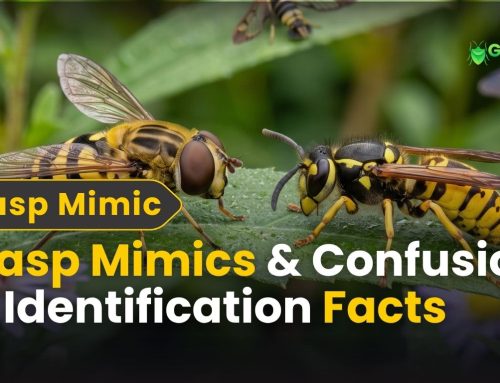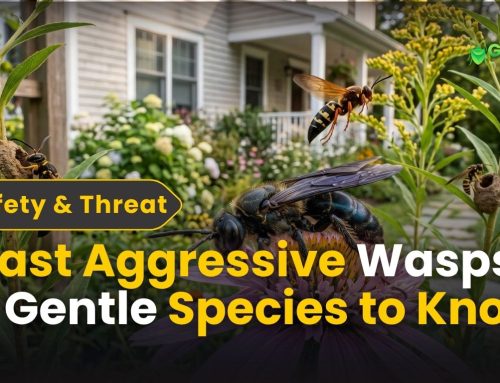
What Eats Wasps & Hornets? Complete Feeding Guide
You Left a Soda Can Outside. Now You Have a Wasp Problem.
It started innocently enough. A half-empty lemonade on the patio table. A few pieces of watermelon left out after a cookout. Maybe a trash can that wasn’t sealed quite right.
Within days, you noticed more wasps than usual circling your yard. Within a week, they were landing on everything your food, your drinks, your kids’ popsicles. And now you’re wondering: what exactly are these things eating, and why does your backyard suddenly feel like their personal buffet?
You’re not alone. Homeowners across Greenwich CT, Stamford CT, Darien CT, New Canaan CT, Wilton CT, and Westport CT ask us this every single summer. And the answer is more fascinating — and more important to your safety than most people realize.
Understanding what eats wasps and hornets, what wasps eat themselves, and how their diet changes through the season is the key to understanding their behavior, their aggression, and most critically, how to stop them from taking over your property.
Let’s get into it.
What Do Wasps Eat? The Answer Changes Every Month
Here’s the thing most people miss: wasps don’t eat the same thing all year. Their diet shifts dramatically depending on the season, the stage of the colony, and what’s available in their environment.
This dietary shift is directly connected to the aggression you experience in late summer. Once you understand the feeding cycle, wasp behavior starts to make a lot more sense.
Spring and Early Summer: The Protein Phase
- In spring, the queen emerges from hibernation and immediately begins building the colony from scratch. Her first priority? Protein.
- During this phase, wasps are primarily predatory hunters. They’re catching and killing other insects to feed their developing larvae. This is actually beneficial for your garden they act as natural pest controllers.
- Common protein food sources in spring and early summer:
- Caterpillars and moth larvae
- Flies and gnats
- Aphids and soft-bodied garden insects
- Spiders
- Beetles and grubs
- Grasshoppers and crickets
The larvae, in turn, produce a carbohydrate-rich liquid that adult worker wasps consume. It’s a mutually beneficial exchange within the colony larvae get protein, workers get sugar. The whole colony functions on this internal economy.
This is why, in May and June, wasps generally leave you alone. They’re busy hunting insects, not scavenging your picnic table.
Late Summer and Fall: The Sugar Phase And Why It Affects You
Here’s where things get dangerous for you and your family.
By late July and August, the colony’s larval population begins to decline. The queen’s egg-laying slows. Workers lose their primary sugar source (the larval secretions) almost overnight. Suddenly, thousands of hungry workers are searching for carbohydrates and sugars anywhere they can find them.
This is why your backyard feels like a wasp invasion by August. It’s not random it’s a predictable, biological response to dietary need.
- Common sugar food sources in late summer:
- Ripe and overripe fruit
- Fruit juice and soda
- Nectar from late-blooming flowers
- Fermented organic matter
- Human food — sandwiches, desserts, condiments
- Beer, wine, and alcoholic drinks
This dietary desperation also drives significantly increased aggression. A wasp protecting a food source in October is far more reactive than a hunting wasp in May. Understanding this seasonal shift is essential for protecting your household.
For a complete breakdown of how this behavioral shift connects to colony structure, see our wasp and hornet behavior hub it covers diet, aggression, and seasonal patterns in full detail.
What Do Hornets Eat? Are They Different From Wasps?
Yes and the difference matters quite a bit.
Hornets are primarily carnivorous predators, even more so than typical wasps. Where paper wasps and yellow jackets balance protein and sugar throughout the season, true hornets lean heavily toward live prey hunting throughout most of their active period.
-
European Hornet Diet
- The European hornet the large, brown-and-yellow hornet common in Connecticut has one of the most diverse diets of any stinging insect in our region.
- They actively hunt:
- Large beetles and moths
- Grasshoppers and dragonflies
- Honeybees (a significant threat to local bee populations)
- Other wasps (yes, really more on this shortly)
- Flies and aphids
European hornets also consume tree sap, especially from birch and ash trees, which they access by stripping bark. This feeding behavior can actually damage ornamental trees in your yard another reason hornet colonies near your property are a problem beyond just sting risk.
For a detailed look at how European hornets compare to yellow jackets in Connecticut, our yellow jacket vs. European hornet comparison guide is essential reading.
-
Bald-Faced Hornet Diet
- The bald-faced hornet technically a yellow jacket, despite being called a hornet is a highly aggressive predator that hunts:
- Soft-bodied insects
- Other yellow jackets and wasps
- Flies and beetles
- Caterpillars
Bald-faced hornets are also documented consumers of nectar and tree sap, especially later in the season. Want to know more about what this species looks like and how to identify it? Our complete wasp and hornet identification guide for Connecticut has everything you need.
-
Do Hornets Eat Wasps? The Surprising Answer
This is one of the most common questions we get and the answer is a definitive yes.
Hornets do eat wasps. This isn’t a myth or an exaggeration. European hornets and bald-faced hornets will actively hunt, kill, and consume smaller wasp species. They’re at the top of the stinging insect food chain in Connecticut’s ecosystem.
- Here’s how it works:
- A hornet worker spots a smaller wasp (often a paper wasp or yellow jacket) foraging near a shared food source
- The hornet subdues the wasp using its powerful mandibles — not its stinger
- The prey is chewed and formed into a protein ball
- The protein ball is carried back to the nest to feed developing larvae
This predatory relationship is one reason some homeowners mistakenly believe their wasp problem has “resolved itself” when a hornet colony moves in nearby. In reality, they’ve just traded one stinging insect problem for a potentially more dangerous one.
Hornets are larger, their colonies are highly territorial, and their stings deliver more venom per sting than most wasp species. Don’t assume a hornet colony is less of a threat just because it’s eating your wasps.
According to Wikipedia’s coverage of hornet predatory behavior, European hornets in particular are significant predators of other Hymenoptera, including honeybees, wasps, and other hornet species.
If you’re dealing with hornets near your Darien or New Canaan home, our hornet exterminator services in Connecticut are specifically designed to address these larger, more dangerous colonies safely.
What Eats Wasps and Hornets? Complete Predator List
Now for the question that brings many readers to this page: what eats wasps and hornets?
Despite their painful stings and aggressive defense, wasps and hornets do have natural predators. Here’s a comprehensive breakdown organized by predator type.
Birds That Eat Wasps and Hornets
Birds are among the most significant natural predators of wasps and hornets. Several species in Connecticut have developed strategies for dealing with stinging insects:
| Bird Species | Hunting Method | Notes |
| European Starling | Group attack on nests | Raid exposed nests for larvae |
| Common Nighthawk | Aerial pursuit | Catches wasps mid-flight |
| American Robin | Ground foraging | Takes wasps and larvae from ground nests |
| Eastern Kingbird | Aerial attack | Known wasp and bee predator |
| Blackbirds | Opportunistic | Takes wasps at food sources |
| Honey Buzzard | Specialized nest raiding | Primarily European; highly specialized |
The critical point: While these birds do consume wasps, they will not eliminate a colony. They pick off individual workers and, occasionally, raid small or exposed nests. But a colony of 1,000+ yellow jackets in your Westport backyard is well beyond what birds will control.
Insects That Eat Wasps and Hornets
Wasps are predated by several insect species — some of which may surprise you:
- Praying Mantis
The praying mantis is one of the most effective wasp predators in the insect world. They are ambush hunters that position themselves on flowers and vegetation where wasps forage, then strike with lightning speed. Their armored forelegs make them nearly immune to wasp stings during the capture process. - Robber Flies
Robber flies (family Asilidae) are aggressive aerial predators that will attack and kill wasps in mid-flight. They inject a paralyzing saliva and consume the wasp’s body contents. They are a genuine threat to individual foragers but have no impact on a colony. - Dragonflies
Dragonflies are among the most efficient aerial predators in nature, with a capture success rate of over 90%. They readily take wasps and hornets in open-air environments especially near water sources common in Connecticut’s landscape. - Ground Beetles
Certain large ground beetle species will attack wasp and hornet larvae if they gain access to a nest, particularly ground nests. Their hard exoskeletons provide some protection against stings. - Other Wasps and Hornets
As discussed above, larger hornet species actively prey on smaller wasp species. This predator-prey dynamic within the Hymenoptera order is one of the most interesting aspects of wasp behaviour in Connecticut’s ecosystem.
Spiders That Eat Wasps
- Several spider species are effective wasp predators:
- Orb-weaver spiders — Catch wasps in large webs; their venom quickly immobilizes captured wasps
- Yellow garden spiders (Argiope aurantia) — Common in Connecticut yards; regularly capture foraging wasps
- Wolf spiders — Ground hunters that can take small wasps
- Crab spiders — Ambush hunters on flowers that capture visiting wasps
Mammals That Eat Wasps and Hornets
Several mammals in Connecticut’s ecosystem will raid wasp and hornet nests when given the opportunity:
- Skunks
Skunks are one of the most significant mammalian predators of ground-nesting wasps in Connecticut. They dig up ground nests at night to access larvae and pupae. Their thick fur provides protection against stings, and they appear largely resistant to wasp venom in small doses. - A classic sign that skunks are raiding a ground yellow jacket nest: claw marks and disturbed soil around the nest entrance in the morning. If you see this in your Stamford or Greenwich yard, address the nest immediately before the colony repairs and expands its defenses.
- Raccoons
Raccoons will raid accessible aerial nests and ground nests, particularly at night. Like skunks, they’re primarily after the protein-rich larvae and pupae rather than the adult wasps themselves. - Black Bears
Black bears are documented throughout Connecticut and will tear apart both ground and aerial nests to consume larvae. According to the Connecticut Department of Energy and Environmental Protection (DEEP), black bear activity has been increasing in Fairfield County, including areas around Wilton and New Canaan. A bear that destroys a wasp nest in your yard is solving one problem while potentially creating another. - Badgers
While less common in Connecticut than in the Midwest, badgers are one of the most dedicated mammalian predators of ground-nesting wasps globally.
The Reality Check: Natural Predators Won’t Solve Your Problem
Here’s what you need to understand clearly: natural predation alone will never control a wasp or hornet infestation on your property.
Predators may reduce forager numbers marginally. They will not locate and destroy a nest. They will not eliminate the queen. And as long as the queen is alive and the nest intact, the colony will replace lost workers faster than any predator can remove them.
If you have a nest on or near your home in Darien, Westport, or Stamford, you need professional intervention — not wishful thinking about birds and spiders doing the job for you.
Reach out to our Connecticut pest management team for fast, effective, family-safe nest removal.
When Are Wasps Least Active? Timing That Could Keep You Safe
Knowing when wasps are least active is critical especially if you need to work near a nest area or your yard.
Wasps Are Least Active:
- After dark Most wasp species are diurnal (daytime active). Exceptions include European hornets, which forage at night
Below 50°F (10°C) — Cold temperatures suppress wasp activity significantly
During heavy rain — Workers stay inside the nest in wet conditions
Before sunrise — Activity hasn’t ramped up; workers are still inside
In winter — Workers are dead; only hibernating queens remain
Wasps Are Most Active:
- Between 10 AM and 4 PM on warm, sunny days
In August and September — Peak colony size and food scarcity
Near food sources — Trash cans, outdoor dining areas, fruit trees
When the nest is disturbed — Any time, any conditions
Pro Tip: If you absolutely must be near a known nest area, early morning before sunrise on a cool day is your safest window. But “safe” is relative — even a sleeping colony can mobilize quickly if disturbed. Always maintain maximum distance and never attempt nest removal yourself.
The Diet-Aggression Connection: Why Understanding Feeding Changes Everything
- Most homeowners don’t connect wasp diet to wasp aggression. But they’re directly linked and understanding this connection could prevent a dangerous situation.
- Here’s the pattern we see every summer across Connecticut:
- June: Wasps are hunting insects. They’re focused, purposeful, and largely ignore humans.
- July: Colony is growing. Workers are foraging more widely. You might notice them investigating food smells.
- August: Larvae are declining. Sugar starvation begins. Wasps become scavengers. Aggression increases sharply.
- September–October: Colony is dying. Queens are preparing to overwinter. Workers are desperate, food-scarce, and at their most aggressive and unpredictable.
- This is why September stings are often the most serious. Desperate, dying wasps are far more likely to sting at the slightest provocation a swinging arm, a sudden movement, even breathing near them.
- For a full picture of how diet connects to the colony lifecycle, our wasp vs. hornet behavior and comparison hub is an excellent resource. And if you want to understand what species you’re specifically dealing with, the wasp and hornet ID encyclopedia for Connecticut is the most comprehensive species reference available for our region.
How Wasp Diet Attracts Them to Your Home: Practical Prevention
Understanding what wasps eat gives you a direct roadmap for preventing them from targeting your property.
Remove Their Food Sources
- For protein-seeking wasps (spring/early summer):
- Address aphid infestations on garden plants — aphids attract wasps
- Seal compost bins — decomposing organic matter attracts hunting wasps
- Keep outdoor pet food covered or brought inside
- For sugar-seeking wasps (late summer/fall):
- Pick up fallen fruit daily from apple, pear, and plum trees
- Keep all outdoor trash cans sealed with tight-fitting lids
- Rinse recycling containers — sweet residue is a powerful attractant
- Cover outdoor food immediately during BBQs and cookouts
- Never leave open beverages unattended — check your drink before every sip
- Clean up spilled drinks and food promptly
- Year-round prevention:
- Eliminate standing water near the home
- Seal cracks and gaps in exterior walls and eaves
- Remove rotting wood (nesting material source)
- Keep gardens tidy — overgrown vegetation provides nest-building sites
- For more in-depth prevention strategies tailored to Connecticut homeowners, read our guide on how to deter hornets from nesting.
Pro Tips From Connecticut Pest Control Experts
Our technicians have handled thousands of wasp and hornet cases across Fairfield County and beyond. Here’s what they want you to know about wasp feeding behavior and your safety:
- Tip 1: Sweet smells travel far.
A single overripe apple on the ground can attract foraging wasps from 50+ meters away. Never underestimate how powerfully fermented or sweet smells draw wasps to your yard. - Tip 2: Your BBQ is a buffet.
The combination of grilling meat (protein), sugary sauces, and sweet drinks creates the perfect wasp-attracting environment. Set up fans to disrupt wasp flight paths during outdoor dining — it genuinely helps. - Tip 3: A wasp in your drink can sting your throat.
This is a genuine medical emergency. Wasps that climb inside beverage cans are one of the most dangerous situations homeowners face. Always use a cup you can see into, and check before every sip in late summer. - Tip 4: The nest you can’t see is the one that gets you.
The most dangerous nests are ground nests you don’t know about. If wasps are repeatedly flying toward one spot in your lawn, mark the area and keep people away until a professional can assess it. Our team handles ground hornet treatment in CT safely and effectively. - Tip 5: Fruit trees need management, not just harvesting.
If you have fruit trees in New Canaan, Wilton, or anywhere in Connecticut, fallen and rotting fruit is one of the single biggest wasp attractants on residential properties. A daily fruit pickup routine from late July onward can significantly reduce wasp activity in your yard.
Customer Experiences: Real Stories From Connecticut Homeowners
Westport, CT The Fruit Tree Problem
- “Every August, our pear tree drops fruit and our backyard becomes impossible to use. Last year we called Green Pest Management after finding a yellow jacket nest in the ground near the tree. They treated the nest safely, then helped us understand that the rotting pears were the root cause. Cleaning up the fallen fruit daily has made a massive difference. We can actually enjoy our yard again.”
— Patricia L., Westport CT
Greenwich, CT The Trash Can Situation
- “We couldn’t figure out why wasps kept swarming our back patio every evening. Turns out our recycling bin lids weren’t sealing properly and the sweet residue was drawing them in from all over. The Green Pest Management team spotted it immediately, removed a small nest behind our garage, and gave us practical advice about our bins. Problem solved within a week.”
— David M., Greenwich CT
Stamford, CT The Backyard BBQ Nightmare
- “We had a Labor Day cookout that turned into a complete disaster — wasps everywhere, guests getting stung, food completely taken over. We had no idea there was a massive yellow jacket ground nest just twenty feet from our patio. After treatment, our neighbor mentioned she’d seen wasps going in and out of that spot all summer. We just hadn’t noticed. Don’t ignore the signs like we did.”
— Amanda K., Stamford CT
FAQ: What Eats Wasps and Hornets Your Questions Answered
Q1: What is the biggest natural predator of wasps?
A: Among insects, the praying mantis and robber fly are most effective at killing individual wasps. Among mammals, skunks and badgers are the most dedicated predators of wasp colonies. Among birds, starlings and honey buzzards are most associated with wasp predation. However, no single predator effectively controls a colony near human habitation.
Q2: Do hornets eat wasps?
A: Yes. European hornets and bald-faced hornets actively hunt and kill smaller wasp species. They use their mandibles to capture and kill prey, then chew it into protein balls to feed their larvae. This predatory behavior is well-documented and makes hornets apex predators among stinging insects in Connecticut’s ecosystem.
Q3: What do wasps eat in winter?
A: Worker wasps do not survive winter in Connecticut — they die off in late fall. Only mated queens survive winter, entering a dormant state called diapause. Queens do not eat during this period, surviving on fat reserves stored before hibernation. There is no active feeding behavior during winter months.
Q4: When are wasps least active and safest to be around?
A: Wasps are least active at night, before sunrise, during cold temperatures (below 50°F), and during heavy rain. The safest time to be near a known nest area is early morning on a cool, overcast day. However, no time is completely safe near an active nest. Always maintain distance and consult a professional for removal.
Q5: Why are wasps so aggressive in August and September?
A: Late-season aggression is directly tied to diet and colony decline. As the colony’s larval population drops, workers lose their primary sugar source (larval secretions) and become desperate food scavengers. Combined with maximum colony size and defensive instincts, this makes August and September the most dangerous months for stinging incidents in Connecticut.
Q6: Can I attract natural predators to control wasps in my yard?
A: You can create a bird-friendly yard with feeders and water sources that may attract insectivorous birds. However, natural predation alone will never eliminate a wasp colony. This approach may marginally reduce forager numbers but will not address the nest, the queen, or the colony itself. For effective control, professional treatment is necessary.
Q7: Do wasps eat fruit directly, or are they attracted to the fermenting smell?
A: Both. Wasps consume fruit directly — especially overripe or damaged fruit — and are also highly attracted to the fermentation gases released by rotting fruit. The yeast-produced compounds in fermenting organic matter are among the most powerful wasp attractants in a residential environment. Removing fallen fruit promptly is one of the most effective prevention measures you can take.
Final Word: Knowledge Is Power — But Professional Help Is Protection
You now understand something most people never bother to learn: what eats wasps and hornets, what wasps eat throughout the season, and exactly why their behavior changes as summer progresses.
This knowledge matters. It explains why your backyard feels like a warzone in August. It explains why natural predators aren’t solving your problem. And it tells you exactly what environmental changes you can make to reduce wasp activity around your home.
But knowledge has limits. If there’s an active nest on your property — whether it’s hanging from your eave in Greenwich, buried in your lawn in Wilton, or tucked inside your wall in Darien — you need professional help. Not next week. Not when it gets worse. Now.
Colonies grow exponentially. A nest with 50 workers today can have 500 in three weeks. The risk doesn’t plateau — it escalates.
Our team at Green Pest Management serves homeowners across all of Connecticut, with specialized expertise in wasp and hornet identification, colony elimination, and long-term prevention. We use professional-grade treatments that are fast-acting, effective, and safe for your family and pets.
Contact Green Pest Management today for professional wasp and hornet control in Connecticut. Don’t wait until someone gets hurt.
Related Resources Worth Reading
-
- Complete Wasp & Hornet Behavior Hub — ID, Nesting & Aggression
- Wasps vs. Hornets in CT — Differences & Dangers
- Are Hornets More Aggressive Than Wasps?
- Hornet Nest Removal in CT
- How Harmful Are Hornets?
- Yellow Jacket Deep Dive: Everything You Need to Know
- Types of Wasps Explained: How to Identify
- Hornet Sting vs. Wasp Sting: Differences & Treatment