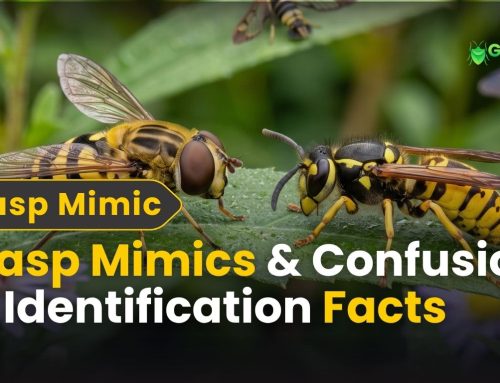
Difference Between Wasp and Hornet Nest: 7 Easy Signs to Spot
Introduction
You’re walking around your Greenwich, Connecticut property when you spot it: a papery structure on your home.
Your heart races. Your mind fills with questions:
“Is that a wasp nest or a hornet nest? How do I know the difference? Is my family in danger? What do I do?”
This is the exact moment homeowners across Stamford, Darien, New Canaan, Wilton, and Westport, CT face when they discover a stinging insect nest. And the stakes are real—because the difference between wasp and hornet nest isn’t just a visual distinction. It’s the difference between a manageable situation and a genuine safety threat.
Here’s what most people don’t realize: You can identify what’s on your property within seconds if you know what to look for. And once you know what you have, you’ll understand exactly what to do about it.
In this guide, I’ll walk you through the 7 easiest signs to spot the Difference Between Wasp & Hornet Nest. By the time you finish reading, you’ll be able to identify any nest on your property and more importantly, you’ll know whether it requires immediate professional action or simple monitoring.
Why Nest Identification Matters
Before we dive into the 7 signs, let’s establish why this matters.
Identification determines your response:
- Wasp nest = Monitor, avoid, or optional removal
- Hornet nest = Professional removal urgently recommended
- Yellow jacket nest = Professional removal often necessary
Getting this wrong could mean unnecessary fear about a harmless wasp nest—or worse, underestimating the danger of an actual hornet nest.
Understanding the difference between wasp and hornet nest also helps you explain the situation accurately to pest control professionals, which speeds up the removal process.
The 7 Easiest Signs to Spot the Difference
Sign #1: Overall Size (The Most Obvious Difference)
This is the easiest way to start identifying what’s on your property.
Wasp nests:
- Small (3–8 inches in diameter)
- Roughly the size of a golf ball to a grapefruit
- Proportionally similar to a tennis ball or baseball
- Visible from ground level usually
Hornet nests:
- Large (12–36 inches or larger)
- Size of a football, basketball, or larger
- Often the size of a helmet or beach ball
- Visible from a distance (you can see from across the yard)
Quick test: Can you hold the nest’s approximate size between your hands? If yes, it’s probably a wasp nest. Does it look like a giant football hanging from a tree? That’s almost certainly a hornet nest.
This single difference catches 80% of identifications. A hornet nest is visibly, noticeably larger than a wasp nest.
Sign #2: Nest Shape (Form Tells the Story)
The shape of the nest reveals which insect built it.
Wasp nest shapes:
- Umbrella-shaped (inverted teacup)
- Hexagonal open cells visible
- Flat or dome-shaped top
- Open, exposed structure
- Sometimes like a muddy tube (mud daubers)
Hornet nest shapes:
- Football-shaped (elongated oval)
- Teardrop-shaped
- Fully enclosed (no visible cells)
- Smooth, papery exterior
- Sometimes hanging like a giant teardrop from trees
Practical identification: If you can see individual hexagonal cells (the honeycomb pattern), it’s a wasp nest. If it’s completely enclosed and smooth-looking, that’s a hornet nest.
The shape difference is dramatic. Wasp nests look “open” and papery. Hornet nests look “enclosed” and solid.
Sign #3: Location on Your Property (Where They Choose to Build)
Different species choose different locations, and this helps with difference between wasp and hornet nest identification.
Wasp nest locations:
- Under eaves and roof overhangs
- Under gutters and soffits
- In corners of windows and doors
- Under decks and porches
- On branches of shrubs/trees
- Protected, accessible areas
- Usually human-accessible height
Hornet nest locations:
- High in trees (15+ feet often)
- On building eaves (high locations)
- Hanging from utility poles
- In protected tree crotches
- Away from ground level
- Difficult to access
- Often prominent and visible from distance
Real-world observation: If you spot a nest at human level or under your eaves, it’s likely a wasp nest. If you see a large nest way up in a tree that you can see from your yard, that’s almost certainly a hornet nest.
Location tells you something important: hornets build high. Wasps build accessible.
Sign #4: Color and Texture (Visual Clues Matter)
The appearance of the nest structure helps with identification.
Wasp nest appearance:
- Grayish-brown papery material
- Thin, delicate-looking structure
- Relatively smooth finish
- Sometimes with darker markings
- Fragile appearance
- Single-layer thickness visible
Hornet nest appearance:
- Darker gray or tan color
- Thick, sturdy-looking structure
- Smooth, sealed exterior
- No visible individual cells (enclosed)
- More robust appearance
- Multi-layered, insulated looking
Touch test (from distance): A wasp nest looks like it’s made of paper. A hornet nest looks like it’s made of thick, durable material.
The color difference isn’t dramatic, but the texture and thickness are. Hornet nests look more engineered and solid. Wasp nests look more fragile.
Sign #5: Visible Entrance Hole (The Telltale Opening)
This is a critical identifying feature that many people miss.
Wasp nest entrances:
- Multiple access points
- Open cells (entire structure is the entrance)
- No single “door”
- Workers constantly visible entering/exiting
- Chaotic-looking traffic pattern
- Easy to see insects moving in/out
Hornet nest entrances:
- Single entrance hole (1/4 inch diameter typical)
- Located on the bottom or side
- Difficult to spot (hidden by nest structure)
- More organized, less visible insect traffic
- Hornets emerge directly from the single hole
- Much more controlled entry/exit
Practical observation: Count the entrance holes. Multiple entrances = wasp nest. Single hole = hornet nest.
This difference is significant because it affects removal strategy. Wasps have multiple entry points. Hornets guard a single access point.
Sign #6: Nest Appearance in Different Seasons (Time Tells the Story)
The nest’s condition changes with season, revealing its type.
Wasp nest seasonal changes:
- Visible deterioration over season
- Can become weathered and damaged
- Often abandoned and rebuilt next year
- Not typically reused
- May look abandoned mid-season
- Individual nests per year typically
Hornet nest seasonal changes:
- Maintains structural integrity all season
- Thick walls protect interior
- Darker and more prominent in fall (colony grows)
- Often reused next season (though hornets won’t return to exact same nest)
- Becomes larger as colony grows
- Single nest per season, but substantial
Seasonal clue: If the nest looks weathered and worn, it’s likely a wasp nest. If it looks well-maintained and grows larger through the season, that’s a hornet nest.
Sign #7: Insect Behavior Around the Nest (Hornets Act Differently)
The insects themselves reveal which nest you’re dealing with.
Wasp behavior:
- Insects hover near nest
- Not aggressively territorial
- Generally ignore humans at distance
- Only defensive if nest is directly threatened
- Less coordinated movement
- Individual wasps seem independent
Hornet behavior:
- Insects actively patrol around nest
- Aggressive territorial behavior (attacking near nest)
- Defensive of territory beyond just the nest
- Multiple hornets attack if provoked
- Coordinated group response
- Insects seem to patrol on purpose
Observation test: Stand 20 feet from the nest (from a safe distance). Are hornets flying out aggressively, patrolling the area, and attacking at your presence? That’s a hornet nest. Are wasps mostly just sitting on the nest? That’s likely a wasp nest.
Important note: Never provoke an insect to test this. Observe from safe distance only.
Side-by-Side Nest Comparison Table
Here’s a quick reference guide:
| Feature | Wasp Nest | Hornet Nest |
| Size | 3–8 inches | 12–36″+ inches |
| Shape | Umbrella/open-comb | Football/teardrop/enclosed |
| Color | Grayish-brown | Darker gray or tan |
| Texture | Delicate, papery | Thick, sturdy, sealed |
| Visible Cells | Yes (honeycomb) | No (fully enclosed) |
| Entrances | Multiple | Single hole |
| Location | Under eaves, accessible | High in trees, difficult access |
| Appearance | Fragile-looking | Engineered, robust |
| Insect Behavior | Non-aggressive patrol | Aggressive territorial patrol |
| Seasonal Durability | Deteriorates | Maintains structure |
Practical Identification Checklist
Use this checklist to identify nests on your property:
Is the nest LARGE (12″+ inches)?
Yes → Likely hornet nest
No → Likely wasp nest
Is the nest COMPLETELY ENCLOSED (no visible cells)?
Yes → Likely hornet nest
No → Likely wasp nest
Is the nest BUILT HIGH (15+ feet)?
Yes → Likely hornet nest
No → Likely wasp nest
Does it have a SINGLE ENTRANCE HOLE?
Yes → Likely hornet nest
No → Likely wasp nest
Are insects AGGRESSIVELY PATROLLING?
Yes → Likely hornet nest
No → Likely wasp nest
Does the nest look THICK and SOLID?
Yes → Likely hornet nest
o → Likely wasp nest
Score: If 3+ features match hornet nest = HORNET NEST
Photo Identification Tips
While this guide covers the differences, seeing actual photos helps tremendously.
To identify your specific nest:
- Take multiple photos from different angles
- Include something for size reference (ruler, penny, hand)
- Note the location on your property
- Document the insect behavior if visible
- Send photos to a pest professional for confirmation
Visual identification is often more certain than guessing. If you’re unsure after reading this guide, photos help professionals confirm instantly.
Action Guide: What to Do Once You Identify Your Nest
If You’ve Identified a WASP Nest
Safe to monitor from distance
Keep people and pets away from nest area
Consider whether it threatens your family (location, proximity to activity)
Professional removal is optional (depends on proximity to living areas)
Can often coexist safely if high enough and away from human activity
DIY removal is possible but not recommended
Action: Decide if removal is necessary. If not, monitor safely. If yes, call professionals.
If You’ve Identified a HORNET Nest
DO NOT attempt DIY removal
Keep all people and pets away
Professional removal REQUIRED
Contact professionals within 24 hours
Explain that it’s a hornet nest (helps them prepare)
Note the location and size
Action: Professional removal is not optional—it’s essential.
Professional hornet nest removal is available throughout Connecticut for homeowners in Greenwich, Stamford, Darien, New Canaan, Wilton, and Westport.
Prevention: Stop Nests Before They Start
Understanding difference between wasp and hornet nest helps with prevention too.
Reduce Nesting Attractants
- Remove dead wood and branches from trees
- Seal gaps in siding, soffit, and vents
- Keep gutters clean and clear
- Trim tree branches near home (especially in spring)
- Remove old nests in fall (increases chance new nests won’t form nearby)
Early Detection Saves Lives
Monthly inspections from March to October:
- Look for small nests (golf-ball sized)
- Check eaves, roof lines, and tree branches
- Early-season nests are small and easier to remove
- A small nest caught in April is easier to handle than a massive one in July
Spring inspection is critical: This is when new queens establish nests. Finding nests early stops problems before they grow.
Real Connecticut Cases
Case 1: The Backyard Discovery
A homeowner in New Canaan, CT found a large nest (18 inches) hanging from an oak tree. They identified it as a hornet nest using the size and enclosed structure.
They called professionals immediately. Professional removal happened within 24 hours. Entire colony eliminated safely.
Lesson: Large, enclosed nests are hornet nests. Get professionals immediately.
Case 2: The Eave Nest
A family in Westport, CT found a smaller (5 inch), open-comb nest under their porch roof. They correctly identified it as a wasp nest based on size and structure.
They decided the location wasn’t threatening (no regular play area nearby) and monitored it. The nest was abandoned in October (natural end of season). No action needed.
Lesson: Small nests with visible cells are wasp nests. You can often monitor safely.
Case 3: The Mistaken Identity
A homeowner in Stamford, CT found a 9-inch enclosed nest and thought it was a wasp nest (just larger). They attempted DIY removal.
Upon closer inspection by professionals, it was actually an early-stage hornet nest. The attempted DIY resulted in multiple stings.
Lesson: When in doubt, ask professionals. Mistaken identification leads to injury.
Customer Testimonials
“Found a nest under our deck. We used this guide to identify it as a wasp nest. We felt safe monitoring it, and it left naturally in fall. Great information!” — Patricia M., New Canaan, CT
“Spotted a HUGE nest in our tree. Guide made it obvious it was a hornet nest. Called professionals right away. No DIY attempts, just safe removal. This post could have saved us injury.” — Thomas R., Greenwich, CT
“Wastes several hours comparing nests before calling. This guide would have saved me time. Professional removal was necessary, but at least I understood what we had.” — Emma L., Wilton, CT
FAQ: Identifying Nests
Q1: What’s the main difference between wasp and hornet nest?
Size and structure. Wasp nests are small (3–8″), open-comb designs. Hornet nests are large (12–36″+), fully enclosed structures. Size alone identifies 80% of nests correctly.
Q2: Can I look closer to identify the nest?
No. Never approach a nest to examine it closely. Use binoculars from 20+ feet away. Even this distance may upset hornets.
Q3: How do I measure the nest accurately?
Use a size reference in your photo (ruler, penny, hand). Photograph from distance. This helps professionals confirm identification.
Q4: What if I can’t tell the difference?
Take photos from distance with size reference. Email photos to pest professionals. They can identify from photos instantly.
Q5: When should I remove a wasp nest?
If it’s near play areas, entrances, or frequently-used spaces, remove it. If it’s isolated and not threatening, you can monitor safely.
Q6: Is a hornet nest ever safe to leave?
No. Hornet nests should always be removed professionally. They’re too dangerous to coexist with, even if high in trees.
Q7: How quickly should I act?
For wasp nests: within days if removal is necessary. For hornet nests: within 24 hours. Early action prevents colony growth and escalation.
Why Professional Identification Matters
Sometimes even with this guide, identification isn’t 100% certain. Here’s why professional confirmation is valuable:
Professionals can:
- Confirm nest type instantly
- Assess actual danger level
- Recommend appropriate action
- Explain your specific situation
- Schedule removal if necessary
- Provide follow-up assurance
Get expert identification and professional removal recommendations. It’s often free, and certainty is worth it.
Learning More: Comprehensive Resources
For additional information on stinging insect nests:
- Wasp vs Hornet in CT: Comparison Hub – Complete nest comparison
- Wasps vs Hornets CT: Differences & Dangers – Safety and identification
- Are Hornets Wasps? Differences Explained – Insect biology
- Which Is Worse: Hornet or Wasp? – Danger comparison
- Wasp vs Hornet vs Yellow Jacket – Three-way comparison
- How Harmful Hornets Are – Health risks
- Rid of Hornets – Removal strategies
- Eliminate Ground Hornets – Ground nesting species
- Treatment of Hornet Sting – First aid information
- Immediate Hornet Control in CT – Emergency services
- Ground Hornet Treatment in CT – Ground species treatment
- How to Deter Hornets from Nesting 2025 – Prevention strategies
For scientific information on stinging insects, visit the Connecticut Department of Energy & Environmental Protection or University of Connecticut Integrated Pest Management.
The Bottom Line
You now understand the 7 key differences between wasp and hornet nests:
- Size – Hornets build big, wasps build small
- Shape – Hornets build enclosed, wasps build open-comb
- Location – Hornets build high, wasps build accessible
- Color/Texture – Hornets look thick, wasps look delicate
- Entrance holes – Hornets use one, wasps use many
- Seasonal durability – Hornets maintain, wasps deteriorate
- Insect behavior – Hornets patrol aggressively, wasps stay near nest
With these seven signs, you can identify any nest on your property with confidence.
But identification is just step one. Action is step two.
If you’ve found a hornet nest on your Greenwich, Stamford, Darien, New Canaan, Wilton, or Westport, CT property, don’t delay.
Contact Green Pest Management CT for professional identification and removal. Professional removal protects your family and eliminates the threat completely.
Your safety is too important to guess. When in doubt, ask professionals. That’s what they’re there for.