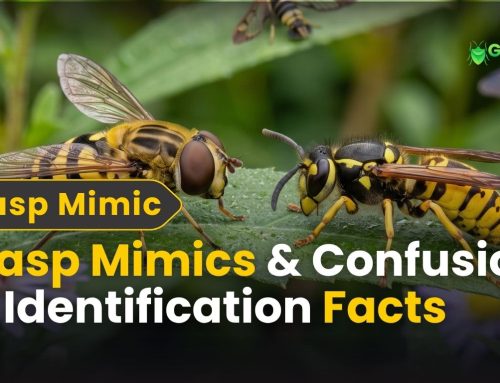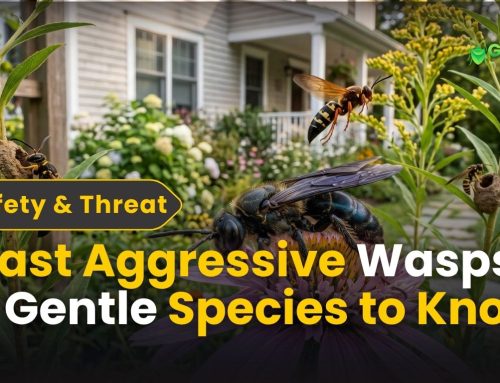
Wasps vs Hornets vs Yellow Jackets vs Bees: Key Differences Explained
You’re enjoying a quiet evening on your patio in Darien when you hear it—a sharp, aggressive buzz. A striped insect lands on your drink, and panic sets in. Is it a harmless bee looking for nectar, or a vicious yellow jacket ready to sting? Your kids are running nearby, and you have no idea whether to stay calm or run for cover.
Misidentifying these insects is more than just a nuisance—it’s a health hazard. Swatting at the wrong bug or treating the wrong nest can turn a minor annoyance into a life-threatening swarm attack in seconds.
Understanding the critical differences between Wasps vs Hornet vs Yellow Jacket vs Bees isn’t just trivia; it’s essential knowledge for keeping your Connecticut family safe. In this guide, we’ll break down exactly how to tell them apart, how their colonies behave, and what you must do to protect your home before a small problem turns into a dangerous infestation.
What Are the Key Differences Between Wasps vs Hornet vs Yellow Jacket vs Bees?
Let’s start with the big picture. When you break down the insect hierarchy, the distinctions become much clearer. According to Wikipedia’s guide to Hymenoptera, bees and wasps belong to the same order, but their biology, behavior, and threat levels are vastly different.
When we talk about wasps hornets, yellow jackets bees, we are actually talking about two main groups:
- Bees: Fuzzy, robust vegetarians that pollinate your flowers. They can only sting once.
- Wasps: Smooth, slender predators that hunt other insects. This group includes hornets and yellow jackets, and they can sting repeatedly.
Therefore, all hornets are wasps, and all yellow jackets are wasps—but not all wasps are hornets or yellow jackets. To truly master wasp and hornet ID in Connecticut, you need to look at the specific traits of each.
Bees vs. The Rest: Why Fuzzy Doesn’t Mean Dangerous
Let’s give bees the respect they deserve. Bees are the good guys. When you see a fuzzy, rounded insect slowly bouncing from flower to flower in your Greenwich garden, you are almost certainly looking at a honeybee or a bumblebee.
Key Bee Characteristics:
- Appearance: Covered in tiny, branched hairs (fuzzy). Robust, rounded body shape.
- Diet: Strict vegetarians. They feed on nectar and pollen.
- Sting: Barbed stinger. A honeybee can only sting once because the stinger gets stuck in your skin, tearing the bee’s abdomen and killing it.
- Behavior: Docile. They only sting if they feel their life or hive is in immediate danger.
Bees pose almost no threat to your backyard barbecue. They don’t want your hamburger; they want your marigolds. If you see a bee, leave it alone. If you are unsure what you are looking at, our bee vs wasp identification guide will help you spot the difference instantly.
Hornets vs Yellow Jackets vs Wasps: Breaking Down the Family Tree
Now we enter the danger zone. Wasps are the predators of the insect world. They have smooth, hairless bodies, thin waists, and a bad attitude when provoked. But when comparing hornets vs yellow jackets vs wasps, you need to know what makes each unique.
Paper Wasps
Paper wasps are the most common “generic” wasps you’ll see in Westport.
- Appearance: Slender bodies with a distinct, pinched waist. Long legs dangle below them during flight. Colors range from brown to red with yellow markings.
- Nests: They build small, open-comb, umbrella-shaped nests under eaves, porch ceilings, and deck rails.
- Aggression: Moderate. They will defend their nest if you get too close, but they won’t chase you across the yard.
Yellow Jackets
Yellow jackets are the aggressive scavengers that ruin late-summer picnics.
- Appearance: Compact, stocky bodies with bright, neon-yellow and black stripes. They look almost shiny.
- Nests: Usually build hidden nests underground or inside wall voids. A colony can house up to 5,000 individuals.
- Aggression: Extremely high, especially in late summer. They are drawn to human food, garbage, and sugary drinks.
Hornets
Hornets are the heavyweights of the wasp world.
- Appearance: Much larger than yellow jackets. In CT, bald-faced hornets are black with white facial markings, while European hornets are brown with orange-yellow accents.
- Nests: Build massive, enclosed, pear-shaped paper nests high in trees or on the sides of buildings.
- Aggression: Highly defensive. They will attack anything that comes within a few feet of their nest, and they can spray venom into the eyes of intruders.
For a much deeper look at these aggressive insects, check out our complete yellow jacket deep dive.
Yellow Jacket vs European Hornet: Which Is Invading Your Yard?
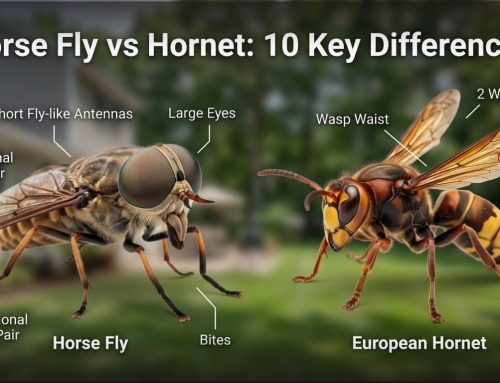
One of the most critical comparisons for Connecticut homeowners is the yellow jacket vs european hornet. Both are dangerous, but they require completely different strategies.
The Yellow Jacket:
- Size: ½ to ¾ inch.
- Color: Brilliant, bright yellow and black.
- Diet: Shifts from hunting insects in spring to scavenging sugar and meat in late summer. They will crawl into your trash cans and soda cans.
- Nesting: Prefers underground burrows or wall cavities. You often won’t see the nest until it’s too late.
- Threat: They are responsible for the vast majority of stings at outdoor gatherings. They are easily provoked and attack in swarms.
The European Hornet:
- Size: 1 to 1.5 inches—significantly larger and more intimidating.
- Color: Brown body with yellow-orange stripes on the abdomen.
- Diet: Primarily a predator. They hunt large insects like grasshoppers and other wasps. They are less interested in your picnic food.
- Nesting: Usually found in tree hollows, barns, or wall voids.
- Threat: They are large and loud, but actually less aggressive than yellow jackets—unless you threaten their nest.
If you see a massive wasp buzzing around your porch light at night, it is likely a European hornet, as they are known to be more nocturnal than other species. For more details on identifying these dangerous pests, read our guide on what color are wasps.
Take action before it spreads: If you spot either of these insects hovering near your home, don’t wait. A small nest can grow into a massive, dangerous colony in just weeks.
Inside the Colony: How Queens, Workers, and Drones Operate
To understand how to eliminate these pests, you have to understand how a colony works. The social structure of wasps hornets yellow jackets bees varies, but wasps, hornets, and yellow jackets share a similar, highly organized hierarchy.
The Queen
Every colony starts with a single queen. In the fall, newly mated queens find a sheltered spot—like a rotting log, a pile of leaves, or the siding of your Stamford home—for hibernation.
When spring arrives, she emerges, builds a tiny paper nest, and lays her first eggs. She forages for food and cares for the first batch of workers entirely on her own. Once the first workers mature, the queen never leaves the nest again. Her sole purpose is to lay eggs—up to 50 a day.
The Workers
Workers are sterile females. They do everything: expand the nest, hunt for food, feed the larvae, and defend the colony with their lives. Their lifespan is relatively short—usually just 2 to 4 weeks. Because they die off so quickly, the queen must continuously produce new workers to keep the colony thriving.
The Drones
In late summer, the queen produces males, called drones, and new queens. Drones exist for one reason: to mate. Once they mate with new queens in the fall, they die. Drones cannot sting.
As winter approaches, the old queen dies, the workers perish, and the newly mated queens seek shelter to start the cycle again. Understanding this lifecycle is crucial for timing your pest control. Our wasp and hornet ID guide for Connecticut offers seasonal tips to break this cycle.
Diet and Season: Why They Turn Aggressive in Late Summer
Have you ever wondered why you never see yellow jackets in June, but they are everywhere in August? The answer lies in their diet and the changing season.
Spring and Early Summer: The Protein Phase
During the first half of the year, the colony is focused on growth. The workers need protein to feed the developing larvae. They become voracious hunters, taking down caterpillars, flies, spiders, and other pests in your yard. During this time, they are beneficial and rarely bother humans.
Late Summer and Fall: The Sugar Phase
By August, the colony has peaked. The larvae have matured, and the workers no longer receive the sugary secretions the young provide. Suddenly, the workers are starving for carbohydrates. They shift their focus from hunting bugs to scavenging for sugar and meat.
This is when they invade your New Canaan backyard. They swarm your garbage cans, climb into your soda cans, and devour fallen fruit from your trees. They are desperate, aggressive, and willing to sting to get to your food.
Book a professional inspection: Don’t wait until your yard is overrun by desperate, stinging insects. Early intervention prevents late-summer chaos.
The Real Danger: Stings, Health Risks, and Property Damage
The threat posed by wasps hornets yellow jackets bees ranges from a minor annoyance to a severe medical emergency.
The Sting Difference
Bees leave their barbed stinger in your skin and die. Wasps, hornets, and yellow jackets have smooth stingers. They can pull out and sting you repeatedly. A single yellow jacket can inject venom 5, 6, or even 10 times in a matter of seconds.
Furthermore, when a yellow jacket or hornet stings, it releases an alarm pheromone. This chemical signal tags you as a threat and summons every other wasp in the area to attack. This is why one sting often turns into dozens.
Health Risks
For most people, a sting causes localized pain, swelling, and redness. But for 1-3% of the population, a sting can trigger anaphylaxis—a severe, life-threatening allergic reaction that causes airways to swell shut and blood pressure to drop. Even if you aren’t allergic, multiple stings can cause a toxic reaction requiring emergency room visits. The Centers for Disease Control and Prevention (CDC) recommends seeking immediate medical care if you experience difficulty breathing after a sting.
Property Damage
Yellow jackets nesting inside your wall voids are a nightmare. As the colony grows, they chew through drywall and insulation to expand their nest. Homeowners have woken up to find thousands of angry yellow jackets pouring into their living rooms because the colony broke through the wall.
Don’t let a hidden nest destroy your property and put your family at risk. Get rid of wasps and hornets fast today by relying on safe, effective solutions.
Why DIY Solutions Fail (And Put Your Family at Risk)
When you find a nest, your first instinct might be to grab a can of wasp spray from the hardware store or try a “natural” internet hack. This is a massive mistake.
Here is why DIY pest control almost always fails:
- You Can’t Reach the Nest: If yellow jackets are nesting inside your wall or 10 feet underground, spraying the entrance hole only kills a few guards. The queen and thousands of workers remain completely unharmed.
- Wrong Product Usage: Homeowners often use repellent sprays on wall nests. This causes the insects to panic, chew through the drywall, and swarm into your home.
- Alarm Pheromones: Approaching a nest without proper protective gear triggers the alarm pheromone. You won’t be fighting five wasps; you’ll be fighting thousands.
- Temporary Relief: Even if you kill a few foragers, the colony survives. The problem returns in days, often worse than before.
DIY methods offer temporary relief at best, and a trip to the emergency room at worst. You need a solution that is fast-acting, long-term, and safe for your family and pets.
Comparison Table: Wasps, Hornets, Yellow Jackets, and Bees
Use this quick-reference table to identify the insects buzzing around your Wilton property.
| Feature | Bees | Paper Wasps | Yellow Jackets | Hornets |
| Appearance | Fuzzy, robust | Slender, thin waist, long legs | Stocky, bright neon yellow/black | Large, robust, black/white or brown/orange |
| Diet | Nectar, pollen | Insects, nectar | Insects, meat, sugar, garbage | Insects, tree sap |
| Nest | Wax hives (hidden) | Open umbrella comb (exposed) | Enclosed (underground or wall voids) | Large enclosed paper ball (aerial) |
| Sting | Once (barbed) | Multiple (smooth) | Multiple (smooth, very aggressive) | Multiple (smooth, highly defensive) |
| Aggression | Low | Moderate | Very High | High near nest |
| Threat Level | Low | Moderate | Severe | Severe |
For a deeper look at identifying these differences, our wasp vs hornet comparison hub is an essential resource.
Customer Testimonials: Real Homes Saved in CT
The Wall Invasion in Stamford
“We kept hearing a faint scratching inside our bedroom wall. I sprayed wasp killer into the gap outside, and the next day, yellow jackets chewed through the drywall and flooded our room. It was terrifying. The professional team came out immediately, eliminated the colony, and sealed the entry points permanently. I shudder to think what would have happened if my toddler had been in that room.” — Mark J., Stamford, CT
The Ground Nest in Darien
“My husband was mowing the lawn and accidentally ran over a hole. Hundreds of yellow jackets exploded from the ground and stung him 15 times before he could make it inside. The team found the nest right next to our kids’ swing set. They handled it safely, and we can finally use our yard again.” — Sarah T., Darien, CT
The Patio Hornets in Westport
“Giant hornets were building a nest right above our back patio. We were too scared to go outside. The experts removed the nest safely and gave us tips to keep them from coming back next year. Fantastic, fast service.” — Lisa M., Westport, CT
Pro Tips for Protecting Your Connecticut Home
Keeping your home safe from wasps hornets yellow jackets bees requires a proactive approach. Here are expert recommendations to keep your property secure:
Your Prevention Checklist
- Seal Cracks and Gaps: Inspect your home’s siding, foundation, and window frames. Seal any openings with caulk or copper mesh.
- Secure Trash Cans: Yellow jackets love garbage. Use tight-fitting lids and wash bins regularly to remove sugary residue.
- Clean Up Food: Never leave sugary drinks, fruit, or meat unattended outdoors.
- Manage Landscaping: Trim bushes and trees away from your home. Remove fallen, rotting fruit from your yard immediately.
- Knock Down Early Nests: In April and May, check eaves and porches for small, golf-ball-sized nests. Knock them down before the colony grows.
- Use Decoy Nests: Yellow jackets and hornets are territorial. Hanging a decoy nest in spring can deter them from building nearby.
For more year-round prevention strategies, check out our guide on how to deter hornets from nesting in 2025.
FAQ: Your Top Questions Answered
How can I tell the difference between a wasp and a yellow jacket?
A yellow jacket is a specific type of wasp. They are distinguished by their stocky bodies and bright, neon-yellow and black stripes. Other wasps, like paper wasps, have slender bodies, a pinched waist, and are mostly brown or red.
Are hornets more aggressive than yellow jackets?
Hornets are highly defensive near their nests and will attack intruders with massive force. However, yellow jackets are generally considered more aggressive overall because they actively seek out human food and will sting unprovoked during late summer. Learn more about are hornets more aggressive than wasps on our site.
Do yellow jackets and hornets die in the winter?
Yes, the workers and the old queen die off as temperatures drop. However, newly mated queens survive the winter by hibernating in sheltered locations. These queens start new colonies in the spring.
Can bees sting multiple times?
Honeybees cannot; they die after stinging because their barbed stinger remains in the skin. However, wasps, hornets, and yellow jackets have smooth stingers and can sting multiple times.
What should I do if I find a nest on my property?
Do not approach it, do not try to remove it yourself, and do not plug the entrance hole. Walk away and contact a professional immediately. Plugging a hole often forces the insects to chew their way into your home.
What is the difference between a wasp and a hornet nest?
Paper wasps build open, umbrella-shaped combs. Hornets build large, enclosed, pear-shaped paper nests. Yellow jackets build enclosed nests but typically hide them underground or inside walls. Our guide on the difference between wasp and hornet nests provides visual examples.
Take Back Your Yard Today
You now have the knowledge to identify the exact insect buzzing around your home. You know that bees are docile pollinators, paper wasps are moderately defensive, yellow jackets are aggressive scavengers, and hornets are fiercely territorial giants.
But knowing the difference isn’t enough. A yellow jacket colony grows by the thousands every week. Hornets will aggressively defend their territory. If they’ve built a nest on your property, your family’s safety is on the line every single day you wait.
DIY sprays will only make them angry. You need a fast-acting, long-term solution that eliminates the entire colony and keeps your family and pets safe.
Whether you’re dealing with a hidden ground nest in Greenwich, a wall colony in Stamford, or an aerial hornet nest in New Canaan, we are ready to help.
Don’t wait until someone gets stung. Contact our expert pest control team today and reclaim your outdoor space.