How Ants Communicate Pheromones: Secret Signals Explained | CT Pest Guide
INTRODUCTION
You’re cleaning your Stamford kitchen Sunday morning when you notice something strange a perfectly straight line of ants marching across your counter like they’re following an invisible map. You spray them. They disappear. But by Monday evening, they’ve returned in even greater numbers, creating multiple highways across your kitchen.
This maddening cycle repeats because you’re not understanding the real problem. Those ants aren’t randomly wandering your home. They’re following invisible chemical signals you can’t see but they detect perfectly. Understanding how ants communicate pheromones transforms this mystery from frustration into actionable knowledge.
This comprehensive guide reveals the secret chemical language driving ant infestations across Connecticut. You’ll discover why pheromone communication makes ants so devastatingly effective at invading homes, why spray fails repeatedly, and why professional solutions succeed where DIY attempts falter. By understanding these secret signals, you’ll finally grasp why ants behave the way they do and why eliminating them requires strategy, not just chemicals.
Let’s decode the hidden world of ant communication.
THE PHEROMONE MYSTERY: UNDERSTANDING ANT CHEMICAL COMMUNICATION
What Are Pheromones and Why They Matter for Your Home
Pheromones are chemical signals ants produce and release into their environment. Unlike humans relying on spoken language, ants communicate almost exclusively through chemistry. This sophisticated chemical communication system is the foundation of their colony organization and the root cause of your infestation problems.
Here’s what makes pheromones so powerful: Individual ants possess minimal intelligence. A single worker ant cannot make complex decisions. But when pheromones coordinate millions of individual ants, they function almost like a single intelligent organism. This collective intelligence is what makes ant colonies so formidable.
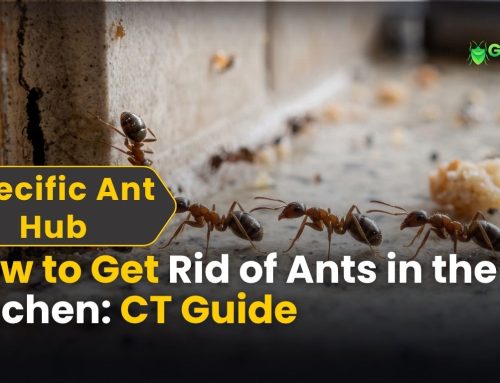
Think of pheromones as invisible highways. When a scout ant discovers food in your kitchen, it doesn’t rush back yelling “food this way!” Instead, it deposits a trail pheromone a specific chemical compound marking the path between food and the colony entrance. Other ants detect this chemical highway through specialized receptors on their antennae. Within hours, what started as a single explorer becomes an organized invasion.
This explains the ant trails you see. They’re not random wanderings. They’re chemical highways laid down by successful scouts recruiting thousands of others to exploit resources your home provides.
How Ants Detect Pheromones: The Sensory System
Ants don’t smell pheromones the way humans smell coffee. Instead, specialized chemoreceptor cells on their antennae directly detect chemical compounds. These receptors are so sensitive that they can detect pheromone concentrations at nearly imperceptible levels.
The sensitivity is remarkable. Some pheromones trigger behavior changes at concentrations of just a few molecules per million. This extraordinary sensitivity means ants detect resources and communicate instantaneously across vast colony networks.
When an ant follows a pheromone trail, it’s moving toward higher concentrations of pheromone. The trail acts like a gradient, getting stronger as the ant approaches the source. This chemical guidance system is so accurate that ants rarely get lost. They follow invisible highways with precision that would impress human engineers.
This understanding reveals why your home’s DIY control attempts fail. Killing ants walking the trail doesn’t eliminate the trail. The chemical markers remain active, recruiting replacement ants within hours.
THE DIFFERENT PHEROMONE TYPES: DECODING ANT SIGNALS
Trail Pheromones: Creating the Highways
Trail pheromones are the most visible ant communication affecting your home. These chemicals mark paths between colony and food sources. Different ant species use different trail pheromone compounds, but the function remains identical—creating chemical highways.
When a scout discovers food, it releases trail pheromone continuously while walking back to the colony. This creates a chemical pathway other ants can follow. As more ants use the trail, they add their own pheromone deposits, strengthening the signal. The trail becomes progressively more attractive, recruiting exponentially more ants in a self-reinforcing cycle.
This explains rapid infestation escalation. What begins as a single scout becomes a thousand-ant highway within 24 hours. The more ants use the trail, the stronger it becomes, attracting even more ants. This positive feedback loop is why kitchen ant problems escalate so dramatically once discovery occurs.
Trail pheromones persist for hours or even days, depending on environmental conditions. This persistence means even after you clean up the food source, the chemical trail remains active, recruiting new ants to investigate why their sisters are exploring this location.
Alarm Pheromones: Emergency Communication
Alarm pheromones function as emergency distress signals. When ants are threatened, crushed, or facing danger, they release alarm pheromones alerting nearby colony members. This triggers defensive behavior and increased aggression.
Here’s where understanding this chemical language reveals critical control strategy flaws: When you spray ants with insecticide, you trigger massive alarm pheromone release. The dying ants signal danger to surrounding ants. This alarm triggers recruitment of defensive soldiers and intensified foraging activity.
This explains a frustrating observation: after spraying visible ants, many people report MORE ants appearing, not fewer. Your control attempt backfired. The alarm pheromones you triggered with the spray recruit reinforcement instead of deterring ants.
Professional pest control accounts for this behavior. Professional solutions use approaches that eliminate colonies before triggering widespread alarm responses. This behavioral understanding is part of what makes professional intervention more effective than DIY spray approaches.
Recruitment Pheromones: Coordinating the Army
Recruitment pheromones summon help for large food discoveries. When a scout finds something too large to carry, it releases recruitment pheromones calling sister ants for assistance. Within minutes, dozens or hundreds of ants converge on the location.
This communication system enabled ants to become one of Earth’s most successful species. When one ant discovers a major food source, the entire colony mobilizes immediately. Resources aren’t lost due to individual-ant limitations. Instead, colony strength concentrates where it matters most.
For your home, this means a single cookie dropped on your floor triggers colony-wide mobilization. The recruitment signals spread through pheromone networks, summoning workers from throughout the colony. Within hours, thousands converge on this concentrated food source.
This is why prevention matters so much. Prevent food discovery and you prevent recruitment. Allow discovery and you’ll face recruitment-driven invasions exponentially larger than the initial problem.
Queen Pheromones: Colony Control
Queen pheromones maintain colony organization and suppress worker reproduction. The queen produces specific pheromones signaling her health, fertility status, and presence. These chemical signals prevent worker reproduction and ensure colony focus remains on survival and expansion rather than internal reproduction competition.
If the queen dies, her pheromone production ceases. Worker ants detect this chemical absence and reproductive hormones activate. Colony organization collapses as workers prioritize reproduction over coordinated labor.
This is why professional ant elimination focuses on queen elimination. Kill all visible workers but leave the queen alive, and you haven’t solved anything. The queen continues producing thousands of replacements indefinitely. Only eliminating the queen—the irreplaceable member collapses the entire colony.
Territorial and Recruitment Pheromones: Boundary Marking
Territorial pheromones mark colony boundaries and claiming resources. Ants deposit these chemicals around their foraging territory, effectively saying “this area belongs to our colony.” Other colonies detect these boundaries and typically respect them, avoiding conflict.
When ants discover your home, they begin marking it with territorial pheromones. This chemical claiming process establishes your home as part of their territory. Subsequent invasions from other colonies become less likely because territorial markers already claim this space.
This explains why established infestations are so difficult to eliminate. The colony hasn’t just found food—it has claimed your home as part of its territory. Removing the colony is necessary to remove these territorial claims.
WHY PHEROMONE COMMUNICATION CREATES PEST PROBLEMS
The Invasion Cycle Explained by Chemistry
Understanding how ants communicate pheromones reveals the exact sequence of infestation development.
Stage 1: Scout Discovery. A single scout ant enters your home through a gap invisible to human eyes. It systematically explores, following scent trails from previous ants, searching for resources. This initial exploration phase lasts hours.
Stage 2: Food Location. The scout discovers food—perhaps a crumb from yesterday’s snack. Most humans would overlook this microscopic food source. But to an ant, it represents significant nutrition. The scout begins investigating the food.
Stage 3: Chemical Broadcasting. The scout releases trail pheromones, marking the path between food and colony entrance. This chemical highway is invisible to you but unmissable to ants. The scout returns to the colony, completing the recruitment loop.
Stage 4: Rapid Recruitment. Other ants detect the trail pheromone and follow it directly to the food source. Each ant that travels the trail deposits additional pheromones, strengthening the signal. More ants arrive. They deposit more pheromones. The trail becomes increasingly attractive.
Stage 5: Exponential Growth. Within 12-24 hours, what began as one ant becomes hundreds. Within 48 hours, thousands. The trail is now a major highway with constant traffic. The colony has successfully established supply lines to your kitchen.
Stage 6: Permanent Territory. The colony marks your home with territorial pheromones. They’ve claimed this territory. Exploratory behavior expands. Satellite nests establish in wall voids. The infestation transitions from temporary foraging to permanent colonization.
This entire progression—from single scout to permanent colonization—can occur within 2-3 weeks. This rapid escalation is why early detection and immediate action prevent disasters.
Why Spray Fails Against Pheromone Communication
Conventional insecticide spray creates a false sense of success. You see ants die. The trail disappears. Problem solved, right?
Wrong. The pheromone trail remains active underneath your spray’s temporary effect.
Here’s what actually happens: Your spray kills visible ants and temporarily degrades some pheromones through chemical disruption. Visible ants disappear. You feel satisfied. But the chemical highways the trail pheromones marking your kitchen as a food source—remain largely intact.
Within 24-48 hours, the spray’s effect wears off. New ants emerging from the colony detect the still-active pheromone trails. They follow the same paths their sisters followed yesterday. They reach the same food sources. The colony has successfully replaced dead workers and reestablished supply lines.
This explains the maddening cycle of infestation. Each spray application creates temporary relief. Each relief period lasts only 24-48 hours. The problem never truly resolves because you’re addressing symptoms (visible ants) rather than causes (active pheromone system and existing colony).
Professional pest control understands this fundamental problem. Rather than spraying visible ants, professional solutions target the pheromone system itself. Professional-grade baits are designed specifically to be carried by ants back to the colony, disrupting internal communication and eliminating the queen. Eliminating the queen collapses the entire colony permanently.
REAL-WORLD EXAMPLES: PHEROMONE COMMUNICATION IN ACTION
The Greenwich Kitchen Crisis
A family discovered ants throughout their kitchen in April. They noticed a thin line of ants marching across the counter near the toaster. They grabbed the spray, applied it aggressively, and watched ants disappear. Success felt immediate.
But what they didn’t see: the pheromone trail remained active beneath the spray’s visible effects. Within 36 hours, new ants emerged from the colony and detected the unchanged chemical highways. The trails led directly to the toaster area, where food crumbs accumulated.
By the following week, the ant problem had worsened dramatically. The family sprayed again. Again, temporary relief. Again, return within 48 hours. After four failed spray applications over three weeks, they consulted professionals.
Professional assessment identified multiple satellite nests in wall voids—evidence of permanent colonization signaled by territorial pheromones marking the home as colony territory. Professional intervention required to eliminate the main colony plus all satellite nests. Complete elimination took two weeks. Prevention measures prevented reinfestation permanently.
This family learned expensive lessons about pheromone persistence and why spray fails repeatedly.
The Westport Prevention Success
A Westport homeowner learned about pheromone communication and prevention. Rather than waiting for infestation, they implemented comprehensive prevention: sealed entry points thoroughly, eliminated water sources, and maintained obsessive food cleanliness preventing any food discovery.
Three years later, zero ant problems. This proactive approach prevented all infestation before scouts could discover food and begin pheromone recruitment. The family never faced the invasion cycle because they broke it at Stage 1.
The Darien Bait Station Success
A Darien family with established kitchen infestation tried DIY spray unsuccessfully for two weeks. Then they consulted professionals who placed strategic bait stations directly along active pheromone trails where ants naturally traveled.
The baits were designed specifically to be carried back to the colony. Worker ants transported poisoned bait directly to the queen. Within 5-7 days, the queen died from the poison. Immediately, colony organization collapsed. Without the queen’s pheromones maintaining order, reproduction ceased and colony organization disintegrated.
Complete elimination occurred within one week. Follow-up inspections confirmed no surviving colony members. Prevention measures installed afterward prevented reinfestation.
WHAT THIS MEANS FOR CONTROLLING INFESTATIONS
Understanding Pheromones Changes Your Control Strategy
Knowing how ants communicate pheromones reveals why certain approaches work and others fail.
Spray-only approaches fail because they ignore the pheromone system. You kill workers without disrupting chemical communication. The infestation persists and escalates.
Bait-based approaches succeed because they target the colony source. Baits are carried back through pheromone-marked pathways directly to the queen. Worker ants are simply messengers—killing the queen collapses the entire system.
Prevention approaches work because they prevent the entire pheromone communication cycle before it begins. If scouts never discover food, they never release trail pheromones. If they never mark trails, recruitment never happens. Prevention stops infestations at their source.
This understanding explains why professional solutions combine multiple approaches:
Baits eliminate the queen and main colony. Sprays address satellite nests and exposed populations. Sealing entry points prevents new scouts from entering. Food source elimination removes attractants. Prevention measures prevent future discovery and recruitment.
Professional approaches work comprehensively because they account for pheromone communication throughout the strategy.
EXPERT RECOMMENDATIONS FOR PHEROMONE-BASED CONTROL
Professional Tips Based on Understanding Ant Communication
Bait placement matters more than product selection. Baits must be positioned directly along active pheromone trails where ants naturally travel. Haphazard placement achieves nothing. Ants ignore baits if they can find food elsewhere. Strategic placement ensures bait discovery along normal travel routes.
Patience matters during bait treatment. You may see increased ant activity during the first 3-5 days of bait treatment. This increase means baits are working—ants are recruiting other colony members to the poison source. This increased activity looks like the infestation is worsening when actually it’s being eliminated from inside.
Eliminate alternative food sources during bait treatment. If your kitchen remains full of accessible food, ants may ignore baits. Remove all food sources so baits become the primary foraging discovery. This ensures bait-carrying behavior.
Identify species correctly. Different species use slightly different pheromone systems. What works for sugar ants fails for carpenter ants. Professional species identification enables targeted approaches.
Don’t panic if initial spray application seems to make problems worse. The alarm pheromones triggered by spray temporarily increase visible ant activity. This appears to worsen the problem when actually it’s part of the elimination process.
COMPARISON TABLE: CONTROL APPROACHES EVALUATED
| Approach | How It Works | Pheromone Impact | Effectiveness |
| Spray Only | Kills visible ants | Ignores pheromone system | Temporary relief only |
| Bait Stations | Delivered to queen | Disrupts communication internally | Permanent colony elimination |
| Sealing | Prevents entry | Prevents trail establishment | Prevents future invasions |
| Food Elimination | Removes attractants | No trail recruitment | Prevents discovery |
| Combined Professional | Multiple approaches | Eliminates entire system | Permanent with prevention |
FAQ: PHEROMONE COMMUNICATION QUESTIONS
Understanding How Ants Communicate
How far can pheromones travel and how quickly do ants detect them?
Trail pheromones typically travel a few centimeters from the marking ant. However, pheromone concentrations increase along the trail, creating a gradient guiding ants toward the source. Ants detect pheromones almost instantly through chemoreceptors on their antennae. This allows colony-wide communication within minutes of discovery.
Do all ant species use the same pheromones?
Different species use slightly different pheromone compounds. While the function remains similar (trail marking, recruitment, alarm), the specific chemistry varies. This variation is why professional pest control requires species identification for effective treatment.
How long do pheromone trails persist if the food source is removed?
Trail pheromones typically persist 6-24 hours depending on environmental conditions (humidity, temperature, weathering). Even after food is removed, these chemical markers remain active, recruiting new ants to investigate. This is why simply cleaning up spills doesn’t eliminate ant problems the chemical trails persist.
Can pheromones be removed with cleaning products?
Most household cleaners don’t effectively remove pheromone trails. Water-based cleaners may temporarily degrade some pheromones through dilution, but trace amounts typically survive. Alcohol-based cleaners work somewhat better, but thoroughly removing all pheromones is nearly impossible without professional-grade solutions.
Why do ants return to the same locations repeatedly?
Ants return because pheromone trails remain active marking these locations as food sources. Territorial pheromones also mark your home as colony territory worth defending and expanding. These chemical markers persist until the colony is eliminated completely.
How do professional baits disrupt pheromone communication?
Baits are designed to be transported back to the colony through pheromone-marked pathways. Worker ants carry poisoned bait directly to the queen, eliminating her. Without the queen’s pheromone production maintaining order, colony organization collapses instantly.
YOUR ACTION CHECKLIST: PREVENTING PHEROMONE-BASED INVASION
Steps to Stop Ants Before Pheromone Communication Begins
Immediate Prevention: Eliminate all accessible food sources in the kitchen and dining areas
Seal food in airtight containers, preventing scout discovery
Clean food preparation areas thoroughly after every use
Remove trash immediately, preventing attractants
Fix water leaks and reduce moisture sources
Entry Point Sealing: Inspect the foundation perimeter for visible cracks and gaps
Seal entry points comprehensively, preventing scout access
Seal gaps around pipes and utility penetrations
Check window and door seals for damage
Install door sweeps to prevent entry through the bottom gaps
Professional Assessment: Schedule a professional pest inspection to identify vulnerabilities
Ask about prevention strategies specific to your property
Understand which ant species pose the greatest risk in your area
Get recommendations for ongoing monitoring and prevention
Monitoring and Detection: Check the kitchen weekly for early scout ant activity
Inspect the basement and crawl spaces quarterly
Note any ant activity immediately and report to professionals
Maintain clean conditions, preventing food discovery
TAKE ACTION NOW: STOP INFESTATIONS BEFORE PHEROMONES ESTABLISH
Understanding how ants communicate through pheromones means you understand the seriousness of even minor ant problems. A single scout today becomes thousands tomorrow through pheromone recruitment. A small kitchen problem becomes home-wide colonization through territorial marking.
Your Greenwich, Stamford, Darien, New Canaan, Wilton, or Westport home faces genuine risk if you ignore early warning signs.
Contact professionals immediately if you’ve discovered any ant activity. Early intervention prevents the pheromone-driven escalation that turns minor problems into disasters. Every day of delay allows the communication system to strengthen and recruitment to accelerate.
Implement prevention strategies now even without current infestation. Seal entry points. Eliminate food attractants. Monitor regularly. Prevention always beats treatment because it stops the pheromone invasion cycle before it begins.
Book your professional assessment today. Let professionals understanding pheromone communication eliminate your infestation comprehensively. Your Connecticut home deserves better than repeated spray treatments and worsening infestations. Professional intervention stops the problem permanently.