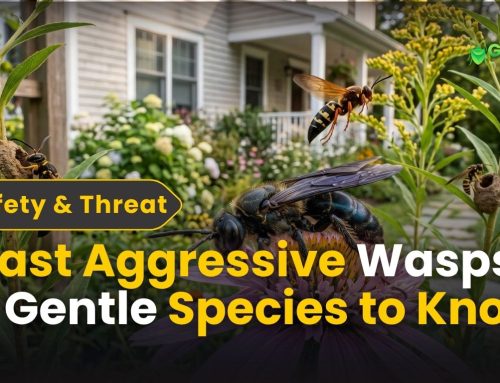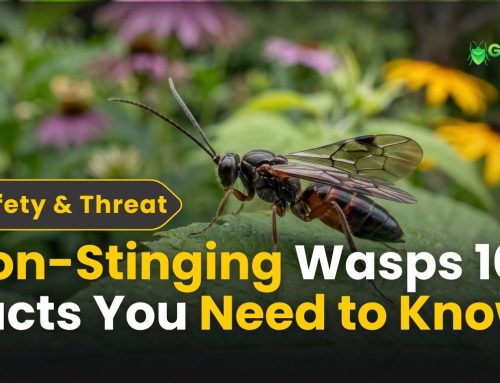
Wasp & Hornet Behavior: ID, Nesting & Prevention Guide
Introduction: That Buzzing Near Your Backdoor Isn’t Just Annoying — It’s a Warning
It started as one or two wasps circling your patio furniture. You swatted them away, thought nothing of it, and went back inside. Three weeks later, your kids can’t play in the backyard without running back inside screaming. Your summer BBQ got canceled. And now there’s a football-sized nest hanging from your eave that definitely wasn’t there last month.
Sound familiar?
If you live in Greenwich CT, Stamford CT, Darien CT, New Canaan CT, Wilton CT, Westport CT, or anywhere across Connecticut, you’ve likely dealt with wasps or hornets at some point. And here’s the hard truth most people don’t know: what you do in the first few weeks determines whether you have a manageable situation or a full-blown infestation.
This Wasp & Hornet Behavior Hub is your complete, 2026-updated guide to understanding exactly what these stinging insects are doing, why they’re doing it, and most importantly what you can do to protect your home, your family, and your peace of mind.
We’ll cover everything: colony structure, queen behavior, diet, hibernation, lifespan, nocturnal patterns, seasonal activity, aggression triggers, territorial behavior, and the predators that eat them. By the end of this guide, you’ll know more about wasp and hornet behavior than most homeowners ever will and you’ll know when it’s time to call in the professionals.
Let’s dive in:
What Are Wasps and Hornets? A Quick Behavioral Overview
Before we get into the deep details of the Wasp & Hornet Behavior Hub, let’s establish the basics. Wasps and hornets are both members of the order Hymenoptera, and while they share similarities, their behaviors, nesting habits, and aggression levels differ significantly.
Most people use “wasp” and “hornet” interchangeably, but that’s like calling all dogs “German Shepherds.” There are critical differences especially if you’re dealing with an infestation on your property.
According to the University of Connecticut Extension, Connecticut is home to several stinging insect species, including yellow jackets, European hornets, bald-faced hornets, paper wasps, and mud daubers. Each behaves differently, and that matters enormously when you’re trying to prevent or eliminate a nest.
For a deeper look at specific species found in Connecticut, check out this comprehensive wasp and hornet identification encyclopedia for Connecticut that breaks down every species you’re likely to encounter in our region.
The Colony: How Wasp and Hornet Societies Are Structured
What Is a Wasp or Hornet Colony?
A colony is essentially a highly organized society of stinging insects, structured around reproduction and survival. Understanding colony dynamics is the first step to understanding why these insects behave the way they do.
Most social wasps and hornets live in eusocial colonies, meaning they have:
- A single reproductive queen
- Sterile female workers
- Male drones (produced seasonally)
The colony functions as a superorganism. Every individual has a role, and the survival of the whole group takes priority over any individual member. This is exactly why disturbing a nest triggers such an aggressive, coordinated response — you’re not just threatening one insect, you’re threatening the entire colony.
How Large Can a Colony Get?
Colony size varies dramatically by species:
| Species | Average Colony Size | Peak Season |
| Paper Wasp | 20–75 workers | Late summer |
| Yellow Jacket | 1,000–5,000 workers | Late summer/fall |
| Bald-Faced Hornet | 400–700 workers | Late summer |
| European Hornet | 300–1,000 workers | Late summer |
By late summer typically August through October in Connecticut — colonies are at their absolute largest and most defensive. This is when stinging incidents spike dramatically in Stamford, Westport, Greenwich, and throughout Fairfield County.
Don’t wait for the colony to grow. A nest that has 10 workers in June will have 500+ by August. Act early, act smart.
The Queen: The Heart of Every Wasp and Hornet Colony
What Does the Queen Do?
The queen is the founding member and reproductive engine of the entire colony. In spring, a single mated queen emerges from hibernation and begins the entire colony-building process completely alone.
Here’s what that process looks like:
- Spring emergence: The queen wakes from hibernation (usually April–May in Connecticut)
- Nest founding: She selects a nesting site and begins building the first few cells from chewed wood pulp
- First brood: She lays eggs and raises the first generation of workers entirely on her own
- Colony expansion: Once workers emerge, they take over foraging and nest building while the queen focuses on egg-laying
- Reproductive phase: In late summer, the queen produces new queens and males for the following year
The queen is irreplaceable. If she dies early in the season, the colony typically collapses. This is why professional pest control strategies often focus on targeting the queen and the core nest structure not just the workers you can see flying around.
How Long Does a Queen Live?
A wasp or hornet queen typically lives for about one year, though the mated queens that survive winter can live slightly longer. Worker wasps, by contrast, live only 12–22 days on average. The stark difference in lifespan between the queen and her workers is one of the most fascinating aspects of wasp behaviour.
Wasp and Hornet Diet: What Are They Actually Eating?
What Do Wasps Eat?
Here’s something most people don’t realize: wasps are actually beneficial predators for most of the season. Their diet shifts depending on the time of year and their colony’s needs.
Spring and early summer:
- Insects (flies, caterpillars, spiders, aphids)
- High-protein foods to feed developing larvae
- Workers hunt actively to support the colony’s growth
Late summer and fall:
- Sugary foods and fermented fruit
- Nectar and sweet liquids
- Human food (this is when they become pests at your BBQ)
This dietary shift is critical to understanding wasp behaviour. As the season progresses and the colony’s larval population declines, workers lose their primary food source (larvae secrete a sugar-rich substance that workers feed on). This drives them to seek out carbohydrates and sugars — which is exactly why your soda can becomes a target in August.
What Do Hornets Eat?
Hornets are primarily carnivorous predators. The European hornet, common in Connecticut, preys on large insects including:
- Grasshoppers
- Flies
- Dragonflies
- Bees
- Other wasps
This brings up a common question people ask…
Do Hornets Eat Wasps?
Yes hornets do eat wasps. This is not a myth. European hornets and other large hornet species will actively hunt and kill smaller wasp species. They’re apex predators in the insect world, and smaller wasps are fair game.
Bald-faced hornets, despite being classified as a type of yellow jacket, will also opportunistically prey on other small insects including paper wasps. This predatory behavior is one reason why hornet colonies are considered more dangerous than typical wasp colonies they’re aggressive, territorial, and well-armed.
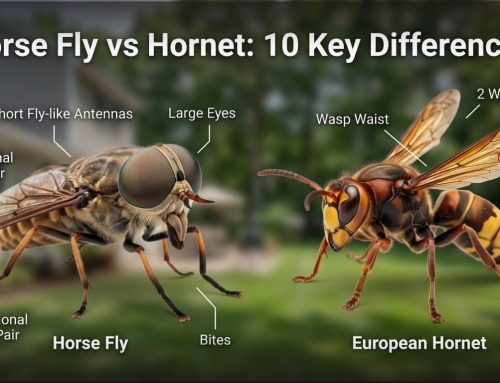
For a detailed comparison of these species, visit our wasp vs hornet comparison hub for Connecticut to understand exactly what you’re dealing with.
Hibernation: Where Do Wasps and Hornets Go in Winter?
Do All Wasps Hibernate?
This is one of the most misunderstood aspects of wasp behaviour. The answer is: not exactly. Here’s what actually happens.
In late fall (typically October–November in Connecticut), the following occurs:
- Workers and males die — They cannot survive the winter cold
- New queens mate — Newly produced queens mate with males before the colony dies off
- Mated queens seek shelter — They find protected spaces to overwinter
These mated queens enter a state called diapause — an insect equivalent of hibernation. They tuck themselves into:
- Beneath tree bark
- In rotting logs
- In wall voids and attic spaces
- Under leaf litter
- Inside your home (yes, really)
This is a critical point for homeowners in New Canaan, Darien, and Wilton: If a queen overwinters inside your walls, she may emerge in spring directly inside your living space. This is far more common than most people realize.
When Do They Wake Up?
Queens typically emerge from diapause when temperatures consistently reach 50–55°F (10–13°C). In Connecticut, this usually means late March through April, depending on the year.
Once she’s out, she’s immediately looking for a nesting site. This is your window of opportunity before a colony is established, prevention and early intervention are dramatically easier.
Lifespan: How Long Do Wasps and Hornets Actually Live?
Understanding lifespan helps explain a lot about wasp and hornet behavior, especially their end-of-season aggression.
| Caste | Typical Lifespan |
| Queen | 10–12 months (1 year cycle) |
| Worker (female) | 12–22 days |
| Male (drone) | 2–6 weeks (dies after mating) |
| Colony (overall) | 1 season (annual cycle) |
One important exception: European hornets queens and colonies can be slightly longer-lived in warmer conditions.
The short lifespan of workers explains why colonies must continuously produce new workers throughout the season. By late summer, the queen is laying eggs at maximum capacity, which is why August colonies are so much larger and more aggressive than May colonies.
Are Wasps Nocturnal? When Are They Least Active?
Do Wasps and Hornets Fly at Night?
Most wasp species are not nocturnal they are diurnal, meaning they are active during daylight hours. However, there is an important exception.
European hornets are the most nocturnal of common stinging insects. They are regularly observed flying and foraging at night, especially near lights. If you’ve ever had a large, loud insect crashing into your porch light after dark, there’s a good chance it was a European hornet.
According to the Connecticut Agricultural Experiment Station, European hornets are uniquely adapted for low-light activity and are one of the few wasp species you might encounter after sundown.
When Are Wasps Least Active?
This is one of the most searched questions in our Wasp & Hornet Behavior Hub, and for good reason knowing when wasps are least active is crucial if you need to work near a nest.
Wasps and hornets are least active:
- At night (for most species, after dark)
- During cold temperatures (below 50°F/10°C)
- On rainy or overcast days (reduced foraging)
- Early morning, before sunrise (before temperatures warm)
- In winter (workers are dead; queens are dormant)
Pro Tip: If you need to observe or work near a nest, dawn or dusk on a cool day is your safest window. But don’t mistake “less active” for “safe.” Even a single disturbed nest can trigger stings in low-activity periods. Always maintain a safe distance.
For professional nest removal in Connecticut, our team at Green Pest Management provides immediate hornet control in CT with safe, effective treatments.
Seasonal Activity: When Is Wasp & Hornet Season in Connecticut?
Understanding the season is critical for effective prevention and management. Here’s your month-by-month breakdown for Connecticut specifically:
Spring (March–May): The Queen Awakens
- Overwintered queens emerge from diapause
- Queens scout for nesting sites — eaves, attics, shrubs, ground
- Small founding nests begin construction
- Action point: This is the best time to seal entry points and remove small founding nests
Early Summer (June–July): Colony Growth Phase
- Worker population expands rapidly
- Nest grows in size often not yet visible to the untrained eye
- Workers forage primarily for protein (insects)
- Aggression is relatively moderate
- Action point: If you spot a nest, NOW is the time to address it professionally
Late Summer (August–September): Peak Season Maximum Danger
- Colony reaches maximum size
- Workers shift to sugary diet — become aggressive scavengers
- Nest defensiveness is at its highest
- Most sting incidents occur during this period
- Action point: Do NOT attempt DIY nest removal. Call professionals immediately
Fall (October–November): Colony Collapse
- Workers begin dying off
- New queens and males emerge for mating flights
- Queens seek overwintering sites
- Foraging wasps become increasingly desperate and aggressive
- Action point: Seal your home against overwintering queens
Winter (December–February): Dormant Period
- Workers are dead; only mated queens survive
- Queens in diapause in protected locations
- No active nests to manage
- Action point: Inspect and seal your home’s exterior before spring
Nesting Behavior: Where Do Wasps and Hornets Build Their Nests?
Common Nesting Sites in Connecticut Homes
Different species have dramatically different nesting preferences. Knowing what you’re dealing with helps identify the right treatment approach.
Aerial Nests (Above Ground):
- Bald-faced hornets — Tree branches, shrubs, building overhangs (paper nests)
- Paper wasps — Eaves, porch ceilings, window frames
- European hornets — Tree hollows, wall voids, attic spaces
Ground Nests:
- Yellow jackets — Abandoned rodent burrows, soil crevices, under decking
- Ground-nesting wasps — Open soil, lawns, garden beds
The materials also differ. Most social wasps build nests from chewed wood pulp mixed with saliva, creating a papery gray material. Yellow jackets often build underground in existing cavities.
For a detailed breakdown of the difference in nest structures, read our guide on the difference between wasp and hornet nests it’s eye-opening.
Important warning for homeowners: If you suspect a ground nest in your yard in Greenwich, Westport, or Stamford, do not attempt to dig it out or pour water into it. Ground yellow jacket colonies can contain thousands of workers and respond to vibration triggers a lawnmower passing overhead can trigger a mass sting event.
Our team specializes in ground hornet treatment in CT don’t risk it alone.
Aggression: Understanding Why Wasps and Hornets Attack
What Triggers Wasp and Hornet Aggression?
This is the core of wasp behaviour that most people get wrong. Wasps and hornets don’t attack randomly. Every sting event has a trigger and understanding those triggers can literally save you from a hospital visit.
Primary aggression triggers:
- Proximity to the nest — Getting within the “threat zone” (varies by species; hornets may react 10–20 feet away)
- Vibration — Mowing, hammering, running nearby
- Sudden movements — Swatting, flailing arms
- Scent — Sweet perfumes, certain sunscreens, floral shampoos
- Carbon dioxide — Your breath can trigger defensive responses at close range
- Dark colors — Dark clothing may trigger defensive instincts
- Crushing a worker — Releases alarm pheromone, recruiting nearby workers to attack
Secondary triggers (behavioral escalators):
- High temperatures (hot days increase aggression)
- Late season desperation (food scarcity in fall)
- Previous disturbance of nest
- Rain (trapped workers become defensive)
Are Hornets More Aggressive Than Wasps?
This is a nuanced question. The answer depends on the species and the context.
Generally:
- Yellow jackets are considered the most aggressively defensive of common species, especially when nesting in the ground
- Bald-faced hornets are extremely aggressive when the nest is disturbed
- European hornets, while large and intimidating, are actually somewhat less prone to unprovoked attack than yellow jackets
- Paper wasps are relatively docile unless directly threatened
However, any stinging insect will become highly aggressive when their colony is threatened. The key variable isn’t just species — it’s context.
Read more about this topic in our detailed analysis: are hornets more aggressive than wasps?
Are Hornets Territorial?
Yes hornets are territorial, and this is one of the most important behavioral facts to understand.
Hornets, particularly bald-faced hornets and European hornets, establish and defend a territory around their nest. This territory varies in size but can extend several feet to several meters from the nest entrance.
Within this zone, workers actively patrol. Anything perceived as a threat — a person, a dog, even a lawnmower may be attacked. Unlike bees (which can only sting once), wasps and hornets can sting repeatedly and do not lose their stinger.
This territorial aggression is especially dangerous because:
- The threat zone is invisible you may not know you’ve crossed it
- Multiple workers respond simultaneously due to pheromone alarm signals
- Hornets can pursue perceived threats for significant distances
- Some individuals may experience anaphylactic reactions requiring emergency treatment
If you or someone in your home has been stung and experienced swelling beyond the sting site, difficulty breathing, or dizziness, seek emergency medical attention immediately. For sting treatment guidance, see our article on treatment of hornet stings.
What Eats Wasps and Hornets? Natural Predators
What Eats Wasps and Hornets?
Despite their fearsome reputation, wasps and hornets do have natural predators. Understanding this can inform both appreciation for local ecosystems and practical pest management approaches.
Natural predators of wasps and hornets include:
Birds:
- European starlings — Known to attack and consume wasps
- Common nighthawks — Aerial insect hunters that take wasps in flight
- Blackbirds and robins — Occasionally take wasps from the ground
- Honey buzzards — Specialized predators of wasp nests (more common in Europe but relevant to understanding behavior)
Insects and Arachnids:
- Praying mantis — Ambush predators that catch wasps on flowers
- Dragonflies — Aerial hunters capable of catching wasps in flight
- Robber flies — Aggressive fly predators that attack and kill wasps
- Spiders — Various orb-weaver spiders catch wasps in webs
Mammals:
- Badgers and skunks — Dig up ground nests to eat larvae and adults
- Bears — Will tear apart aerial nests for the larvae (high protein food)
- Raccoons — Occasionally raid accessible nests at night
According to Wikipedia’s article on wasps, the predator community of wasps is remarkably diverse, reflecting the wasp’s widespread global distribution and ecological role.
The important takeaway: Natural predation alone is not sufficient to control an established colony near your home. Predators may reduce individual forager numbers but will not eliminate a nest of hundreds or thousands of workers.
Why DIY Wasp and Hornet Control Fails (And What You Should Do Instead)
Let’s be direct: most DIY wasp and hornet control fails. Not because homeowners aren’t capable, but because the approach is fundamentally flawed.
Common DIY Mistakes
- Spraying visible wasps without treating the nest
You might kill 20 workers, but the queen is laying 100 eggs per day. You’ve accomplished nothing meaningful. - Knocking down an empty-looking nest
What looks empty often isn’t. Workers are inside, resting. Disturbing the structure triggers an immediate defensive response. - Sealing nest entrances
This is particularly dangerous. Blocking the entrance traps hundreds of workers inside with no escape. They will find another exit which may be inside your home. - Using the wrong products
General insecticide sprays may repel workers but fail to penetrate the nest and reach the queen. Without eliminating the queen, the colony rebuilds. - Treating at the wrong time
Mid-day treatment when workers are most active dramatically increases sting risk. - Incomplete treatment
Leaving any portion of the nest untreated allows the colony to recover.
Why Professional Treatment Works
Our team at Green Pest Management’s hornet exterminator services provides:
Correct species identification — Treatment varies by species
Proper timing — Treatments applied at optimal times for maximum effectiveness
Appropriate products — Professional-grade products that penetrate nests and eliminate queens
Safe removal — Physical nest removal without triggering defensive swarms
Prevention advice — Guidance to prevent re-infestation
Family and pet-safe approaches — Minimizing chemical exposure
Don’t gamble with your family’s safety. Contact our Connecticut pest management team today for a professional assessment.
How to Identify What You’re Dealing With
Wasp vs. Hornet: Key Identification Points
Knowing what species you’re facing is step one. Here’s a quick identification table:
| Feature | Paper Wasp | Yellow Jacket | Bald-Faced Hornet | European Hornet |
| Size | 0.75–1.25 in | 0.5–0.75 in | 0.75–1 in | 1–1.5 in |
| Color | Brown/orange/yellow | Black & yellow | Black & white | Brown/yellow/black |
| Nest Location | Eaves, open structures | Ground, wall voids | Trees, shrubs, buildings | Trees, wall voids |
| Aggression | Moderate | Very high | High | Moderate-high |
| Nocturnal? | No | No | Somewhat | Yes |
For a complete visual guide to Connecticut species, visit our wasp and hornet identification guide for Connecticut with photos and detailed descriptions.
If you’re still not sure whether you have a wasp or a hornet, our comprehensive wasps vs. hornets Connecticut comparison will help you figure it out quickly.
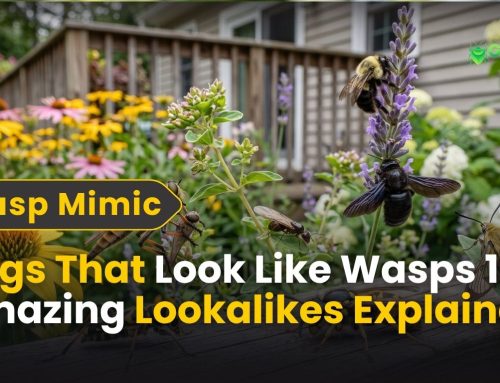
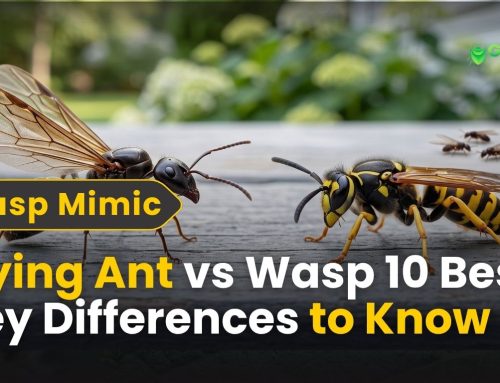
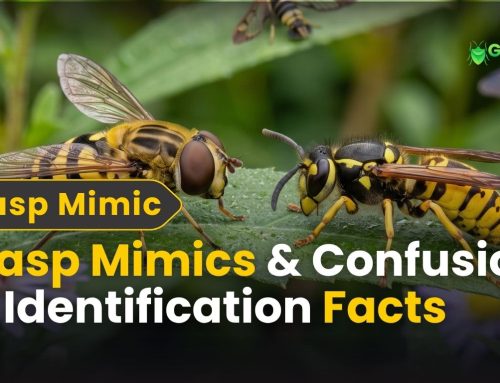
You might also be looking at something that looks like a wasp but isn’t — hover flies, cicada killers, and other insects commonly get mistaken for stinging wasps. Our guide to flying insects that look like wasps is a must-read if you’re not 100% sure.
Prevention: How to Keep Wasps and Hornets Away From Your Property
Proactive Prevention Strategies for Connecticut Homeowners
Prevention is always better than treatment. Here’s your complete prevention checklist for 2026:
Structural Prevention:
- Seal all gaps, cracks, and crevices in exterior walls, soffits, and eaves
- Install fine mesh screening over vents and attic openings
- Repair or replace damaged wood siding (nesting material source)
- Caulk around window frames and door frames
- Check and seal spaces where utility lines enter the home
Yard and Garden Prevention:
- Remove fallen fruit from around fruit trees promptly
- Keep trash cans tightly sealed with locking lids
- Clean recycling bins regularly (sweet residue attracts foragers)
- Cover outdoor food and drinks during outdoor activities
- Remove or relocate bird feeders (sweet nectar and seeds attract wasps)
- Fill abandoned rodent burrows (prime ground nesting sites)
- Trim overhanging branches and dense shrubs near structures
Early Detection:
- Inspect your property perimeter monthly starting in April
- Check eaves, overhangs, and shutters weekly during spring
- Look for founding queen activity in early spring (single wasp building a tiny nest)
- Monitor for forager activity patterns (workers returning to one spot repeatedly)
Deterrence Methods:
- Fake nest decoys — Some species avoid areas where other colonies exist (variable effectiveness)
- Peppermint oil applications on potential nesting sites (temporary deterrent)
- Remove wood piles or decorative wood structures that attract nest-building queens
For more detailed prevention strategies, read our guide on how to deter hornets from nesting in 2025.
The Yellow Jacket Problem: Connecticut’s Most Dangerous Stinging Insect
Yellow jackets deserve special mention in any Wasp & Hornet Behavior Hub because they account for the majority of serious sting incidents in Connecticut every year.
Why are yellow jackets so dangerous?
- Ground nesting — Their nests are often invisible until you’re right on top of them
- Vibration sensitivity — Lawnmowers, trimmers, and foot traffic trigger defensive swarms
- Extreme colony size — Colonies of 5,000+ are not uncommon by late summer
- Late-season aggression — August through October, yellow jackets become intensely aggressive as food scarcity increases
- Multiple stings — A single yellow jacket can sting multiple times, and the alarm pheromone recruits dozens of nestmates
Our comprehensive yellow jacket deep dive guide covers everything you need to know about this specific species, including identification, nesting behavior, and professional treatment options.
Real Stories From Connecticut Homeowners (Customer Experiences)
Stamford, CT The Invisible Ground Nest
“We had no idea there was a yellow jacket nest in our backyard until my husband was mowing the lawn. Within seconds he was stung eight times and had to go to urgent care. Green Pest Management came out the next day, located the ground nest, and treated it properly. Two days later, it was completely resolved. We had no idea these things could get that serious that fast.”
— Maria T., Stamford CT
Greenwich, CT The Attic Queen
“We started hearing buzzing in our walls in May. By July, we had an active hornet nest inside our attic wall. The team identified it as a European hornet colony, removed it safely, and sealed the entry point. They explained that a queen had overwintered in our wall from the previous fall. We never would have figured that out on our own.”
— James R., Greenwich CT
Westport, CT The Back Porch Paper Wasp Disaster
“I tried to knock down what looked like a small paper wasp nest with a broom. Big mistake. I got chased across the yard and stung four times. Called Green Pest Management, they came out, treated the nest at night, and removed it completely. They also found two other small founding nests I hadn’t noticed. So glad I called professionals.”
— Sandra K., Westport CT
Pro Tips From Connecticut Pest Control Experts
Here’s what our experienced technicians want every Connecticut homeowner to know about wasp and hornet behavior:
Pro Tip 1: The first wasp is never alone.
If you see a single wasp repeatedly flying to the same spot on your eave or wall, it’s either a forager reporting back to a nearby nest or a founding queen starting one. Don’t ignore it.
Pro Tip 2: Nest size is always bigger than you think.
A paper nest the size of a tennis ball may look small, but it can house 50–100 workers. By next month, it’ll be softball-sized with 200. Don’t underestimate.
Pro Tip 3: Never treat a nest in direct sunlight with workers present.
If you attempt any treatment at all, do it after dark when workers are inside the nest. This dramatically reduces sting risk.
Pro Tip 4: End-of-season doesn’t mean end of danger.
Many homeowners relax in October thinking the season is over. In reality, fall wasps are at their most desperate and aggressive. October sting incidents are extremely common in Connecticut.
Pro Tip 5: Treat the cause, not the symptom.
Killing individual wasps doesn’t solve the problem. Until the nest is eliminated and the queen is dead, the colony continues.
Wasp and Hornet Stings: Risks and When to Seek Help
Understanding the Health Risk
Most wasp and hornet stings cause localized pain, swelling, and redness that resolves within hours. However, for a significant portion of the population, stings pose serious medical risks.
According to the CDC, approximately 90–100 people in the United States die from bee, wasp, and hornet stings annually, primarily due to anaphylactic reactions.
Seek emergency medical attention if you experience:
- Swelling beyond the sting site (especially face, throat, or tongue)
- Difficulty breathing or swallowing
- Dizziness or rapid heartbeat
- Nausea or vomiting following a sting
- Multiple stings (50+ stings can be medically significant even without allergy)
For a comparison of sting severity between species, read our hornet sting vs. wasp sting comparison guide.
Comparison: DIY vs. Professional Wasp & Hornet Control
| Factor | DIY Treatment | Professional Treatment |
| Species identification | Often incorrect | Accurate every time |
| Product effectiveness | Consumer-grade | Professional-grade |
| Queen elimination | Rarely achieved | Targeted approach |
| Safety risk | High | Minimized with PPE |
| Recurrence | Common | Rare with prevention advice |
| Time to resolution | Days–weeks | Often 24–48 hours |
| Cost of failure | Medical bills + re-treatment | First-time success |
The math is simple: professional treatment is safer, faster, and more effective. Don’t risk your health or your family’s safety on a problem that requires expertise.
Book your professional inspection with Green Pest Management today — serving Greenwich, Stamford, Darien, New Canaan, Wilton, Westport, and all of Connecticut.
Related Pest Concerns: When Wasps Aren’t Your Only Problem
If you’re dealing with wasps and hornets, you may also be dealing with other pest issues that share similar environmental conditions.
Fruit flies, for example, are often drawn to the same sweet, fermenting organic matter that attracts late-season wasps. If you’ve got both problems, there’s likely a common source — overripe fruit, unsealed compost, or organic waste.
Our fruit fly authority hub covers everything you need to know about eliminating fruit fly infestations, and our guide to the best fruit fly killers for indoor use is one of the most comprehensive resources available for Connecticut homeowners.
FAQ Section: Your Most Important Questions Answered
Q1: When are wasps and hornets most active in Connecticut?
A: Wasps and hornets in Connecticut are most active from late June through October, with peak activity and maximum colony size in August and September. They are least active at night, in cold temperatures, and on rainy days. The most dangerous period is late summer and fall, when colonies are largest and food becomes scarce, making workers more aggressive.
Q2: Are hornets territorial, and how close can I safely get to a nest?
A: Yes, hornets are territorial. The defensive perimeter varies by species — European hornets may react to threats within 10 feet of the nest, while bald-faced hornets can react from even greater distances. There is no universally “safe” distance when a nest has been disturbed. If you discover a nest, maintain as much distance as possible and call a professional.
Q3: Do wasps and hornets die in winter in Connecticut?
A: Workers and males do die in winter. Only mated queens survive, entering a dormant state (diapause) in protected locations. Colonies do not overwinter — each spring, a new colony is founded by a single overwintered queen. This means a nest that appears dead in winter will not reactivate in spring — but a new queen may build a new nest in the same location.
Q4: Can a wasp or hornet nest come back after treatment?
A: A properly treated and removed nest will not come back in the same season. However, new queens in spring may rebuild in the same location if the site remains attractive. This is why physical nest removal combined with preventive sealing of entry points is critical. Professional treatment includes both elimination and prevention guidance.
Q5: What’s the difference between a wasp and a hornet?
A: All hornets are wasps, but not all wasps are hornets. True hornets are larger, typically brown or reddish in color, and include the European hornet. “Hornet” is also informally applied to bald-faced hornets (technically yellow jackets) due to their size and paper nest construction. Key differences include size, coloration, nesting preferences, and aggression levels. Visit our complete guide on wasp vs. hornet differences for full details.
Q6: Do hornets eat wasps?
A: Yes. European hornets and other large hornet species actively prey on smaller wasp species. This predatory behavior is an important part of their high-protein diet, especially during the colony’s larval-rearing phase. However, this natural predation does not meaningfully control wasp populations near your home.
Q7: Is it safe to remove a wasp or hornet nest myself?
A: For most homeowners, DIY nest removal is not safe, particularly for large colonies, ground-nesting yellow jackets, or aerial nests in hard-to-reach locations. The risk of triggering a defensive swarm with multiple stings is significant, and improper treatment rarely eliminates the colony effectively. Professional removal is faster, safer, and more reliable. Contact our CT pest management team for safe, professional nest removal.
Final Word: Don’t Let Wasps and Hornets Take Over Your Summer
Here’s the reality that this entire Wasp & Hornet Behavior Hub has been building toward: wasp and hornet problems don’t get better on their own. Colonies grow. Aggression escalates. And what starts as a minor inconvenience can become a genuine health emergency.
Every week you wait, that colony adds dozens to hundreds of new workers. The nest gets harder to treat. The risk to your family, your pets, and your property increases.
You’ve already taken the most important first step: educating yourself. You now know how colonies work, how queens operate, what triggers aggression, when they’re most active, and why DIY solutions consistently fail.
Now take the next step.
If you’re in Greenwich, Stamford, Darien, New Canaan, Wilton, Westport, or anywhere in Connecticut and you have a wasp or hornet problem act today.