Apple Cider Vinegar Fruit Fly Trap: Does It Work?
You’ve Heard About the ACV Trap. But Does It Actually Work?
You Googled it at 10pm standing in your kitchen, swatting at tiny flies circling your fruit bowl. Someone in a forum said apple cider vinegar works like magic. Someone else said it’s a myth. You’re not sure who to believe — and the flies aren’t waiting for you to figure it out.
Here’s the straight answer: yes, the apple cider vinegar fruit fly trap works — but only when it’s made correctly, placed strategically, and used as part of a broader elimination approach. Get any one of those things wrong and you’ll catch a handful of flies while hundreds more breed undisturbed in your drain.
This guide covers everything you need to know about the apple cider vinegar fruit fly trap — the science behind why it works, the exact recipe and method that maximizes effectiveness, the common mistakes that make it fail, and what to do when ACV alone isn’t enough.
Whether you’re a homeowner in Greenwich, CT, a restaurant manager in Stamford, or dealing with a frustrating recurring infestation in Darien, New Canaan, Wilton, or Westport — this is the guide that gets you real results.
For a complete resource covering every aspect of fruit fly control — including drain treatment, larvae identification, and commercial solutions — visit our Fruit Fly Authority Hub.
The Science Behind the Apple Cider Vinegar Fruit Fly Trap
Let’s start with the question that matters most: why does apple cider vinegar attract fruit flies?
It’s not random. There’s solid science behind it — and understanding it will help you use the trap more effectively.
What Fruit Flies Are Actually Attracted To
The most common household fruit fly — Drosophila melanogaster — uses chemical signals to locate food and breeding sites. Specifically, they’re drawn to two key compounds produced by fermenting fruit and organic material:
- Acetic acid (the acid component of vinegar — especially prominent in ACV)
- Ethanol (alcohol produced by fermentation of sugars)
Apple cider vinegar contains both. It’s made by fermenting apple juice through two stages — first producing alcohol, then converting that alcohol to acetic acid. The result is a liquid that chemically resembles the exact environment fruit flies are programmed to seek out.
According to Wikipedia’s entry on Drosophila melanogaster, these flies have highly developed olfactory systems specifically tuned to detect fermentation byproducts — which is why ACV is so much more effective than plain white vinegar (which contains acetic acid but lacks the fuller fermentation scent profile of ACV).
Why Dish Soap Is Non-Negotiable
Many people try the ACV trap without dish soap and wonder why flies hover around the jar but don’t die. Here’s why.
Fruit flies are lightweight enough to walk on the surface of liquid without sinking. Without dish soap, a fly that lands on your ACV can easily take off again. The soap acts as a surfactant — it reduces the surface tension of the liquid so that flies that land on it immediately sink and cannot escape.
No dish soap = a trap that smells right but doesn’t kill. With dish soap = a trap that works.
Step-by-Step: How to Make the Most Effective ACV Fruit Fly Trap
There’s a right way and a dozen wrong ways to make this trap. Here is the method that pest management professionals recommend — optimized for maximum catch rate.
What You Need
- A small glass jar, cup, or bowl (wide-mouthed mason jars work particularly well)
- Apple cider vinegar — any brand, but unfiltered “with the mother” versions have a stronger fermentation scent
- Liquid dish soap — Dawn original is the most recommended
- Plastic wrap (cling film)
- A rubber band
- A toothpick, fork, or skewer for making holes
The Recipe
Step 1: Pour approximately 1/2 inch to 3/4 inch of apple cider vinegar into your jar. You don’t need a lot — just enough to submerge a fly that lands on the surface.
Step 2: Add exactly 2–3 drops of liquid dish soap. Don’t overdo it. Too much soap creates visible bubbles that can reduce the scent release and make the bait less attractive. Two to three drops is the sweet spot.
Step 3 (Optional but Recommended): Add one or more of these bait boosters to intensify attraction:
- A splash of red wine (1–2 tablespoons)
- A small piece of overripe banana or peach dropped into the liquid
- A teaspoon of sugar dissolved in the ACV before adding the soap
Step 4: Stretch plastic wrap tightly across the top of the jar and secure it firmly with the rubber band. It should be taut — not sagging into the liquid.
Step 5: Use a toothpick to poke 8–12 small holes in the plastic wrap. Make them just large enough for a fruit fly to enter — approximately 2–3mm. Too large and flies can navigate back out. Too small and they won’t enter.
Step 6: Place the trap in a strategic location (see placement guide below).
Step 7: Replace the bait completely every 2 days. Fermentation compounds dissipate quickly, and a flat, old bait is dramatically less effective.
Pro Tip: Before sealing the trap, let your ACV sit uncovered in the jar for 24 hours. The additional open-air fermentation intensifies the scent and increases catch rates noticeably.
Where to Place Your Apple Cider Vinegar Fruit Fly Trap
Trap placement is almost as important as the recipe itself. Fruit flies have a relatively small activity radius — they cluster near their source. Placing a trap in the wrong location means it sits unused while flies breed 10 feet away.
Best Placement Locations
Near the Kitchen Sink and Drain
If fruit flies are hovering near your sink, your drain may be a breeding site. Place one ACV trap on the counter within 12 inches of the drain. Also test whether the drain is the source using the plastic wrap method (see our complete fruit fly elimination guide for the exact testing process).
Next to the Fruit Bowl or Produce Storage
This is the most obvious placement — and still one of the most effective. Position the trap as close to the fruit bowl as practical.
Near or Behind the Trash Can
Trash cans — especially those with food residue — attract fruit flies strongly. An ACV trap placed directly beside the bin catches flies before they disperse into the broader kitchen.
Near the Refrigerator
If flies are appearing near the fridge, you likely have a drip pan issue or residue in your crisper drawers. Place a trap near the base of the refrigerator while you investigate and clean those areas.
Near the Recycling Bin
Uncleaned bottles, cans, and juice containers in recycling bins are major attractants. An ACV trap placed nearby catches flies drawn to the recycling area.
How Many Traps Should You Set?
Three is the minimum for a moderate infestation. Five or more for a severe one.
Multiple smaller traps covering different areas of your kitchen dramatically outperform a single large trap in the center of the room. Each trap covers a localized attraction radius — more traps means more coverage.
Homeowners in Stamford and Wilton dealing with heavy summer infestations often find that going from one trap to four or five traps produces a visible overnight difference in catch rates.
ACV Trap Variations: Which Version Works Best?
Not all apple cider vinegar fruit fly traps are built the same. Here’s a comparison of the most common variations:
Variation Comparison Table
| Trap Version | Bait | Containment | Effectiveness | Best For |
| ACV + dish soap (plastic wrap) | ACV + soap | Plastic wrap with holes | ★★★★★ | Most situations |
| ACV + soap (open bowl) | ACV + soap | None — open container | ★★★☆☆ | Quick setup, low effectiveness |
| ACV + red wine + soap | ACV, wine, soap | Plastic wrap with holes | ★★★★★ | Enhanced attraction |
| ACV + overripe fruit + soap | ACV, fruit, soap | Plastic wrap with holes | ★★★★★ | Severe infestations |
| ACV + cone funnel | ACV + soap | Paper cone funnel | ★★★★☆ | Alternative containment |
| ACV + yeast + sugar | ACV, yeast, sugar | Plastic wrap with holes | ★★★★★ | Maximum CO₂ attraction |
The Winner: ACV + Red Wine + Overripe Fruit + Soap
For maximum effectiveness in a single trap, combine all three attractants: apple cider vinegar as the base, a splash of red wine for additional fermentation compounds, a small piece of overripe fruit to enhance the organic scent, and dish soap to prevent escape.
This combination creates the broadest possible chemical attractant profile — hitting every sensory trigger Drosophila uses to locate fermentation sources.
What Happens When the ACV Trap Isn’t Working?
You followed the recipe. You placed the traps. You’re catching some flies. But the problem persists — or even gets worse.
This is the most common frustration reported by homeowners across Darien, Greenwich, and Westport, CT. And there’s almost always a clear reason.
Reason 1: You’re Not Replacing the Bait Frequently Enough
Apple cider vinegar loses its fermentation scent quickly — within 48 hours, the volatile organic compounds that attract flies begin to dissipate. If you’re leaving bait in your trap for 4, 5, or 7 days, you’re essentially running an empty trap.
Fix: Change the bait every 2 days. Non-negotiable.
Reason 2: The Breeding Source Is Still Active
This is the most important reason. Your ACV trap catches adult flies. But larvae in your kitchen drain, your refrigerator drip pan, or under your appliances are producing new adults continuously. You can catch 100 adults a day and still have 200 new ones emerging.
Fix: Address the breeding source simultaneously. Treat drains with enzymatic cleaner. Clean the refrigerator drip pan. Remove overripe produce. For detailed source identification and treatment, our ranked guide to fruit fly traps and solutions walks you through every step.
Reason 3: Trap Placement Is Wrong
If your trap is more than 2–3 feet from the infestation source, it may not be within the flies’ primary activity zone. Fruit flies don’t wander far — they cluster tightly near their food and breeding source.
Fix: Move traps closer to the highest-concentration areas. If you see flies near the sink, put the trap right next to the drain. If they’re near the fruit bowl, put it inches away.
Reason 4: Using Too Much or Too Little Soap
Too much soap: creates foam that masks the ACV scent and reduces attraction. Too little soap: surface tension remains intact and flies can escape.
Fix: Two to three drops of dish soap per 1/2 inch of ACV. That’s it.
Reason 5: The Infestation Is Too Large for DIY
At a certain scale, DIY trapping simply cannot keep pace with reproduction rates. If you’re dealing with hundreds of visible adult flies daily, the breeding population is likely enormous — and professional-grade intervention is needed.
Fix: If your infestation has persisted beyond 2 weeks despite proper ACV trapping and source elimination efforts, it’s time to contact a professional pest management service.
Apple Cider Vinegar vs. Other Fruit Fly Trap Baits: Head-to-Head
How does ACV compare to other commonly recommended baits? Here’s the honest breakdown.
ACV vs. White Vinegar
| Feature | Apple Cider Vinegar | White Vinegar |
| Acetic acid content | High | High |
| Ethanol content | Present (trace) | Absent |
| Fermentation scent profile | Complex, fruit-forward | Sharp, simple |
| Attractiveness to fruit flies | ★★★★★ | ★★☆☆☆ |
| Verdict | Recommended | Much less effective |
Plain white vinegar contains acetic acid but lacks the fuller fermentation chemistry of ACV. In side-by-side trap comparisons, ACV consistently catches significantly more flies than white vinegar. Don’t substitute.
ACV vs. Red Wine
| Feature | ACV | Red Wine (2–3 days old) |
| Fermentation compounds | Strong | Very strong |
| Ethanol content | Trace | Significant |
| Sugar content | Moderate | Higher |
| Attractiveness | ★★★★★ | ★★★★★ |
| Availability | Always available | Situational |
Slightly fermented red wine actually rivals ACV in attractiveness — sometimes surpassing it. If you have an open wine bottle going past its prime, use it. Otherwise, ACV is your reliable everyday option.
ACV vs. Commercial Fruit Fly Attractants
| Feature | ACV Trap | Commercial Trap |
| Freshness | Made fresh every 2 days | Pre-formulated, fades over time |
| Potency | High (when fresh) | Moderate |
| Customization | Fully customizable | Fixed formula |
| Safety | Completely safe | Generally safe |
| Overall effectiveness | ★★★★★ | ★★★☆☆ |
The fresh fermentation of a properly made ACV trap typically outperforms most commercial pre-loaded traps. Commercial traps offer convenience — but convenience comes at the cost of effectiveness.
ACV Trap for Drain Infestations: What You Need to Know
One of the most common misconceptions about the apple cider vinegar fruit fly trap is that it can solve a drain-origin infestation on its own.
It can’t — and here’s why.
If fruit flies are breeding in your drain, the larvae are living in the biofilm coating the interior walls of your pipes. An ACV trap on the counter catches adult flies emerging from the drain, but does nothing to disrupt the breeding happening 6–12 inches below the drain surface.
How to know if your drain is the source:
Tape petroleum jelly-coated plastic wrap over your drain overnight. If flies are stuck to the inside surface in the morning, your drain is confirmed as a breeding site.
What to do:
- Use an enzymatic drain cleaner (not bleach — it doesn’t penetrate biofilm) to biologically digest the organic buildup where larvae breed
- Supplement with boiling water flushes twice daily
- Place your ACV trap on the counter near the drain to catch emerging adults while you treat the source
The ACV trap is an excellent adult reduction tool — but for drain infestations, enzymatic treatment is the real solution. Use both together for fastest results.
ACV Trap for Fridge: Does It Work Near the Refrigerator?
Yes — with a caveat.
If fruit flies are appearing near your refrigerator, the ACV trap placed near the base of the fridge will catch adult flies attracted to that area. But it won’t solve the underlying cause — which is almost always the refrigerator drip pan.
The drip pan beneath your fridge collects condensation water. Over weeks and months, this pan accumulates organic debris, creating a warm, moist, fermenting environment that fruit flies love.
The ACV trap + fridge fix:
- Pull the fridge away from the wall
- Locate and remove the drip pan
- Clean it thoroughly with hot water and a mild bleach solution
- Place a small ACV trap near the base of the refrigerator to catch remaining adults
- Check and clean all crisper drawers for any degraded produce
With the drip pan cleaned and an ACV trap in position, most fridge-area infestations resolve within 3–5 days.
ACV Trap in Restaurant Settings: Limitations and What Works Better
For restaurant owners and kitchen managers in Westport, Stamford, and across Fairfield County, the apple cider vinegar trap is a useful supplementary tool — but it’s not a commercial-grade solution on its own.
Why ACV traps fall short in restaurants:
- High volumes of organic waste replenish adult fly populations faster than traps can catch them
- Multiple breeding sites in floor drains, bar drip trays, and walk-in cooler condensation pans require simultaneous treatment
- Health code compliance requires documented, professional-grade pest control — DIY traps don’t satisfy this requirement
What works in restaurant settings:
- ACV traps near produce storage and bar areas (supplementary)
- UV light traps running continuously in kitchen and service areas
- Professional enzymatic drain treatment of all floor drains
- Monthly scheduled pest management inspections
The Connecticut Department of Public Health food service regulations require that all food establishments maintain active, documented pest control programs. An ACV jar on the counter does not meet this standard.
If you manage a restaurant in Greenwich or Darien and are dealing with a fruit fly outbreak, get professional help today before a health inspection visit makes the decision for you.
Real Results: What CT Homeowners Experienced With ACV Traps
Homeowner in New Canaan, CT
“I was skeptical — I thought it sounded too simple. But I made three traps exactly as described: ACV, a few drops of Dawn, plastic wrap with holes, and a small piece of overripe banana inside. I replaced the bait every two days. By day four, the traps were catching dozens of flies and the cloud in my kitchen was visibly smaller. By day ten, combined with cleaning my drain with an enzyme cleaner, the infestation was completely gone. I wish I’d tried this three weeks earlier.”
Key lesson: The ACV trap works — but pairing it with drain treatment is what produced the complete resolution.
Restaurant Staff Member in Westport, CT
“We started using ACV traps near the bar area after a complaint from a customer. They definitely caught flies and helped reduce the visible population. But we still had a problem coming from our floor drains. When we brought in a professional service, they treated the drains with a foaming agent and the combination of professional drain treatment plus our ACV traps at the bar completely solved it within a week.”
Key lesson: In commercial settings, ACV traps work best as part of a professional pest management program — not as a standalone solution.
Homeowner in Darien, CT
“I’d tried a commercial trap from the hardware store and it barely caught anything. A neighbor told me to try making my own ACV trap. I used apple cider vinegar with the mother, added red wine and a drop of Dawn, and sealed it with saran wrap. The difference was immediately obvious — I caught more flies overnight than I had in a week with the commercial trap. It wasn’t perfect — I still needed to treat my drain — but the trap itself was far more effective than anything I bought at the store.”
Key lesson: Homemade ACV traps frequently outperform commercial alternatives when made correctly.
Pro Tips: Maximizing Your ACV Trap Performance
Tip 1: Unfiltered ACV with “The Mother” Works Better
The “mother” — the cloudy sediment in unfiltered ACV — contains additional fermentation organisms and compounds that enhance the trap’s attractiveness. If you have the choice, unfiltered beats filtered.
Tip 2: Warm Bait Releases Scent More Effectively
Cold liquid releases volatile scent compounds more slowly. If your kitchen is cool, allow your ACV to come to room temperature before deploying the trap. Warmer bait = stronger scent signal.
Tip 3: Multiple Small Traps Beat One Large Trap
A single large trap only covers one zone. Three strategically placed smaller traps cover three zones. More coverage = more catch. Always set at least three.
Tip 4: Set Fresh Traps Before Bed
Fruit fly activity peaks in the evening. Setting fresh traps right before bed maximizes overnight catch rates when flies are most active.
Tip 5: Don’t Place Traps Too Close to Air Vents
Air movement disperses the ACV scent and reduces its effective radius. Place traps away from fans, air conditioning vents, and open windows for maximum scent concentration.
Tip 6: Track Your Catch Rate
Count roughly how many flies you’re catching per trap per day. If catch rates are declining, that’s a good sign the population is shrinking. If they’re flat or increasing after 5 days, look for an additional breeding source you’ve missed.
When ACV Trapping Is Not Enough: Escalation Guide
The apple cider vinegar fruit fly trap is highly effective for minor to moderate infestations. But there are situations where it’s not the right primary tool.
Escalation Checklist
| Situation | Action Needed |
| Minor infestation, fresh source identified | ACV traps + source removal |
| Drain confirmed as breeding site | ACV traps + enzymatic drain treatment |
| Fridge area infestation | ACV trap + drip pan cleaning |
| Moderate infestation, multiple areas | 5+ ACV traps + full source investigation |
| Persists after 2 weeks of proper ACV trapping | Professional pest management |
| Restaurant or commercial kitchen | Professional service + supplementary ACV traps |
| Source cannot be identified | Professional inspection required |
If you’re beyond the first two rows of this table and still dealing with flies — it’s time to stop relying solely on DIY methods. Contact Green Pest Management CT for professional-grade fruit fly elimination that addresses breeding sources your traps simply cannot reach.
Connecting Fruit Fly Control to Your Broader Pest Strategy
Dealing with fruit flies often reveals something important: your home may have environmental conditions that attract multiple types of pests. Excess moisture, organic debris, and entry points that let fruit flies in also create vulnerabilities for other insects.
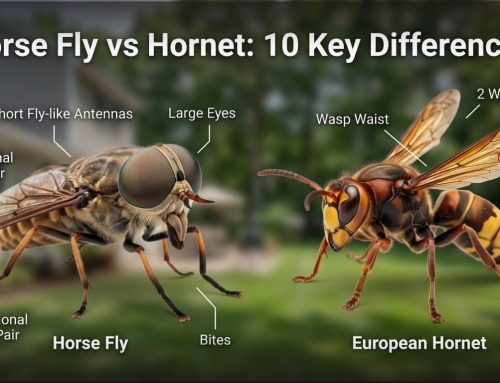
Green Pest Management CT helps Connecticut homeowners manage the full spectrum of pest threats. If you’ve spotted other flying insects around your property and aren’t sure what you’re dealing with, our Connecticut wasp and hornet ID encyclopedia is an excellent resource. Understanding the difference between various flying insects — from fruit flies to wasps to hornets — is the first step to effective control.
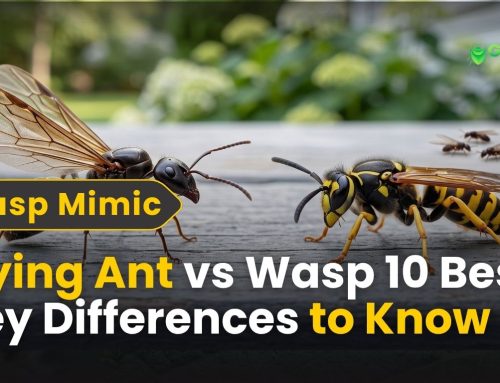
For those managing stinging insects alongside their fruit fly problem, our resources on wasps vs. hornets in CT and information on flying insects that look like wasps can help you identify and address every pest concern around your home.
A comprehensive pest management approach protects your home from every angle — not just the problem you can see today.
Your ACV Trap Action Checklist
Before you walk away from this guide, here’s your complete action checklist:
Making Your Trap:
- Use apple cider vinegar — unfiltered if possible
- Add exactly 2–3 drops of liquid dish soap
- Boost bait with red wine or overripe fruit
- Seal tightly with plastic wrap and poke 8–12 small holes
- Let ACV ferment uncovered for 24 hours before sealing for best results
Deploying Your Traps:
- Set minimum 3 traps in different kitchen locations
- Place within 12 inches of highest fly concentration areas
- Position away from fans and air vents
- Set fresh traps in the evening for best overnight results
Maintenance:
- Replace bait completely every 2 days
- Track daily catch numbers to assess progress
- Treat drains simultaneously with enzymatic cleaner
- Clean refrigerator drip pan if flies appear near the fridge
Escalation:
- If problem persists beyond 2 weeks — call a professional
- If infestation is in a restaurant or commercial setting — professional service from day one
FAQ: Apple Cider Vinegar Fruit Fly Trap Questions Answered
Does the apple cider vinegar fruit fly trap actually work?
Yes — when made correctly. The fermented scent compounds in ACV (acetic acid and ethanol) powerfully attract Drosophila fruit flies. Adding dish soap prevents escape by breaking surface tension. A properly built ACV trap with fresh bait replaced every 2 days is consistently the most effective DIY fruit fly trap available.
Why isn’t my ACV trap catching any flies?
The most common reasons are: bait that’s more than 2 days old and has lost potency, trap placement too far from the infestation source, holes in the plastic wrap that are too large (allowing escape), or too much dish soap creating foam that masks the scent. Check each of these factors and rebuild the trap using the exact method described in this guide.
Is apple cider vinegar or white vinegar better for a fruit fly trap?
Apple cider vinegar is significantly more effective. While both contain acetic acid, ACV also contains ethanol and a broader range of fermentation compounds that fruit flies are more strongly attracted to. In side-by-side tests, ACV consistently catches far more flies than white vinegar. Always use ACV.
How long does it take for an ACV trap to start working?
You should see flies being caught within the first few hours of deploying a fresh, properly made trap. Significant catch rates typically begin overnight on the first day. However, resolving a full infestation takes 7–14 days when trapping is combined with source elimination and drain treatment.
Can I use the ACV trap in my restaurant?
Yes — as a supplementary measure. ACV traps near produce storage and bar areas help reduce adult fly populations in restaurant settings. However, for health code compliance and comprehensive control, commercial kitchens require professional pest management including drain treatment and documented monthly inspections. ACV traps alone do not meet Connecticut food service pest control requirements.
Should I use an open bowl or covered plastic wrap for my ACV trap?
Always use the covered plastic wrap method. An open bowl allows flies to land, investigate, and leave without being captured. The plastic wrap forces flies to enter through small holes, dramatically reducing their ability to escape. The covered method consistently catches 3–5 times more flies than an open bowl setup.
When should I call a pest control professional instead of using ACV traps?
Call a professional if: your infestation has persisted more than 2 weeks despite proper ACV trapping and source elimination; flies continue emerging from drains after enzymatic treatment; you cannot locate the breeding source; or you operate a restaurant or food service business. Professional treatment reaches breeding sites that no DIY trap can access.
The Bottom Line: ACV Works — But It’s One Tool, Not the Whole Solution
Here’s the final honest answer to the question this article started with: yes, the apple cider vinegar fruit fly trap absolutely works — it’s the best DIY option available, it’s backed by the science of fruit fly behavior, and when made correctly and deployed strategically, it will catch significant numbers of adult flies.
But it won’t solve your infestation alone if the breeding source is still active.
The winning combination is always: ACV traps + source elimination + drain treatment, working together simultaneously. Get all three right and most infestations in Greenwich, Stamford, Darien, and across Fairfield County resolve within 7–10 days.
Get stuck — or dealing with a situation beyond DIY — and the right call is professional pest management.
Still Fighting Fruit Flies After Trying Everything?
Don’t spend another week swatting at flies and replacing traps that can’t keep up with the breeding. Our pest management professionals serve homes and businesses across all of Fairfield County, CT — bringing professional-grade solutions that reach breeding sites your traps simply can’t access.
Contact Green Pest Management CT today — and get permanent fruit fly control that actually works.
Green Pest Management CT proudly serves Greenwich, Stamford, Darien, New Canaan, Wilton, Westport, and all of Fairfield County, Connecticut. Safe, effective, eco-conscious pest management for homes and businesses.