Kinds of Hornets Explained: How to Identify Each Species Quickly
Introduction
You’re working in your yard in Westport or New Canaan when you notice something unsettling—a large insect circling overhead. It’s bigger than a regular wasp. The body looks robust and powerful. Your instinct tells you this is something more dangerous than the paper wasps on your porch.
The terrifying question fills your mind: What kinds of hornets are actually out there, and is one of them right above you now?
The problem is, you can’t tell. You don’t know if you’re looking at a mildly aggressive bald-faced hornet, a genuinely dangerous European hornet, or just a large paper wasp you’re overreacting to. This uncertainty paralyzes you. You avoid being outside. You keep your children inside during nice weather. You live with constant anxiety about what might nest on your home.
Without understanding the different kinds of hornets, you can’t protect your family effectively. You either overreact to harmless insects or dangerously under-prepare for genuine threats. You waste money on failed DIY removal attempts. You risk serious stinging incidents that could send family members to the emergency room.
Here’s the good news: Learning to identify the different kinds of hornets is straightforward once you know what to look for. In the next few minutes, you’ll understand exactly which hornet species are dangerous, how to spot them, and what to do when you encounter them.
Let’s identify every hornet species so you can protect your family with confidence.
Why Understanding Kinds of Hornets Matters for Your Family’s Safety
Most people use “hornet” loosely without realizing there are multiple distinct species with different threat levels, nesting behaviors, and aggression patterns. Confusing one kind with another leads to catastrophic mistakes.
Getting hornet identification wrong costs you:
You might dismiss a dangerous bald-faced hornet as a harmless wasp and fail to take protective action. You might panic about a yellow jacket (technically not a hornet) while missing the real danger of a European hornet nesting in your attic. You might attempt DIY removal on a species too aggressive for any non-professional to handle safely. Your family could end up in the emergency room because you didn’t recognize warning signs.
When you understand different kinds of hornets, you:
- Know which species pose genuine threats requiring immediate professional intervention
- Recognize warning signs of dangerous infestations before they become critical
- Understand actual threat levels instead of panicking about all flying insects equally
- Make informed decisions about your yard and family safety
- Protect your property from damage caused by aggressive nesting
Let’s break down every hornet species you’re likely to encounter so you never have to wonder again.
Bald-Faced Hornets: Most Common and Most Aggressive
Bald-faced hornets are the most frequently encountered true hornet species in Connecticut. They’re also among the most dangerous and aggressive stinging insects in North America. Understanding this species should be your first priority.
Visual Identification of Bald-Faced Hornets
Size: ¾ to 1 inch long—noticeably larger than paper wasps (which are typically ½ to ¾ inches)
Color: Jet black body with distinctive white or cream-colored facial markings. The white face pattern is absolutely unmistakable—no other Connecticut insect looks like this. They also have white stripes running along the abdomen.
Body Shape: Robust, thick-bodied, substantial appearance. The body looks powerful and muscular, not delicate like paper wasps.
Wings: Two pairs, dark and opaque. Wings are held flat against the body when at rest.
Distinctive Features:
- White face pattern (most identifying feature)
- White body stripes against black background
- Large, robust build
- Obvious, visible size difference from paper wasps
Where Bald-Faced Hornets Build Nests
Bald-faced hornets construct massive, enclosed, papery nests that are impossible to miss once you know what to look for. These distinctive nests:
Appearance: Large gray, football-shaped or teardrop-shaped completely enclosed structures. The nests are 1-3 feet in diameter or larger in some cases—some reach the size of a basketball.
Location: High in tree branches (40+ feet elevation is common), on building overhangs, under eaves, on electrical structures, or utility poles. They prefer elevated locations away from ground predators.
Structure: The entire nest is enclosed in papery material except for small entrance hole(s). Unlike paper wasp nests where every cell is visible, bald-faced hornet nests are completely protected.
Colony Size: 100-400+ individual hornets per nest, creating massive organized colonies
Bald-Faced Hornet Behavior and Aggression
Aggression Level: Extremely high and territorial. These hornets will pursue threats from considerable distance (50+ feet) from their nest.
Threat Assessment: Very high danger. These are among the most dangerous stinging insects. They attack in coordinated groups. Multiple stings are the norm, not the exception. Their venom is potent and causes significant pain and swelling.
Behavioral Characteristics:
- Aggressively defend nests from considerable distance
- Chase threats actively and persistently
- Attack unprovoked if perceiving danger to nest
- Sting multiple times without hesitation
- Organized colony defense with coordinated attacks
What to Do About Bald-Faced Hornets
Never attempt DIY removal. This is not a suggestion—it’s a safety imperative. The height of the nests makes DIY removal dangerous. The aggressive defense makes it dangerous. The venom makes it dangerous. Every aspect of DIY removal involves serious risk.
If you discover a bald-faced hornet nest:
- Maintain distance (50+ feet away)
- Never approach or throw objects at nest
- Keep family members and pets away
- Contact professionals immediately for safe removal assessment
- Don’t delay—nests grow larger and more aggressive as colony matures
For comprehensive information about this dangerous species, explore our complete comparison of wasps versus hornets.
European Hornets: The Invasive Threat Growing Stronger
European hornets are an invasive species that arrived in North America and have spread throughout the Northeast including Connecticut. They’re increasingly common and particularly problematic because they nest in building cavities.
Visual Identification of European Hornets
Size: ¾ to 1.25 inches long—the largest hornet species you’re likely to encounter. Some individuals exceed these measurements.
Color: Brown and orange-yellow coloring—completely different from the black and white pattern of bald-faced hornets. The brown is earthy and prominent, with orange-yellow markings creating a warm color palette.
Body Shape: Very robust, thick-bodied, powerful appearance. Noticeably larger and more substantial than paper wasps.
Wings: Golden or amber-colored wings (visible when you look closely), not the dark wings of other hornets. This wing color is distinctive for the species.
Distinctive Features:
- Large size combined with brown and orange coloring
- Visible golden/amber wings
- Prominent thorax (middle body section)
- Robust, heavy appearance
Where European Hornets Build Nests
European hornets are problematic because they nest in building cavities rather than high in exposed trees. They construct enclosed papery nests in:
Preferred Locations:
- Tree cavities and hollow trees
- Attic spaces and roof cavities
- Wall voids between studs
- Building cavities and overhangs
- Sometimes in hollow logs and dead wood
Nest Appearance: Large gray, oval or rounded enclosed papery nests, similar to bald-faced hornet nests but more rounded than football-shaped.
Colony Size: 200-400+ individual hornets, creating substantial organized colonies
Seasonal Activity: Extended season activity—active later into fall than many species (hence the nickname “fall hornets”)
European Hornet Behavior and Aggression
Aggression Level: High and territorial. They defend nests vigorously and will pursue threats.
Threat Assessment: High danger, particularly in building cavities. Multiple stings are possible. The venom is potent. Building cavity nests can spread throughout structures if not professionally handled.
Behavioral Characteristics:
- Vigorously defend nests from predators
- Crepuscular (most active in early morning and evening)
- Attracted to lights at night (unusual behavior for hornets)
- Predatory on various insects
- Organized colony defense
Special Concern: Their preference for building cavities means they’re more likely to establish nests on your home than bald-faced hornets. Attic and wall cavity nests are particularly problematic.
What to Do About European Hornets
Professional removal is strongly recommended. While less aggressively aggressive than bald-faced hornets, European hornets are still dangerous. Nests in building cavities present additional challenges requiring professional expertise.
If you discover a European hornet nest in your building:
- Don’t attempt to seal or trap entrances
- Keep distance from nesting area
- Contact professionals immediately for removal assessment
- Don’t delay—colonies grow and spread through structures
For detailed management information, see our ground hornet treatment guide.
Ground Hornets: Hidden But Extremely Dangerous
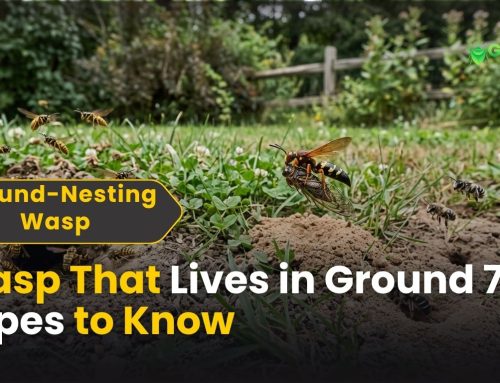
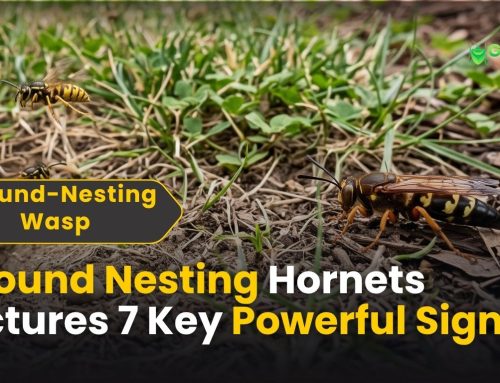
Ground hornets are hornet species that nest underground rather than in trees or buildings. These are particularly dangerous because you might accidentally disturb them while gardening, mowing, or moving around your yard.
Types of Ground-Nesting Hornets
Ground nesting hornets include certain hornet species (true hornets, not yellow jackets) that establish colonies in:
- Old rodent burrows
- Soil cavities and holes
- Underground chambers they excavate
- Protected ground locations
Visual Identification of Ground Hornets
Ground-nesting hornets share characteristics with their tree-nesting cousins:
Size: Similar to other hornet species—¾ to 1 inch or larger
Color: Either black with light markings (like bald-faced hornets) or brown and orange (like European hornets), depending on specific species
Body Shape: Robust, thick-bodied appearance characteristic of all true hornets
Distinctive Feature: You’ll identify them by nest location (ground entrance holes with insects coming and going) rather than individual insect appearance
Where Ground Hornets Build Nests
Nest Appearance: No visible nest structure above ground—the nest is entirely underground. You discover them by finding entrance hole(s) in the ground with hornet activity visible.
Location: Yard areas with soil suitable for burrowing, often near vegetation or landscaping features that provide some concealment.
Colony Size: Substantial colonies, similar in size to tree-nesting hornets (hundreds of individuals)
Danger Level: Extremely high, particularly for accidental encounters. You might discover the nest by stepping near an entrance hole, triggering defensive attack.
Ground Hornet Behavior and Aggression
Aggression Level: Extremely high when nest is disturbed. They attack aggressively because the underground nest is their only access point and they defend it fiercely.
Threat Assessment: Very high danger, particularly for unexpected encounters. You might disturb a nest while gardening, mowing, or playing in the yard without realizing it exists until you’re being attacked.
Special Concern: Children playing in yards are at particular risk for accidental ground hornet encounters.
What to Do About Ground Hornets
Never attempt to seal entrances or treat the nest yourself. This is extremely dangerous.
If you discover a ground hornet nest:
- Keep everyone (including pets) away from the area
- Mark the location so family members know to avoid it
- Contact professionals immediately for safe removal
- Don’t dig near entrance holes or attempt any removal yourself
Comparison Table: All Kinds of Hornets at a Glance
Use this table to quickly understand different kinds of hornets and their threat levels.
| Hornet Type | Size | Color | Nesting Location | Nest Size | Aggression | Threat Level |
| Bald-Faced | ¾-1″ | Black + white | High trees | 1-3+ feet | Very high | Very high |
| European | ¾-1.25″ | Brown + orange | Trees/buildings | Large | High | High |
| Ground | ¾-1″+ | Varies | Underground | Extensive | Very high | Very high |
How to Quickly Identify Kinds of Hornets by Key Features
Start with Body Shape (Most Reliable)
Robust, thick-bodied insect? You’re looking at a hornet, not a paper wasp. Hornets are substantially built throughout their bodies.
Slender with thin waist? Probably a paper wasp or solitary wasp, not a true hornet.
Check Color Pattern Second
Black body with white markings? Bald-faced hornet—very dangerous.
Brown and orange coloring? European hornet—dangerous.
Any hornet color pattern? Maintain distance and treat as dangerous.
Observe Nesting Location Third
Large gray enclosed nest high in tree? Bald-faced hornet—professional removal necessary.
Nest in attic, wall, or building cavity? European hornet—professional removal necessary.
Ground entrance holes with insect activity? Ground hornet—professional removal necessary.
Watch Behavior Fourth
Pursuing threats aggressively? True hornet—danger confirmed.
Attacking unprovoked? Hornet behavior—maintain distance.
Peacefully ignoring you? Likely not a true hornet—but maintain distance anyway.
Geographic Distribution of Hornet Kinds in Connecticut
Different regions of Connecticut encounter different hornet species concentrations.
Coastal Areas (Greenwich, Stamford, Darien)
Most Common Species:
- Bald-faced hornets (in wooded areas and tall trees)
- Yellow jackets (often confused with hornets, but different species)
Suburban Residential (New Canaan, Wilton, Westport)
Most Common Species:
- Bald-faced hornets (in forest areas and tall trees)
- European hornets (increasingly common in building cavities)
All Connecticut Areas
Increasingly Common:
- European hornets (establishing populations throughout the state)
- Ground-nesting hornets (in suitable soil areas)
Real Stories: How Hornet Identification Prevented Disasters
Story 1: The Tree Nest Encounter (New Canaan)
“I noticed a large gray nest in our oak tree and almost attempted spray removal. My neighbor, who knew what kinds of hornets looked like, immediately stopped me and explained it was a bald-faced hornet nest—far too dangerous for DIY removal. We called professionals who confirmed over 200 hornets in the nest. Professional removal saved us from what could have been a life-threatening swarm attack.” — David M., New Canaan, CT
Story 2: The Attic Discovery (Westport)
“We discovered what looked like a papery nest behind our attic soffit and called professionals for identification. They confirmed it was a European hornet nest with an estimated 300+ individuals. The entrance was literally feet from our bedroom window. Professional removal prevented this colony from spreading throughout our attic and causing serious structural damage.” — Jennifer L., Westport, CT
Pro Tips for Safe Hornet Identification
Observe from Maximum Distance
Use binoculars or camera zoom. Stay 50+ feet away from any suspected hornet nest. These insects have long pursuit distance and will chase threats.
Document with Photos
Take photos from safe distance. Photos help professionals confirm identification and assess danger accurately.
Look for the Nest First
The nest appearance is more reliable than individual insect observation. Large gray enclosed structure = true hornet nest. Note the location (tree, building, ground) for identification confirmation.
Note Aggressive Behavior
Insects pursuing you back toward your house are almost certainly hornets. Trust this behavioral signal—it’s a warning sign to maintain distance.
Never Approach an Unknown Nest
If you find any nest and aren’t certain it’s a harmless paper wasp nest, treat it as a potential hornet nest and maintain extreme distance.
Why DIY Hornet Management Always Fails
Misjudging the Species
You might think you’re dealing with paper wasps when you actually have hornets. The mistake becomes apparent only when you approach the nest and trigger aggressive defense.
Underestimating Colony Size
The nest you see is often only a portion of the full colony. Underground portions or internal chambers contain hundreds of individuals ready to defend.
Overestimating Your Ability to Get Away
Hornets are fast fliers and will pursue threats considerable distances. What you think is a safe escape route isn’t—they’ll chase you to your door or further.
Incomplete Removal Leaving Colony Intact
DIY attempts often kill some insects while leaving the colony functional. The remaining hornets rebuild and the problem returns worse than before.
Risk of Serious Injury
Multiple hornet stings can cause anaphylaxis even in people without known allergies. Some people require emergency room treatment.
FAQ: Questions About Kinds of Hornets
What’s the difference between a hornet and a yellow jacket?
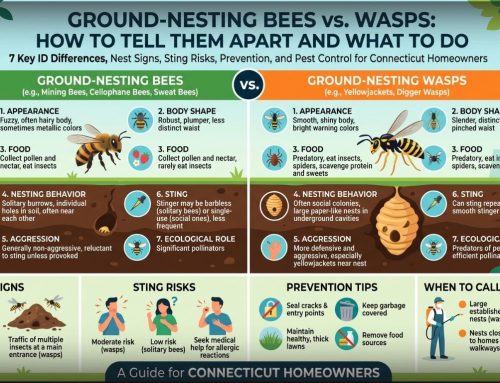
Yellow jackets are not true hornets—they’re wasps. However, they’re equally aggressive. Yellow jackets have bright yellow and black coloring. True hornets have light markings on dark bodies (black and white or brown and orange). Yellow jackets nest underground; hornets nest in trees or buildings or ground burrows.
Are all black and white insects bald-faced hornets?
Not necessarily, but if you see a large (¾+ inch), robust, black insect with distinctive white facial markings, it’s almost certainly a bald-faced hornet. This color pattern is distinctive and unmistakable.
How fast do hornets grow their nests?
Hornet colonies grow rapidly—nests double in size monthly during spring and summer. A small early-season nest becomes massive by August-September. This is why early identification and removal is important.
Can I distinguish hornet species by sound alone?
Larger hornets produce deeper buzzing sounds than smaller insects, but sound alone is unreliable. Use visual identification combined with behavioral observation for accurate species determination.
What should I do if I get stung by a hornet?
Remove stinger if present (unlikely, hornets keep stingers). Wash area with soap and water. Apply cold compress. Use antihistamine if itching develops. Monitor for allergic symptoms. Seek medical attention if you develop swelling beyond the sting area, difficulty breathing, or other systemic symptoms.
Don’t Let Fear of Hornets Stop You from Protecting Your Family
Understanding different kinds of hornets gives you the power to:
- Identify what you’re observing with confidence
- Assess threat levels accurately
- Recognize when professional help is essential
- Protect your family with appropriate action
- Eliminate the anxiety that comes from uncertainty
You now understand the characteristics of every hornet species you’re likely to encounter in Connecticut. You know which ones are most dangerous and what to do when you discover them.
Get Professional Hornet Management Now
If you’ve spotted a hornet or nest you can’t confidently identify, or if you want professional assessment and safe removal, our team is here to help.
We identify all kinds of hornets throughout Connecticut—from Greenwich to Westport and everywhere in between. We assess danger accurately and provide safe professional removal using proper methods and timing.
Take action now—don’t let hornets establish colonies on your property. Professional removal protects your family and prevents property damage.