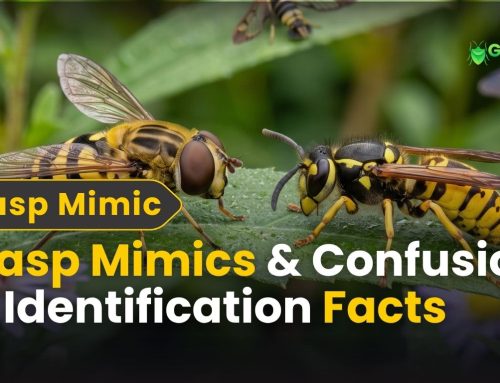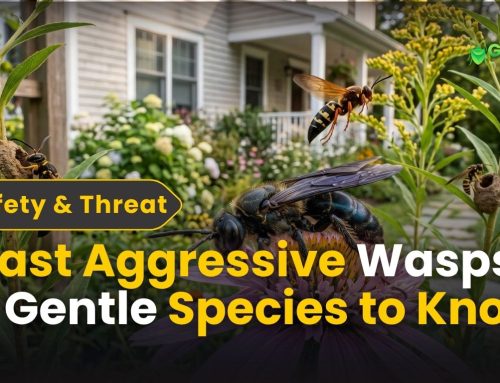
Are Orange Wasps Dangerous? Identification, Stings & Safety Guide
Introduction
You’re working in your yard in Wilton when you spot an insect you’ve never seen before—it has an orange or orange-brown coloring that’s distinctly different from the yellow jackets you’re familiar with. Your first instinct is curiosity mixed with concern. Are orange wasps dangerous? Should you be worried? Should you call professionals? Or is this a harmless visitor you can safely ignore?
The uncertainty creates immediate anxiety. You don’t know whether to maintain distance or treat it as a threat. You don’t know if you should seal parts of your home or if it poses no real danger. Without proper information, you either overreact to a harmless species or dangerously under-prepare for a genuine threat.
This confusion about orange-colored stinging insects is common in Connecticut. Orange coloring can belong to several different species—some dangerous, some harmless. Without understanding which orange insect you’re looking at, you can’t make informed safety decisions for your family.
Here’s what you need to know: Are orange wasps dangerous? The answer depends entirely on what specific species you’re observing. This guide reveals exactly which orange insects are genuine threats, which ones are harmless, and most importantly, what to do when you encounter them.
Let’s identify orange wasps so you can make confident, informed decisions about your family’s safety.
Are Orange Wasps Dangerous? The Short Answer
Are orange wasps dangerous? The answer is: It depends on the species.
Some orange-colored insects are harmless solitary wasps focused entirely on hunting spiders or other prey. Some are moderately aggressive paper wasps with orange coloring. Some are genuinely dangerous hornets that require professional removal.
The orange coloring alone doesn’t determine danger level. You need to combine color with size, body shape, nesting behavior, and other characteristics to accurately assess threat level.
Types of Orange-Colored Wasps and Hornets in Connecticut
Orange Paper Wasps (Low to Moderate Danger)
Some paper wasp species have orange or orange-red coloring instead of the typical reddish-brown. These are the same peaceful, beneficial insects as their brown cousins—just with different coloring.
Characteristics:
- Color: Orange or orange-red body with yellow markings
- Size: ½ to ¾ inches long
- Body Shape: Slender with pronounced thin waist
- Nesting: Umbrella-shaped open-comb nests under eaves and structures
- Aggression: Moderate—defensive around nest, peaceful elsewhere
- Threat Level: Low to moderate
Safety Assessment:
Orange paper wasps are not particularly dangerous. They’re beneficial insects that hunt pest insects. They can sting if nest is directly threatened, but they’re not aggressively attacking. A nest on your property might be left alone if location is acceptable.
For detailed paper wasp information, explore our comprehensive guide to different types of wasps.
Orange-Red Solitary Wasps (Zero Danger)
Some solitary wasp species have orange or orange-red coloring. These are individual insects focused entirely on hunting and reproduction, completely non-aggressive toward humans.
Characteristics:
- Color: Orange or orange-red coloring (sometimes mixed with black)
- Size: Varies by species (often 1+ inches for larger solitary wasps)
- Body Shape: Varies, but solitary wasps typically have thin waists
- Nesting: Individual burrows or nests, not colonies
- Aggression: None—completely focused on own activities
- Threat Level: Zero
Safety Assessment:
Orange solitary wasps pose absolutely no threat to humans. They’re beneficial predators that control other insect populations. Leave them alone and appreciate the natural pest control they provide.
European Hornets with Orange-Brown Coloring (High Danger)
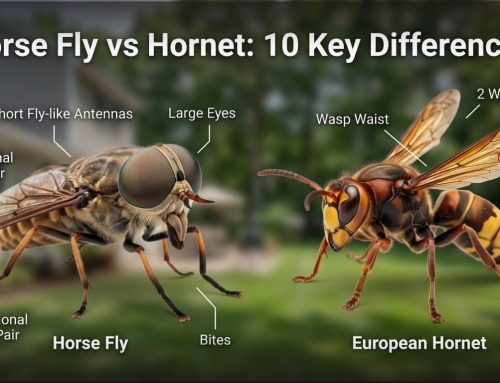
European hornets have brown and orange-yellow coloring that can appear distinctly orange to the observer. These are true hornets—invasive species increasingly common in Connecticut—and they’re genuinely dangerous.
Characteristics:
- Color: Brown body with orange-yellow markings; overall warm, earthy tones
- Size: ¾ to 1.25 inches—largest hornet species in Connecticut
- Body Shape: Very robust, thick-bodied, powerful appearance
- Wings: Golden or amber-colored wings (visible on close inspection)
- Nesting: Building cavities (attics, wall voids), tree cavities, sometimes ground
- Aggression: High—defend nests vigorously
- Threat Level: High danger
Safety Assessment:
European hornets are genuinely dangerous. They’re significantly larger and more robust than paper wasps. They nest in building cavities, making them problematic for homeowners. Multiple stings are possible. Professional removal is essential.
Quick Identification Guide: Are Your Orange Wasps Dangerous?
Use this quick assessment to determine threat level of orange-colored insects you encounter.
Step 1: Check Body Shape
Slender with thin waist? → Likely paper wasp or solitary wasp (low to zero danger)
Robust, thick-bodied throughout? → Likely hornet (high danger, assess further)
Step 2: Assess Size
½ to ¾ inches? → Paper wasp (low danger)
1+ inches? → Could be solitary wasp (zero danger) or larger hornet (high danger)
¾ to 1.25 inches, robust body? → Likely European hornet (high danger)
Step 3: Observe Nesting Behavior
Umbrella-shaped nest on structures? → Paper wasp (low danger, manageable)
No visible nest, solitary hunting? → Solitary wasp (zero danger)
Large enclosed papery nest in tree or building cavity? → Hornet (high danger, professional removal needed)
Step 4: Assess Behavior
Ignoring you, focused on hunting? → Low danger insect
Peacefully building nest, non-aggressive? → Low danger insect
Aggressively defending territory? → High danger insect, maintain distance
Are Orange Wasps Dangerous? Detailed Threat Assessment
Paper Wasps with Orange Coloring: Manageable Threat
Are these orange wasps dangerous? Moderately. They can sting if nest is directly threatened, but they’re not inherently aggressive.
Risk Factors:
- Nests are visible and avoidable
- Stings are possible but not likely unless nest is disturbed
- Single stings more common than multiple stings
- Venom is moderately potent, similar to bees
Safety Measures:
- Observe nests from distance
- Avoid disturbing or approaching nests
- Keep children and pets away from nesting areas
- Consider professional removal if nest is in high-traffic location
- Do NOT spray or attempt DIY removal
When to Seek Professional Help:
If nest is within 10 feet of areas where family gathers, or if you have documented wasp allergies, professional removal is recommended for peace of mind.
Solitary Orange Wasps: Zero Real Danger
Are these orange wasps dangerous? No. Not at all.
Why They’re Not Dangerous:
- Non-aggressive by nature
- Focused entirely on hunting and reproduction
- Won’t defend territory like social wasps do
- Extremely unlikely to sting under any normal circumstance
- Beneficial for natural pest control
Safety Measures:
- No specific safety measures needed
- Leave them alone
- Appreciate the pest control benefit
- Observe from distance if curious
No Professional Intervention Needed:
Solitary orange wasps are completely harmless and beneficial. No removal necessary.
European Hornets with Orange Coloring: Serious Danger
Are these orange wasps dangerous? Yes, absolutely. These are among the most dangerous stinging insects.
Risk Factors:
- Very aggressive and territorial
- Multiple stings are common
- Nest in building cavities (creating infestation risk)
- Potent venom causing severe reactions
- Build large colonies (200-400+ individuals)
- Active longer into fall than other species
Safety Measures:
- Maintain considerable distance (50+ feet)
- Never approach nests or attempt removal
- Keep family and pets away from nesting areas
- Seal building cavities to prevent nesting
Professional Intervention Required:
European hornets nesting in building cavities require professional removal. This is not optional—it’s essential.
For detailed information about European hornets, explore our guide to kinds of hornets.
Comparison Table: Orange Insects and Danger Levels
| Orange Insect Type | Size | Body Shape | Nesting | Aggression | Danger Level | Action Needed |
| Paper wasp (orange) | ½-¾” | Slender | Structures | Moderate | Low-Mod | Observe/consider removal |
| Solitary wasp (orange) | 1″+ | Varies | Individual | None | None | Leave alone |
| European hornet (orange-brown) | ¾-1.25″ | Robust | Buildings | High | High | Professional removal |
Are Orange Wasps Dangerous? Geographic Considerations in Connecticut
Orange-colored stinging insects are found throughout Connecticut, with different species concentrated in different areas.
Coastal Areas (Greenwich, Stamford, Darien)
Most Common Orange Species:
- Orange paper wasps (on residential structures)
- Orange-brown European hornets (increasingly in building cavities)
Safety Considerations:
- Regular inspection of structures for cavities
- Watch for larger orange insects (potential European hornets)
Suburban Residential (New Canaan, Wilton, Westport)
Most Common Orange Species:
- Orange paper wasps (common on eaves and structures)
- Solitary orange wasps (in yards and gardens)
- European hornets (establishing in building cavities)
Safety Considerations:
- Larger properties need more frequent inspection
- Wooded areas may harbor hornet nests
- Building cavities particularly vulnerable to hornet infestation
Real Stories: How Identification Prevented Problems
Story 1: The Orange Paper Wasp Relief (Darien)
“I found an orange-colored wasp nest on my porch and panicked, thinking it was a dangerous hornet. After reading about orange wasp species, I realized it was a paper wasp—just with orange coloring instead of brown. The slender body and umbrella-shaped nest confirmed it. Instead of expensive removal, I just observed it from distance. It provided good pest control without being aggressive. Learning that not all orange insects are dangerous saved us money and yard space.” — Robert M., Darien, CT
Story 2: The European Hornet Discovery (Westport)
“We noticed large orange-brown insects around our attic soffit in late summer. The larger size and building cavity location immediately told me these were different from regular wasps. I suspected European hornets and called professionals. They confirmed a nest in the attic with hundreds of individuals. Professional removal prevented what could have been a serious infestation spreading throughout our home. Recognizing the danger signs early was crucial.” — Sarah L., Westport, CT
Sting Severity: How Dangerous Are Orange Wasp Stings?
Orange Paper Wasp Stings
Pain Level: 4-5 out of 10—moderately painful, comparable to bee sting
Severity: Local swelling and redness, typically resolving within 3-7 days
Multiple Stings: Uncommon; more likely to get single sting
Allergic Risk: Low to moderate; allergic reactions are possible but not common
Treatment: Remove stinger if present, wash with soap and water, apply cold compress, use antihistamine if itching develops
Solitary Orange Wasp Stings
Likelihood of Sting: Extremely unlikely under normal circumstances
Pain Level: Variable by species, typically low
Severity: Minimal, typically no swelling
Multiple Stings: Essentially impossible
Allergic Risk: Minimal—so few people are stung that allergic reactions are rare
Treatment: Basic wound care if sting occurs
European Hornet Stings
Pain Level: 7-8 out of 10—among the most painful insect stings
Severity: Significant swelling (often 3-5+ inches), intense itching, prolonged reaction
Multiple Stings: Common if multiple hornets attack
Allergic Risk: Moderate to high; serious reactions are more likely than with other species
Treatment: Remove stinger if present, wash thoroughly, apply cold compress, use antihistamine and pain reliever, monitor for allergic symptoms, seek medical attention if swelling extends beyond local area or systemic symptoms develop
Why DIY Management of Orange Wasps Often Fails
Misidentification Creates Wrong Strategies
You might think you’re dealing with a harmless paper wasp when you actually have European hornets. The mistake becomes apparent only when aggressive response develops.
Incomplete Removal Leaves Problems
DIY attempts might kill some insects while leaving the colony intact. The remaining wasps rebuild and the problem returns worse than before.
Risk of Serious Injury
Attempting removal of a truly dangerous species (European hornet) puts you at risk of multiple serious stings that could require emergency care.
Building Damage
Sealing or disturbing nests in building cavities can cause hornets to chew through walls and spread throughout structures.
Pro Tips for Safe Orange Wasp Identification
Note the Complete Appearance, Not Just Color
Orange coloring is only one feature. Combine it with body shape, size, nesting behavior, and aggression level for accurate identification.
Body Shape Is More Reliable Than Color
Slender = likely harmless. Robust = likely dangerous. This distinction holds true even when colors vary.
Observe From Distance
Use binoculars or camera zoom. Never approach close enough to trigger defensive behavior.
Document With Photos
Take photos from safe distance. Photos help professionals confirm identification if you’re uncertain.
Trust Your Instinct
If an orange insect makes you nervous—if it looks substantial and aggressive—treat it as potentially dangerous and maintain distance.
FAQ: Questions About Orange Wasps and Danger
Are all orange-colored wasps safe?
No. While many orange paper wasps and solitary wasps are harmless or low-danger, orange-brown European hornets are genuinely dangerous. You need to assess body shape, size, and behavior along with color to determine actual danger level.
How can I tell if an orange wasp is a hornet?
European hornets are notably larger (¾-1.25 inches), have robust, thick bodies, and often nest in building cavities rather than on exposed structures. Orange paper wasps are smaller (½-¾ inches), slender, and build visible umbrella-shaped nests. This size and body shape distinction is key.
Should I be worried about orange wasps in my garden?
Most orange wasps in gardens are harmless solitary wasps or peaceful paper wasps. Unless you see signs of aggressive behavior or nesting in building cavities, they pose minimal threat. They’re actually beneficial for pest control.
What should I do if I see an orange wasp near my home?
Observe from distance and note the location, size, and behavior. If it’s building a nest on your structure, identify the species. Paper wasp nests in acceptable locations can often be left alone. If you see large, robust orange insects near building cavities, contact professionals for assessment.
Can orange wasps establish hives like bees?
No. Wasps don’t build hives—they build nests. Orange paper wasps build umbrella-shaped nests. Orange European hornets build large enclosed gray papery nests. Solitary orange wasps build individual burrows or small nests. These are all different structures from bee hives.
Are orange wasps worse than yellow jackets?
It depends on the species. Orange paper wasps are generally less problematic than yellow jackets. Orange-brown European hornets can be equally or more problematic than yellow jackets, especially if nesting in building cavities. Solitary orange wasps are completely harmless.
Are Orange Wasps Dangerous? Final Safety Assessment
Are orange wasps dangerous? The complete answer is nuanced:
- Orange paper wasps are low to moderately dangerous—manageable through observation and caution
- Solitary orange wasps are completely harmless—beneficial for your yard ecosystem
- European hornets with orange-brown coloring are highly dangerous—require professional removal
Your safety depends on accurately identifying which orange insect you’re observing. Never assume all orange insects are the same threat level.
Get Professional Assessment for Orange Insects on Your Property
If you’ve spotted orange-colored stinging insects on your Connecticut property and aren’t certain which species they are, contact our professional team for expert assessment.
We identify orange wasp species accurately throughout Connecticut—from Greenwich to Westport and everywhere in between. We assess genuine danger levels and provide safe professional removal when needed.
Don’t guess about dangerous insects. Professional identification gives you peace of mind and protects your family.