Pest Control for Hornets: DIY vs Professional Breakdown
The DIY Temptation vs. What Actually Works
You’ve found a hornet nest. Your first instinct is probably to handle it yourself grab something from the hardware store, wait for evening when it’s cool, and spray it. The cost of a can of insecticide is under twenty dollars. A professional exterminator is going to cost what, a couple hundred bucks? It seems like an obvious choice financially.
Then you start thinking about the actual mechanics. The nest is fifteen feet up in a tree. Or it’s inside your wall. Or you read one story online about someone who got stung forty times and realized maybe this isn’t the casual Saturday project you initially thought.
Hornets pest control sounds simple in theory. In practice, the difference between a successful DIY approach and a failed one or worse, a dangerous one comes down to nest size, species, location, and timing. Some hornet situations are genuinely manageable without professional help. Most mature colonies in summer are not.
This guide breaks down exactly when DIY pest control for hornets makes sense, when professional intervention is the smarter (and ultimately cheaper) choice, what the actual safety considerations are, and what you can realistically expect to spend either way. By the time you finish reading, you’ll know which path makes sense for your specific situation.
What You’re Actually Up Against: Hornet Biology 101
Before deciding DIY versus professional, you need to understand what a hornet colony actually is and why they’re so difficult to eliminate without proper knowledge.
A hornet nest isn’t a simple structure it’s a thriving biological system with anywhere from dozens to several hundred individual insects, all working with coordinated alarm and defense systems. When you disturb the nest, you’re not just dealing with the insects currently visible. You’re triggering a chemical alarm response that mobilizes workers from inside the nest, recruits additional defenders, and puts the entire colony into a heightened aggressive state.
A small paper wasp nest with twenty workers behaves completely differently from a mature bald-faced hornet colony with five hundred workers. The size differential changes everything about treatment feasibility and safety.
For detailed context on hornet and wasp behavior specific to Connecticut conditions, understanding how these insects actually operate informs much better decision-making about whether a DIY approach is reasonable.
The Honest Assessment: When DIY Hornets Pest Control Can Work
Not every hornet situation requires professional intervention. There are genuine scenarios where a homeowner with appropriate caution can handle the situation successfully. These are the exceptions, not the rule.
Small Paper Wasp Nests (Early Season)
If you’ve discovered a paper wasp nest identifiable by its small, open-celled structure resembling an upside-down umbrella, typically 1–3 inches across and it was found in late spring or early summer, DIY treatment can work.
The conditions have to be right:
-
The nest is under 2 inches across (indicating fewer than 50 workers, likely far fewer)
-
It’s in an accessible location not high in a tree, not directly above a doorway, not inside a wall
-
It’s not in an area where your family spends significant time daily
-
No one in your household has a documented sting allergy
-
The nest hasn’t been disturbed (no active agitation visible)
The approach that works:
Spray the nest in early morning or late evening when temperatures are cool and workers are inside the nest. Use a spray product labeled for wasps — not something generic for general bugs. Read the label completely before starting. Wear long sleeves, long pants, gloves, and safety glasses. Apply from a safe distance. Don’t stand directly under a nest in a tree.
A paper wasp colony this size, treated this way, at this time of year, has a reasonably high success rate. Single application usually eliminates the colony.
Bald-Faced Hornet Nests (Very Early, Very Small)
Bald-faced hornets are considerably larger and more aggressive than paper wasps, but an extremely early-season nest discovered in late April or early May that’s still golf-ball-sized or smaller might be treatable without professional help under similar conditions to the paper wasp situation.
However, the risk profile is meaningfully higher. Bald-faced hornets are more aggressive defenders than paper wasps. A DIY treatment failure is more likely to result in serious stings. Most pest control professionals recommend against DIY treatment for bald-faced hornets regardless of size.
Absolutely NOT Suitable for DIY: When Professional Help Is Non-Negotiable
Be extremely clear about these situations attempting DIY treatment in any of these scenarios is genuinely dangerous and likely to fail.
Large or mature nests: Any nest that’s reached more than 3–4 inches across, any nest in mid-summer or later, or any nest with visible high activity levels. A mature bald-faced hornet nest or yellow jacket colony is not a DIY project. Period.
Elevated nests: Any nest higher than arm’s reach, especially if it requires a ladder, climbing, or positioning yourself directly beneath it. The physics of DIY treatment from a ladder with one hand holding the spray while balancing yourself is simply not safe.
Nests in structural voids: Ground nests, nests inside walls, nests in attic spaces, nests in roof soffits. These situations require structural knowledge and access to products that aren’t available over-the-counter. A yellow jacket colony inside a wall void is literally one of the most difficult hornet pest control situations that exists this absolutely requires a professional.
Nests near high-traffic areas: Directly above a door, beside a frequently used path, near a patio where your family eats, or near where children play. The margin for safety is too small for DIY.
Any nest involving yellow jackets: These insects are fast, aggressive, can sting multiple times, and are most often located in situations (ground nests, wall voids) that require professional treatment. Don’t DIY yellow jacket removal.
For a detailed comparison of DIY versus professional hornet nest removal that covers the specific factors affecting each situation, that resource breaks down the decision framework comprehensively.
The Real Costs of DIY Hornets Pest Control
The financial math on DIY seems straightforward: a can of spray insecticide costs versus a professional exterminator at. But this math doesn’t account for failure costs.
Direct Product Costs
A single can of wasp and hornet spray from a hardware store:
Professional-grade wasp and hornet insecticide (if you could buy it): per unit
Protective equipment (appropriate gloves, long sleeves, safety glasses): if you don’t have them already
For a single small nest, the product cost alone remains significantly cheaper than professional service.
Indirect Costs of DIY Failure
This is where the math gets interesting. If your DIY treatment fails — and it frequently does for anything beyond a very small paper wasp nest — you now have several outcomes:
You’ve already spent on product that didn’t work, and you still need professional help. The nest is either still active or has been temporarily reduced with the colony recovering within days. Now you’re calling a professional anyway, paying full price, but you’ve also wasted the initial product money. Total cost:
The nest was temporarily suppressed but not eliminated, and it rebounds more aggressively. By applying an ineffective treatment, you’ve partially disturbed the colony without eliminating it. Workers that weren’t killed or directly exposed become more defensive. When the colony recovers, it’s angrier and more dangerous. Your follow-up professional treatment may be more complex and costly than it would have been initially. Plus, during the gap period while the colony is recovering, your family’s risk of accidental encounter is actually elevated.
You or a family member was stung during the DIY attempt. A sting itself might be manageable, but if there’s an allergic reaction, you’re looking at emergency room costs that dwarf any savings from avoiding a pest control service. Even without anaphylaxis, multiple stings during a DIY failure result in pain, swelling, and potential infection. The time and discomfort lost is a real cost.
The Professional Service Cost Breakdown
For Fairfield County residents, here’s what professional hornets pest control actually costs:
These are realistic 2026 Fairfield County market prices. Costs are higher for complex situations because they genuinely require more time, more specialized equipment, and more expertise.
The professional isn’t simply more expensive the professional actually resolves the problem. A failed DIY attempt plus a later professional service is nearly always more expensive overall than professional service from the beginning.
Professional Hornets Pest Control: What Actually Happens
Understanding what a professional brings to hornet pest control helps explain why the service costs what it does and why it’s so much more effective than retail solutions.
Species Identification
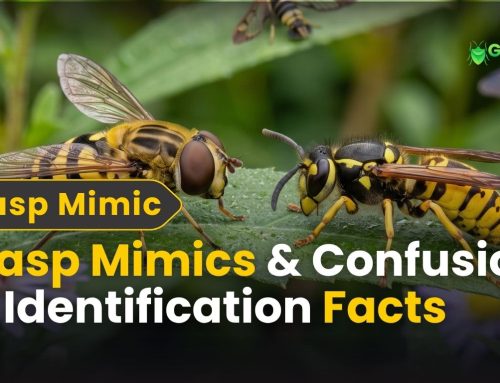
The first step is accurate identification. Is this a bald-faced hornet, a yellow jacket, a paper wasp, or a European hornet? They look similar to untrained eyes but require completely different treatment approaches. A professional identifies the species within seconds of visual assessment.
Nest Assessment
Size, construction material, location, entry points, activity level, and colony behavior are all evaluated. This assessment determines what equipment is needed, what safety precautions are required, and what treatment method will be most effective.
Treatment Selection (IPM Principles)
Professional pest control uses Integrated Pest Management (IPM) an EPA-recognized approach that prioritizes the most effective, least invasive intervention. For hornets, this typically means:
-
Direct nest treatment for aerial nests using EPA-registered aerosol or dust insecticide
-
Structural access and internal treatment for wall void or ground colonies
-
Timing — applying treatment at dusk or early morning when the colony is most clustered and workers are less active
-
Follow-up — confirming the colony is eliminated and assessing for preventive measures
The specific product, concentration, and application method are selected based on the species, location, and colony size. This precision is what makes professional treatment so much more effective than applying the same hardware-store spray to every situation.
Protective Equipment and Safety Protocols
A professional arrives with full bee suit, gloves, veil, and appropriate respiratory protection when needed. This isn’t caution for its own sake it’s the safety standard for working with mature colonies. Your DIY spray bottle and garden gloves are not equivalent.
Follow-Up Confirmation
Professional service includes a return inspection to confirm the colony is fully eliminated. This verification step is what homeowners often skip or ignore with DIY, leading to recurring problems.
Timing Matters: When to Act on Hornet Problems
The season when you discover a hornet nest dramatically affects the DIY viability equation.
Late April through May: The best window for any hornet treatment, whether DIY or professional. Colonies are freshly established, populations are small, and queens haven’t yet built large worker forces. A small nest at this stage responds well to treatment.
June through early July: Still manageable timeframe. Colonies are growing but not yet at peak size. Professional treatment is straightforward. DIY is increasingly risky as colonies mature.
Mid-July through August: Peak season for established colonies. Bald-faced hornet nests are football-sized with hundreds of workers. Yellow jacket colonies are massive and highly defensive. This is almost never DIY territory. Professional service is essential.
September through October: Yellow jackets especially become extremely aggressive as their colony declines and workers become stressed. Late-season treatment requires professional expertise and is genuinely urgent if the nest is near high-use areas.
For a detailed breakdown of the best timing for hornet nest treatment and why timing affects both safety and success, that resource explains the seasonal dynamics that shape treatment decisions.
Common DIY Mistakes That Make Hornets Pest Control Worse
These are the misadventures that turn a manageable nest situation into a dangerous one.
Approaching the Nest During Daylight Without Preparation
A bald-faced hornet nest in the daytime has workers actively foraging in and out. The colony is in its normal operational state, alert and defensive. Approaching without full protective equipment during active hours is an injury waiting to happen.
Pouring Water or Using Fire
Drowning a ground nest temporarily forces workers out in a panic, triggering massive swarming. Using fire near a nest, especially paper nests in trees, creates secondary hazards. Neither approach actually eliminates the colony.
Using Household Pesticides or Random Spray Products
Just because something kills bugs doesn’t mean it’s appropriate or effective for hornets. Label directions matter. Using a product off-label is both less effective and potentially unsafe. A product formulated for ants won’t work on hornets the way a wasp-specific product does.
Applying Treatment and Then Abandoning the Situation
Some DIY attempts partially suppress a colony. The nest becomes less active, and the homeowner assumes it’s resolved. Days or weeks later, the colony has recovered and rebuilt. Now you have an even more defensive colony, and the problem is worse than it started.
Attempting Treatment from an Unstable Position
Balancing on a wobbly ladder with one hand holding a spray can while trying to hit a nest above your head is a recipe for both falls and stings. If DIY is going to happen, the situation has to allow stable, two-handed positioning with safe distance from the nest.
Understanding how to safely destroy a hornet nest without common mistakes is worth reviewing before attempting any treatment.
Specific Hornet Species and DIY Feasibility
Different hornet species have different characteristics that affect DIY viability.
Paper Wasps: Most DIY-Friendly (When Conditions Are Right)
Paper wasps build small, open-celled nests. Colonies stay relatively small even at peak season. They’re less aggressive than other hornets. A small, accessible paper wasp nest discovered early in the season is the closest thing to a legitimate DIY situation.
Even here, approach is critical. Late evening treatment when workers are inside the nest. Direct spray application. No standing beneath the nest if it’s aerial. Most successful DIY treatments involve paper wasps and only when all conditions align perfectly.
Bald-Faced Hornets: Professional Strongly Recommended
These are aggressive architects that build large, football-shaped aerial nests. Colonies reach hundreds of workers. They’re extremely territorial and defend vigorously. Even small nests warrant professional treatment. Mature summer colonies are absolutely professional territory.
For comprehensive guidance on bald-faced hornet identification and removal, that resource explains why these particular insects are so difficult to manage without professional expertise.
Yellow Jackets: Never DIY
Yellow jackets are fast, aggressive, capable of stinging multiple times, and most commonly located in situations (ground nests, wall voids) that require professional access and expertise. A ground nest discovered during lawn mowing has an immediate, overwhelming swarm response. Wall void colonies require structural treatment that isn’t available without professional licensing.
Yellow jackets are responsible for the vast majority of serious sting incidents in Connecticut. Do not DIY yellow jacket removal.
European Hornets: Likely Professional Territory
Larger than yellow jackets, active at night, and preferring wall voids and hollow trees. By the time they’re noticed, they’re often established enough to require professional treatment. Their nocturnal activity makes them harder to assess and treat during traditional pest control hours.
Prevention: The Most Cost-Effective Hornets Pest Control
The cheapest hornet problem is the one that never happens. Prevention is where real long-term savings occur.
Spring inspection: Walk your property in April and May looking for early nest construction. A queen’s nest before she raises her first worker cohort is tiny and simple to treat. The same nest left until August is a major problem. Early treatment cost:. August treatment: .
Structural exclusion: Seal gaps in siding, fascia, soffits, and around utility penetrations. These are the access points yellow jackets and European hornets use to establish wall void colonies. Hardware cloth over vents and proper caulking are inexpensive investments that prevent expensive infestations.
Landscape management: Remove ground cover, manage brush piles, and eliminate attractive nesting habitat. Ground-nesting yellow jackets are more dangerous than aerial nests precisely because they’re easily disturbed during routine yard work.
Know your nest types: Understand what early-stage nests look like so you can identify them before they become problems. A golf-ball-sized nest in May is trivial to address. A grapefruit-sized nest in July is significantly more difficult and expensive.
For comprehensive prevention strategies, the guide to deterring hornets from nesting covers what actually works versus what’s just wasted effort.
Local Context: Hornets Pest Control in Fairfield County
Connecticut’s specific pest pressures and seasonal patterns affect when DIY versus professional makes sense.
Wilton and New Canaan, with heavily wooded residential properties, see consistent bald-faced hornet nesting in tree canopies. These aerial nests, often 30+ feet up, are inherently difficult for DIY. Greenwich and Darien’s older colonial properties with mature tree landscaping experience similar patterns.
Stamford and Norwalk, with older housing stock and mixed construction, see frequent yellow jacket wall void infestations. These are never DIY territory they require structural access and professional products.
Westport and Fairfield, with coastal humidity that accelerates pest activity, see larger-than-average colonies develop. Summer infestations here tend to be more severe, making professional intervention more valuable.
For context on hornet nest removal specifically in Connecticut and what local providers bring to the table, that resource covers the regional expertise that matters.
Frequently Asked Questions
Can I DIY a small hornet nest?
A very small (under 2 inches) paper wasp nest discovered early in the season, in an accessible location, with no active agitation, can sometimes be treated with DIY spray applied in early morning or late evening. All other hornet situations — including bald-faced hornets of any size, yellow jackets, European hornets, large nests, elevated nests, or nests near high-traffic areas — warrant professional treatment.
What’s the cheapest hornet pest control option?
For situations where DIY is genuinely feasible, a hardware store spray product is the cheapest option. However, if DIY fails and you need professional service afterward, total cost becomes higher than professional service alone would have been. For most hornet situations, professional treatment from the start is the most cost-effective path because it actually resolves the problem.
How much does professional hornet pest control cost in Connecticut?
Professional hornet removal in Fairfield County costs depending on the species, nest size, and location complexity. Small accessible nests run. Large aerial nests cost. Wall void or ground infestations range. Emergency same-day service carries an additional premium of.
Why is professional hornet pest control more expensive than DIY?
Professional service involves licensed technician time, full protective equipment, EPA-registered products applied at label-appropriate concentrations, equipment and vehicle costs, insurance, follow-up inspection, and the actual expertise to diagnose and treat correctly. You’re paying for expertise and guaranteed results, not just the product cost.
What happens if DIY hornet treatment fails?
If DIY treatment fails, the nest either recovers or remains partially active. The colony may become more defensive after partial treatment. You then need professional service anyway, but now you’ve also wasted the initial product cost and potentially increased the danger level. Total cost: instead of plus increased risk during the gap period.
Is a bald-faced hornet nest ever DIY-appropriate?
Extremely small bald-faced hornet nests discovered in late April or early May might theoretically be treatable, but most pest control professionals recommend against DIY for this species regardless of size. Bald-faced hornets are more aggressive than paper wasps, and the risk-reward calculation is unfavorable. Professional treatment is strongly recommended.
When should I call a professional instead of attempting DIY hornet removal?
Call a professional if the nest is larger than 3 inches, if it’s mid-summer or later, if it’s elevated or requires ladder access, if it’s in a wall void or ground nest, if it involves yellow jackets or European hornets, or if it’s near a primary entry point or high-traffic area. When in doubt, professional treatment is the safer choice.
How long does professional hornet pest control take to work?
Colony elimination typically occurs within 24–72 hours of professional treatment. Adult activity significantly reduces within hours, but complete worker death takes 1–3 days as exposed individuals succumb to insecticide. Follow-up inspection at 7–10 days confirms full elimination.
Conclusion: The Real Math on Hornets Pest Control
The decision between DIY and professional hornet pest control comes down to honest assessment of your specific situation not just cost, but safety, complexity, and the probability of success.
For tiny paper wasp nests discovered early in spring, in accessible locations, with no complicating factors, DIY can work if you follow careful protocols. For everything else bald-faced hornets, yellow jackets, European hornets, large nests, elevated nests, wall voids, or summer-season colonies professional hornet pest control isn’t a luxury upgrade. It’s the appropriate, cost-effective path to actual resolution.
In Fairfield County, where hornet activity is consistent, seasonal pressures are real, and structural nesting situations are common, having access to a qualified local exterminator is practical necessity rather than convenience. Green Pest Management CT provides professional hornet pest control throughout Connecticut with the licensing, equipment, expertise, and guarantees that DIY simply cannot match.
If you’ve discovered a hornet nest and you’re trying to decide whether to DIY or call a professional, contact Green Pest Management CT for an honest assessment. Describe the situation, get a written quote, and make an informed decision based on facts rather than internet advice from people unfamiliar with your specific property and circumstances.