Commercial Pest Control CT | Stop Pests Before They Spread
If you run a business in Connecticut, you already know how fast a small pest problem can spiral into a full-blown crisis. One morning, you spot a trail of ants near the break room. By Friday, they’re in the storage room, behind the baseboards, and — worst of all — your customers have noticed.
Commercial pest control isn’t just a reactive fix. It’s a proactive strategy that protects your reputation, your employees, and your bottom line. Whether you operate a restaurant in Stamford, a medical office in Greenwich, a retail boutique in Westport, or a daycare in Wilton, pests don’t discriminate. But the right pest management plan can stop them before they ever become your problem.
This guide walks you through everything you need to know about protecting your Connecticut business from pests in 2026, from identifying early warning signs to choosing the right professional partner.
Why Commercial Pest Control Is a Non-Negotiable for CT Businesses
Let’s be direct: a pest sighting in your business is not just an inconvenience. According to the U.S. Environmental Protection Agency, unmanaged pest infestations in commercial settings can contaminate food, damage property, spread disease, and trigger regulatory violations. In Connecticut, where health department inspections are rigorous and Yelp reviews travel fast, the consequences of a visible pest problem can be severe.
In towns like Darien, New Canaan, and Westport, where residents hold businesses to an especially high standard, even a single complaint about pests can damage the trust you’ve spent years building.
Here’s what’s at stake:
- Health and safety violations from regulatory agencies like the Connecticut Department of Public Health
- Negative online reviews that are nearly impossible to walk back
- Structural damage to your building from carpenter ants, termites, or rodents
- Loss of employee confidence in the workplace
- Product contamination in food service environments
The good news? All of this is preventable with a consistent, professionally managed pest control program.
The Most Common Pests Targeting Connecticut Businesses in 2026
Pest pressure in Fairfield County has shifted in recent years. Milder winters and changing landscaping trends have made certain species more aggressive and harder to eliminate without professional help. Here are the top offenders affecting CT businesses right now:
1. Ants: The 1 Commercial Nuisance
Ants are by far the most reported pest in Connecticut commercial properties. They’re not just annoying, they’re persistent, adaptable, and incredibly organized. A single ant colony can contain hundreds of thousands of workers, and they’re on a constant search for food, water, and shelter.
Pavement ants, odorous house ants, carpenter ants, and little black ants are the most common species found in CT business environments. If you’ve noticed a line of tiny invaders marching toward your kitchen, break room, or storage area, you’re already dealing with ants in your building and the colony sending them is almost certainly much larger than what you can see.
Business ant control is one of the most requested services in commercial pest management throughout Greenwich, Stamford, and the surrounding towns. And for good reason, ants can nest inside walls, under flooring, in electrical outlets, and even inside office furniture. DIY sprays typically kill the workers on the surface but do nothing to address the queen and the colony underneath.
2. Rodents
Mice and rats are a year-round concern for Connecticut businesses, but fall and early winter are peak season. As temperatures drop, rodents look for warm, food-rich environments — which describes pretty much every commercial building in Fairfield County.
Rodents chew through electrical wiring (a serious fire hazard), contaminate food supplies, leave droppings in insulation and wall cavities, and carry pathogens that can make employees and customers sick. According to the Centers for Disease Control and Prevention, rodents are linked to more than 35 diseases worldwide.
3. Cockroaches
German cockroaches are the species most commonly found in Connecticut restaurants, hotels, and food processing facilities. They reproduce rapidly and are notoriously difficult to eliminate once established. A cockroach sighting by a customer or health inspector is among the fastest ways to damage a business’s reputation.
4. Flies
Drain flies, fruit flies, and house flies are constant problems in food service environments. They’re often a symptom of underlying sanitation issues clogged drains, improperly stored produce, or standing moisture and require both pest control intervention and source correction to resolve.
5. Stinging Insects
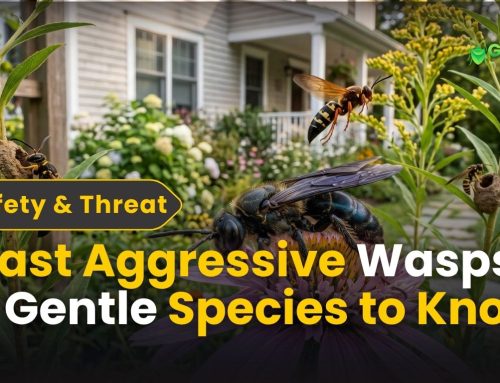
Yellowjackets, wasps, and hornets are a growing concern for outdoor seating areas, warehouses, and retail storefronts throughout Westport, Wilton, and New Canaan. These pests don’t just frighten customers they can cause serious allergic reactions.
How Commercial Pest Control Differs from Residential Treatment
This is a question we hear a lot, and the answer matters.
Residential pest control treats a home. Commercial pest control manages an entire business ecosystem and the stakes, the scale, and the regulatory requirements are completely different.
Here’s a quick comparison:
| Feature | Residential | Commercial |
| Property size | Small to medium | Medium to very large |
| Regulatory compliance | Minimal | High (OSHA, health codes, FDA) |
| Number of occupants | Family | Staff, customers, vendors |
| Treatment scheduling | Flexible | Must minimize disruption |
| Documentation required | Rarely | Often mandatory |
| Pest pressure frequency | Seasonal | Year-round |
Commercial pest management programs are designed with Integrated Pest Management (IPM) principles in mind. Rather than simply spraying chemicals and hoping for the best, IPM involves inspection, identification, monitoring, and targeted treatment — with an emphasis on long-term prevention rather than short-term fixes.
Learn more about how Integrated Pest Management works from the EPA’s official IPM resource it’s the gold standard for responsible commercial pest control in 2026.
What Does a Professional Commercial Pest Control Program Look Like?
If you’ve never worked with a commercial pest control provider before, you might wonder what you’re actually signing up for. Here’s a realistic breakdown of what a professional program includes:
Step 1: Initial Inspection and Risk Assessment
A licensed pest management professional walks through your entire facility — from the loading dock to the break room, the utility closets to the HVAC room. They’re looking for:
- Entry points (gaps in foundation, pipe penetrations, door sweeps)
- Existing pest activity (live insects, droppings, damage, nesting signs)
- Conducive conditions (moisture, clutter, food storage issues)
- High-risk zones (kitchens, dumpster areas, storage rooms)
This inspection forms the foundation of your customized treatment plan. To understand what the professional anti-extermination process looks like in CT specifically, this step-by-step breakdown is worth reading.
Step 2: Treatment Plan Development
After the inspection, your provider develops a written pest management plan tailored to your business type, facility layout, and pest pressure. This plan outlines:
- Which pests are being targeted
- What treatment methods will be used
- Where treatments will be applied
- How frequently will service visits occur
- What documentation will be provided
Step 3: Initial Treatment
The first treatment addresses any active infestations. Depending on what was found during the inspection, this may include:
- Baiting (highly effective for ants, cockroaches, and rodents)
- Exclusion work (sealing entry points)
- Crack and crevice treatments (for hiding insects)
- Monitoring stations (for rodents and insects)
- Residual treatments (for perimeter defense)
For ant infestations specifically, baiting is often the most effective method because workers carry the bait back to the colony, eliminating the queen and the nest not just the foragers you can see.
Step 4: Ongoing Monitoring and Maintenance
This is where commercial pest control truly separates itself from a one-time spray. Regular service visits (monthly, bi-monthly, or quarterly, depending on your risk level) ensure that:
- Monitoring stations are checked and documented
- Emerging pest pressure is caught early
- Treatments are adjusted seasonally
- You maintain compliance with health department standards
Step 5: Reporting and Documentation
For businesses subject to health inspections, such as restaurants, food processors, healthcare facilities, and schools, documentation is critical. A professional provider maintains detailed service records, treatment logs, and inspection reports that demonstrate due diligence to regulatory agencies.
Business Ant Control: Why Ants Are a Special Challenge for CT Businesses
Let’s talk about ants in more depth, because they deserve it.
Business ant control is one of the most nuanced areas of commercial pest management. Here’s why:
Ants are social insects. They operate in highly organized colonies that can have multiple queens, satellite nests, and foraging trails that stretch 100 feet or more from the main nest. When a business treats ants with surface sprays, the chemical often acts as a “budding” trigger causing the colony to split into two or more satellite colonies, making the problem worse.
Effective ant control in commercial settings requires:
- Correct species identification. Different ant species require different treatment approaches. Carpenter ants, for example, nest in wood and require targeted injection treatments. Odorous house ants respond well to baiting. Pavement ants often need exterior granular treatment combined with interior monitoring.
- Colony-targeted treatments. The goal is to eliminate the queen and the colony — not just the foragers. This usually means using slow-acting baits that workers carry back to the nest.
- Sanitation coordination: Ants follow food and moisture. Your pest control professional will identify the conditions attracting ants and recommend sanitation improvements to remove their motivations for entering your building.
- Exclusion Sealing entry points, gaps around pipes, cracks in the foundation, and spaces under doors removes the pathways ants use to enter.
If you’ve been battling ants in your commercial kitchen, this guide specifically addresses ants in kitchen environments and is worth reading before your next service call.
And if you’re curious whether DIY methods are a viable option for your business, the honest answer for most commercial settings is: they’re not. Here’s a detailed breakdown of why DIY ant control methods fall short in environments with ongoing traffic and food sources.
Warning Signs Your CT Business Has a Pest Problem Right Now
Not every pest problem announces itself loudly. In fact, most infestations are well-established before a business owner ever spots the first visible sign. Here are the red flags to watch for:
Visual Signs
- Live insects during daylight hours (ants, cockroaches, flies)
- Rodent droppings near walls, in cabinets, under equipment
- Gnaw marks on packaging, wiring, or structural wood
- Dead insects in windows or along baseboards
- Ant trails leading to or from your kitchen, bathroom, or storage areas
Physical Evidence
- Grease marks along walls (rodent rub marks)
- Mud tubes on foundation walls (termite indicator)
- Sawdust piles near wood structures (carpenter ants)
- Shredded material used for nesting in storage areas
- Structural damage to wood beams, door frames, or flooring
Environmental Clues
- Musty odors that signal moisture or rodent activity
- Unexplained product damage in storage rooms
- Employees reporting bites or skin irritation
- Customers commenting on insects near tables or products
If you’re seeing any of these signs, especially in a food service or healthcare environment, don’t wait. The longer you delay, the more established the infestation becomes and the harder it is to eliminate. Reach out to a licensed commercial pest control professional to schedule an inspection before the situation escalates.
Commercial Pest Control in Greenwich, Stamford, Darien, and Fairfield County, CT
Pest pressure varies across Connecticut, and the Fairfield County shoreline communities face a unique combination of factors that drive pest activity year-round.
Greenwich, CT businesses, particularly in the hospitality and food service sectors along Greenwich Avenue and in the downtown district, deal with significant ant and rodent pressure due to the density of restaurants, proximity to Long Island Sound, and older building stock that offers plenty of entry points.
Stamford, CT, as the largest city in Fairfield County, has a high concentration of office buildings, hotels, restaurants, and multi-unit commercial properties. The scale of pest pressure here requires structured, documented commercial pest management programs — especially for properties with multiple tenants.
Darien, CT, and New Canaan, CT, are predominantly residential communities with a growing number of small retail shops, specialty restaurants, and professional offices. The wooded surroundings in these towns create significant wildlife and insect pressure, particularly from carpenter ants, stinging insects, and rodents.
Wilton, CT, and Westport, CT, are home to a mix of retail, dining, and professional service businesses along Route 7 and Post Road corridors. Ant pressure is particularly high in Westport’s downtown restaurant district, where outdoor seating areas and nearby landscaping provide ideal foraging conditions.
Across all of these communities, businesses share a common challenge: high-expectation customers who will not tolerate a visible pest problem. Commercial pest control in CT needs to be discreet, effective, and professionally managed.
Green and Eco-Friendly Commercial Pest Control: What to Look For in 2026
In 2026, many Connecticut businesses, particularly those with sustainability commitments or food safety certifications, are prioritizing eco-conscious pest management approaches. The good news is that green commercial pest control has never been more effective.
Integrated Pest Management (IPM) is the cornerstone of eco-friendly commercial pest control. Rather than defaulting to broad-spectrum chemical applications, IPM prioritizes:
- Biological controls were appropriate
- Physical exclusion to prevent entry
- Targeted, low-toxicity treatments applied only where needed
- Monitoring and data-driven decisions
- Reducing pesticide use overall
According to Wikipedia’s overview of Integrated Pest Management, the approach was developed as a response to the over-reliance on chemical pesticides in agriculture and has since been widely adopted in commercial and residential pest control.
When evaluating a commercial pest control provider in Connecticut, ask these questions:
- Do you use an IPM-based approach?
- What is your policy on pesticide selection and application?
- Can you provide documentation of treatment methods for our health department compliance needs?
- Do you offer green or low-impact treatment options for sensitive environments?
- Are your technicians licensed by the Connecticut Department of Energy and Environmental Protection (DEEP)?
These aren’t just good questions, they’re the right ones to ask if you want a provider who will protect your business without cutting corners.
The Real Cost of Waiting: Why Early Action Always Wins
We hear it often: “It’s just a few ants. We’ll deal with it later.”
Later almost always costs more. In every sense.
Here’s what “waiting” typically looks like in a commercial setting:
Month 1: A handful of ants were spotted near the break room sink. Employees spray with store-bought insecticide. Ants disappear for a few days.
Month 2: Ants return, now appearing in the kitchen and near the front desk. A manager buys more spray. Customers start noticing.
Month 3: A customer leaves a one-star review mentioning ants near the register. The health inspector arrives for a routine inspection and notes pest activity. The business is placed on a corrective action plan.
Month 4: The colony has split into three satellite nests. What could have been resolved with a targeted professional treatment in Month 1 now requires a multi-visit, intensive remediation program.
The best ways to get rid of ants always start with early intervention. And in a commercial environment, early intervention means professional intervention, not a spray can from the hardware store.
If you’re weighing professional service against going it alone, this DIY vs professional pest control comparison for CT businesses lays out the practical differences in detail.
Special Considerations for Different Business Types in CT
Not all commercial pest control programs look the same, because not all businesses have the same risk profile. Here’s how pest management needs differ across common business types in Connecticut:
Restaurants and Food Service
Restaurants in Greenwich, Stamford, and Westport face the highest pest pressure of any commercial sector. Food, moisture, heat, and constant deliveries create ideal conditions for ants, cockroaches, flies, and rodents. Requirements include:
- Monthly or bi-monthly service visits
- Detailed documentation for health department compliance
- After-hours treatments to minimize disruption
- Drain treatment for fly control
- Exterior dumpster area management
For restaurants specifically, sugar ant infestations are one of the most common warm-season challenges, particularly in kitchens where sugary syrups, desserts, and soft drinks attract foragers by the thousands.
Retail and Boutique Shops
Retail environments face pest pressure from deliveries (cardboard boxes are a common entry vehicle for cockroaches and ants), customer foot traffic, and break room food storage. Key priorities include:
- Perimeter monitoring and exclusion
- Storage area inspection protocols
- Discreet, non-disruptive treatments during off-hours
Medical and Healthcare Facilities
Medical offices, dental practices, and outpatient facilities in Darien, New Canaan, and Wilton must maintain exceptionally stringent pest-free environments. Chemical applications must be carefully selected to avoid interference with medical equipment or sensitive patient populations.
Office Buildings
Multi-tenant office buildings throughout Fairfield County often have shared pest pressure an infestation in one unit can quickly migrate to others. Building managers need comprehensive, building-wide programs rather than piecemeal tenant-by-tenant treatments.
Schools and Childcare Centers
Schools and daycares face strict regulatory oversight and heightened sensitivity around chemical use. IPM-based programs using baiting, exclusion, and monitoring rather than broadcast chemical applications are essential in these environments.
What to Expect When You Call a Commercial Pest Control Company in CT
First contact with a professional commercial pest control provider should feel organized and informative — not like a high-pressure sales call. Here’s what a reputable provider will typically do:
- Ask about your business type and size. This helps them understand your regulatory requirements, pest pressure profile, and scheduling needs.
- Schedule a professional inspection. No legitimate commercial pest management plan is written without a site visit. Be wary of any provider who quotes you a program without seeing your facility.
- Provide a written proposal. Your proposal should outline exactly what services are included, how frequently, what pests are covered, and what documentation you’ll receive.
- Discuss your specific concerns. Whether it’s ants in the bathroom (a surprisingly common issue in commercial settings), rodents in the storage room, or cockroaches in the kitchen, a good provider listens before prescribing.
- Outline their licensing and insurance. Connecticut requires pest control applicators to be licensed through the Department of Energy and Environmental Protection. Always confirm your provider’s license is current.
Ready to take that first step? Contact Green Pest Management CT to schedule a commercial inspection for your Fairfield County business.
Pro Tips: How to Reduce Pest Pressure in Your CT Business Right Now
You don’t have to wait for a service visit to start making your business less attractive to pests. Here are practical, immediately actionable steps:
Sanitation
- Store all food in sealed, airtight containers
- Clean up crumbs, spills, and food residue immediately
- Empty trash cans daily especially in break rooms and kitchens
- Keep dumpsters tightly covered and away from building entry points
- Clean floor drains weekly to prevent fly breeding
Exclusion
- Install door sweeps on all exterior-facing doors
- Seal gaps around pipe penetrations with copper mesh or caulk
- Repair any cracks in foundation walls or exterior siding
- Check weatherstripping on windows and doors regularly
- Screen utility vents and weep holes
Moisture Reduction
- Fix leaky pipes and faucets promptly
- Ensure proper drainage around the building perimeter
- Use dehumidifiers in basements and crawl spaces
- Ventilate storage areas adequately
Storage Management
- Keep storage rooms organized and off the floor where possible
- Rotate stock on a first-in, first-out basis
- Inspect incoming deliveries for signs of pest activity
- Avoid accumulating cardboard boxes, which provide nesting sites
Employee Training
- Brief staff on what to report and how
- Create a simple pest sighting log for your location
- Designate a single point of contact for pest-related communications with your provider
These steps won’t replace professional commercial pest control, but they will dramatically reduce the conditions that attract pests in the first place.
Choosing the Right Commercial Pest Control Partner in CT: A Checklist
Not all pest control companies are equipped to handle commercial accounts. Before signing a service agreement, run through this checklist:
Licensed by CT DEEP, confirm the applicator’s license number
Carries liability insurance, essential for commercial properties
Offers written service agreements, not just verbal commitments
Provides detailed documentation necessary for health department compliance
Uses IPM-based approaches, not just reactive chemical spraying
Has commercial account experience, ask for references from similar business types
Offers flexible scheduling, service visits shouldn’t disrupt your operations
Communicates clearly, you should always know what was done and why
Responds promptly to emergency calls; pest problems don’t wait for your next scheduled visit
Stands behind their work, and will return at no charge if an issue persists
FAQ: Commercial Pest Control in Connecticut
How often does a commercial property in CT need pest control service?
For most businesses in Fairfield County especially food service, retail, and healthcare — monthly or bi-monthly service visits are standard. Office buildings and lower-risk facilities may be adequately covered with quarterly service. The right frequency depends on your business type, pest pressure history, and regulatory requirements. Your pest management provider should recommend a schedule based on an actual inspection of your facility.
Is commercial pest control different from what I’d use at home?
Yes significantly. Commercial pest control programs are larger in scope, involve regulatory compliance and documentation, use commercial-grade products and equipment, and are designed to minimize disruption to business operations. The treatment strategies, scheduling, and service agreements are all tailored to the specific demands of a business environment rather than a home.
Can ants really be that big of a problem for a business?
Absolutely. Business ant control is one of the most requested commercial pest management services in Connecticut for good reason. Ant colonies in commercial buildings can number in the hundreds of thousands. They contaminate food, invade customer-facing areas, trigger health code violations, and are notoriously resistant to over-the-counter treatments. A professional approach that targets the colony — not just the foragers — is the only reliable long-term solution.
What should I do if a customer reports seeing a pest in my business?
Take it seriously and act immediately. Thank the customer, document the report, and contact your pest control provider the same day. If you don’t have a current pest management program in place, this is the moment to establish one. Check your facility for conducive conditions (food debris, moisture, entry points) and address them while waiting for your provider to respond.
Are the treatments used in commercial pest control safe for employees and customers?
When applied correctly by a licensed professional, commercial pest control treatments are formulated and applied to minimize risk to people and non-target animals. Your provider should inform you of any post-treatment precautions (such as ventilation periods) and should use products registered by the EPA for commercial use. In sensitive environments like schools or medical facilities, IPM-based programs using baiting and exclusion minimize chemical exposure even further.
Does Green Pest Management CT serve all of Fairfield County?
Yes. Green Pest Management CT provides commercial pest control services throughout Greenwich CT, Stamford CT, Darien CT, New Canaan CT, Wilton CT, Westport CT, and the surrounding areas. Contact us here to discuss your business’s specific needs and schedule a professional inspection.
What’s the difference between a one-time pest treatment and an ongoing program?
A one-time treatment addresses the immediate visible infestation, but it doesn’t prevent reinfestion or monitor for emerging pest pressure. An ongoing commercial pest management program provides continuous protection through regular inspections, monitoring, treatments as needed, and documentation. For businesses subject to health code oversight, an ongoing program is typically required — and it’s always the more cost-effective choice over the long run because it prevents infestations from reaching crisis level.
Conclusion: Your Business Deserves Professional Protection
Pests are not a minor inconvenience for a business. They’re a liability. And in the competitive, reputation-driven markets of Greenwich, Stamford, Darien, New Canaan, Wilton, and Westport, a single pest incident can undo months of brand-building work.
The businesses that win at pest prevention aren’t the ones who react fastest after something goes wrong. They’re the ones who never let it go wrong in the first place — because they have a professional commercial pest control program working quietly in the background, every single month.
Whether you’re battling ants already infiltrating your building or you want to be proactive before the warm season brings peak pest pressure, now is the time to act.
Green Pest Management CT specializes in protecting Connecticut businesses with eco-conscious, IPM-based pest management programs designed for Fairfield County’s unique environment and regulatory landscape. Our licensed team understands what it takes to keep your facility pest-free, your employees comfortable, and your customers confident.
Don’t wait for a health inspection to make pest control a priority.
Schedule your commercial pest inspection today — and stop pests before they stop your business.