General Knowledge Base: Learn Something New Every Day | Complete Ant Behavior Guide
INTRODUCTION
You’re in your kitchen pouring your morning coffee when you spot them—a thin trail of ants marching across your counter like they own the place.
This common scenario plays out in thousands of Connecticut homes every year, from Greenwich to Westport, and it’s one of the most frustrating pest problems homeowners face. But here’s what most people don’t realize: understanding ant behavior facts and how these insects communicate is the secret to stopping infestations before they become disasters. A general knowledge base about ants isn’t just educational, it’s your first defense against full-scale invasions that can contaminate food, damage property, and spread disease throughout your home.
This comprehensive guide reveals everything you need to know about ant behavior, fascinating facts about how ants communicate through pheromones, and the complete ant lifecycle. By understanding what drives these tiny invaders and how they work together, you’ll learn why DIY solutions fail and why professional intervention becomes necessary when small problems turn into major crises. Let’s explore the hidden world of ants and take back control of your Connecticut home.
UNDERSTANDING ANT BEHAVIOR: THE FASCINATING FACTS
What Makes Ants Tick: Real Behavior Patterns You Should Know
A solid general knowledge base about ant behavior starts with understanding that these insects aren’t random wanderers. They’re sophisticated communicators following complex behavioral patterns that make them incredibly successful colonizers and incredibly persistent home invaders.
The colony as a superorganism:
When ants enter your home, they’re not acting individually. They’re part of a coordinated colony functioning almost like a single organism. This collective behavior is what makes ant control so challenging. You can kill dozens of ants with common sprays, but if the colony survives, you haven’t solved anything. Understanding this fundamental behavior pattern explains why temporary solutions always fail.
Ant behavior facts everyone should know:
Ants work 24/7 with military-like precision. They don’t sleep. While you’re resting, they’re foraging, building, and expanding territory. A single colony can contain thousands or even millions of individual ants, each playing a specific role. Worker ants discover food sources and recruit others instantly. Scout ants are constantly exploring new territory. Soldier ants defend the colony. The queen reproduces at staggering rates, sometimes laying thousands of eggs daily.
This organized structure is exactly why ants become such devastating home pests. They’re not just a nuisance; they’re an organized invasion force establishing supply lines through your property.
The Scout Ant: Your Home’s First Invader
Understanding the fascinating ant behavior facts about scout ants is crucial. These are your first warning signs. A single scout ant enters your home through a crack or gap, exploring methodically. If it finds food, literally any food source, something remarkable happens.
This is where pheromone communication becomes critical.
HOW ANTS COMMUNICATE: THE PHEROMONE REVOLUTION
Decoding the Chemical Language That Drives Infestations
If you want to understand why ants are so successful at invading homes, you need to understand how ants communicate through pheromones. This chemical communication system is so effective it represents a breakthrough in understanding ant behavior facts.
What are pheromones exactly?
Pheromones are chemical signals ants produce and release into their environment. Different pheromones convey different messages—all detected through smell. While humans rely on complex language, ants communicate through chemistry. They use approximately 20 different pheromone types, each triggering specific behaviors in other ants.
The scout’s discovery message:
When a scout ant finds food in your kitchen, it doesn’t rush back yelling, “Food this way!” Instead, it releases a trail pheromone a chemical marker leading from the food source back to the colony. Other ants detect this invisible chemical highway and follow it precisely. Within hours, what started as a single ant becomes a highway of hundreds marching through your home.
This explains the ant trails you see. They’re literally following chemical breadcrumbs laid down by successful scouts.
Pheromone types and their functions:
Trail pheromones guide ants to food sources. Alarm pheromones alert the colony to danger. Sex pheromones attract mates. Recruitment pheromones summon help when ants discover something too large to carry alone. Queen pheromones suppress reproduction in worker ants and maintain colony organization. Territorial pheromones mark colony boundaries.
Understanding this general knowledge base about pheromone communication reveals why standard ant spray doesn’t work long-term. Killing visible ants doesn’t eliminate the pheromone trails. Without removing these chemical markers, other ants simply follow the same path.
The Pheromone Trail Problem in Your Connecticut Home
Imagine this: You spray visible ants with a conventional insecticide. The visible ants die. You feel satisfied. But here’s what actually happened underneath your spray’s success the pheromone trails remain active. New ants, detecting the chemical markers, follow the exact same path your spray killed the previous ants on.
This is why conventional sprays provide only temporary relief. They address the symptom (visible ants) without treating the underlying cause (active pheromone recruitment system). Within 24-48 hours, more ants arrive. The infestation actually worsens because the colony is now in overdrive recruitment mode, responding to increased demand for food discovered in your kitchen.
Professional pest control works differently. Understanding pheromone behavior, professionals use baits that disrupt this communication system and eliminate the entire colony at its source not just visible ants.
ANT BEHAVIOR FACTS: THE FASCINATING LIFECYCLE
From Egg to Worker Understanding Complete Ant Development
A comprehensive general knowledge base about ants requires understanding their lifecycle, because this lifecycle determines how quickly infestations explode and why acting immediately is crucial.
The complete ant lifecycle:
The egg stage lasts 7-14 days, depending on species and temperature. Eggs are so small they’re invisible to human eyes. The larval stage follows, lasting 5-12 days. Larvae look like tiny white grains, still microscopic. The pupal stage (pre-adult) lasts 7-14 days. Finally, adult ants emerge fully formed and ready to work.
The total development time from egg to working adult is approximately 3-4 weeks in warm conditions like heated homes. This rapid development means a single queen laying eggs today produces thousands of workers within a month.
Why this matters for your Connecticut home:
If you discover an ant infestation in February, by March, you could have a colony ten times larger. Spring and summer acceleration make early action critical. A small problem ignored becomes catastrophic by June.
Ant lifespans are longer than you realize:
Worker ants live 4-13 weeks in favorable conditions. Male ants live only 2-3 weeks. But the queen, the key to colony survival, can live 15-30 years. This explains why killing workers never solves any problems. The queen keeps producing replacements indefinitely.
This fascinating ant behavior fact fundamentally changes how pest control must approach infestations. You cannot eliminate an ant problem without eliminating the queen. Traditional sprays kill workers. Professional baits eliminate the queen and the colony permanently.
Seasonal Behavior Changes: Why Ants Get Worse in Spring
Understanding ant behavior facts throughout seasons helps explain why infestations peak at specific times. Ants are most active during warm months. Spring arrival triggers colony expansion. Queens increase egg-laying rates. Workers expand foraging territories. Summer means maximum colony population and maximum aggression.
Fall brings colony consolidation as ants prepare for winter. Winter forces ants indoors searching for warmth and food stores. A heated Connecticut home looks like paradise to winter ants, warm, protected, and full of food.
This seasonal pattern means your prevention and control efforts need seasonal adjustment. Winter inspection is critical because ants seeking indoor shelter reveal entry points needing sealing.
WHY ANTS INVADE YOUR HOME: THE BEHAVIOR DRIVERS
Understanding What Attracts Ants to Connecticut Properties
Food sources attract scouts relentlessly. Any food source—however small—triggers pheromone recruitment. A single crumb from yesterday’s sandwich becomes a highway for thousands of ants. Sugary foods attract ants most intensely because they provide energy for the colony. Protein sources (meat, grease, dead insects) attract different ant species but equally intensely.
Water sources are equally important. Ants need moisture. Leaking pipes, condensation, or even damp soil around your foundation create perfect conditions for colony establishment.
Shelter from the weather matters. Connecticut winters are harsh. Your insulated home offers perfect shelter where colonies survive year-round. Once ants establish a nest in your wall void or basement, they’re essentially permanent residents unless professionally removed.
The behavior cascade:
A single scout finds food in your kitchen. It recruits other scouts through pheromone trails. Thousands arrive within hours. Pheromones accumulate, recruiting even more ants in a reinforcing cycle. The colony now recognizes your home as a food source worth defending. They establish satellite nests inside your walls. The infestation transitions from occasional visitors to permanent residents.
This escalation typically happens within weeks. What starts as a minor annoyance becomes a serious problem requiring professional intervention.
SIGNS OF ANT INFESTATION: RECOGNIZING THE PROBLEM
Early Warning Signs You’re About to Face a Major Problem
Visible ant trails represent the most obvious sign. These highways appear during morning or evening hours when foraging peaks. If you see even one trail, understand you’re witnessing only a fraction of the actual colony activity. Hidden ants work in walls, under floorboards, and inside cabinets where you can’t see them.
Small piles of debris near baseboards or under appliances indicate nesting sites. Ants excavate soil and building materials, creating these telltale piles. Finding debris means active nests exist inside your home.
Swarms of winged ants indicate the colony is reproducing and establishing new colonies. This is an emergency sign requiring immediate professional intervention. Winged ants are males and females preparing to mate and start new colonies elsewhere.
Food contamination in sealed containers shows ants have accessed your kitchen completely. Once ants contaminate food stores, it’s unsafe to consume. Ant colonies can also introduce harmful bacteria through their bodies and secretions.
Sudden carpenter ant activity (large black ants) indicates potential structural damage. While carpenter ants don’t eat wood like termites, they excavate galleries inside wood creating damage pathways. Professional carpenter ant identification and removal is essential before structural damage worsens.
Understanding these signs means acting before infestations become disasters.
WHY DIY SOLUTIONS FAIL: THE HIDDEN TRUTH
The Gap Between Temporary Relief and Permanent Solutions
Most Connecticut homeowners try DIY solutions first. They purchase over-the-counter sprays, apply them around visible ant trails, and feel satisfied when they disappear. But this satisfaction is deceptive.
Spray kills visible workers but ignores the actual problem. The colony survives untouched. The queen continues reproducing. The pheromone system remains active recruiting new workers to replace dead ones. Within 24-48 hours, more ants return—sometimes in greater numbers than before.
Why DIY baits often fail:
Homeowners place baits haphazardly without understanding ant behavior patterns. Ants may ignore poorly placed baits if food sources remain available elsewhere. Even effective baits require time typically 3-7 days to eliminate the queen. Impatient homeowners often abandon baits prematurely, thinking they don’t work, when actually they need more time.
Incorrect product selection kills effectiveness.
Different ant species require different control approaches. What works for sugar ants fails for carpenter ants. Without proper species identification, you’re essentially guessing. Professional ant species encyclopedia resources help identify which species you’re facing, but most homeowners skip this step.
The contamination risk remains.
DIY applications around food preparation areas pose contamination risks. Even approved pesticides can cause problems if applied incorrectly. Professional pest control applies treatments safely in food-free areas, eliminating contamination risk to your family.
COMPARING CONTROL METHODS: WHAT ACTUALLY WORKS
Spray vs. Bait vs. Natural Solutions—Honest Effectiveness Comparison
| Control Method | Effectiveness | Speed | Safety | Long-Term Results |
| Conventional Spray | Kills visible ants only | Immediate | Moderate risk | Temporary (24-48 hrs) |
| Bait Stations | Eliminates colony | 3-7 days | High (sealed) | Permanent if applied correctly |
| Natural/DIY Methods | Variable effectiveness | Slow/variable | High safety | Usually temporary |
| Professional Treatment | Eliminates colony + prevention | 1-2 weeks full elimination | Controlled application | Permanent with follow-up |
| Diatomaceous Earth | Moderate effectiveness | 1-2 weeks | High safety | Usually temporary |
Spray delivers speed but fails long-term. Ants disappear quickly but return equally quickly. You’re trapped on a treadmill of repeated applications, never solving the underlying problem.
Bait stations work slowly but thoroughly. Initial effectiveness takes 3-7 days. During this period, you may actually see more ants as recruitment increases. But this increased activity means baits are working—ants carrying poison back to the queen. Patience here pays off with permanent elimination.
Natural remedies offer safety but limited effectiveness. Vinegar, cinnamon, and essential oils repel ants temporarily but don’t eliminate colonies. They’re better as preventive measures than treatment solutions.
Professional treatment combines multiple approaches. Professionals use fast-acting bait systems, targeted sprays, and comprehensive prevention strategies. They identify entry points, eliminate nesting sites, and establish barriers preventing future infestations.
This comprehensive approach costs more upfront but eliminates ants permanently rather than endlessly treating symptoms.
PRACTICAL PREVENTION: PROTECTING YOUR HOME
Building Your Defense Before Ants Arrive
Prevention is always superior to treatment. Understanding ant behavior facts helps you understand what prevention actually prevents.
Eliminate food sources ruthlessly:
Ants can survive on microscopic food particles invisible to human eyes. Standard cleaning isn’t enough. Prevention-level cleanliness means no crumbs, no grease residue, no accessible food. Store food in airtight containers. Clean up spills immediately. Never leave pet food exposed. Take out trash daily.
Seal water sources:
Fix leaking pipes immediately. Reduce condensation around pipes. Keep gutters clean, preventing moisture accumulation. Ants need water—eliminating water sources removes a major attractant.
Ants penetrate through cracks smaller than a grain of sand. Thorough inspection finds gaps around windows, doors, pipes, and utility connections. Professional sealing uses materials ants cannot penetrate. This single step prevents most infestations before they start.
Maintain exterior barriers:
Keep vegetation away from your foundation. Ants use branches touching your home as highways. Clear mulch from immediate foundation areas. These adjustments eliminate aerial highways ants use to reach upper stories.
Monitor actively:
Even with prevention, periodic inspection catches early infestations before they establish. Checking basement and kitchen monthly identifies ant activity before populations explode. Early detection means quick elimination before contamination spreads.
CUSTOMER SUCCESS STORIES: WHAT ACTUALLY WORKS IN CONNECTICUT
Real Results from Greenwich to Westport Homeowners
The Stamford Kitchen Invasion:
A family discovered sugar ants throughout their kitchen in April. They tried three different over-the-counter products over two weeks with temporary relief each time. Each time, ants returned worse than before. Frustrated after spending $200 on failed DIY attempts, they contacted professionals who identified the species, located the colony in the wall void, and eliminated it within seven days using targeted bait stations. Comprehensive sealing prevented return. This family now prevents infestations through seasonal inspections.
The Westport Carpenter Ant Crisis:
Large black carpenter ants appeared in a home’s second story. The homeowner assumed they could spray them away. Six months later, significant structural damage required expensive repairs. Professional intervention finally identified and removed the colony, but wood damage had already occurred. This homeowner learned expensive lessons about early professional action preventing property damage.
The Darien Prevention Success:
A Greenwich homeowner implemented comprehensive prevention after learning about ant behavior facts sealing entry points, eliminating food sources, and regular monitoring. Five years later, no ant infestation has been established. This proactive approach prevented all ant problems completely.
These real situations illustrate a pattern: Professional intervention earlier saves money and prevents damage compared to repeated DIY attempts followed by eventual professional action.
PROFESSIONAL INTERVENTION: WHY IT BECOMES NECESSARY
Understanding the Professional Ant Extermination Process
When DIY efforts fail, and they usually do, professional pest control becomes necessary. Understanding what professionals do differently helps explain why they succeed where DIY fails.
Professional assessment identifies species and location:
Professionals begin with a detailed inspection, identifying exact ant species. Different species require different elimination approaches. They locate nesting sites using specialized knowledge and tools. They assess how long infestations have existed and how extensive they’ve become.
Targeted treatment based on behavioral knowledge:
Professionals apply the best ant baits specifically selected for identified species. They place baits strategically along ant highways where ants will find them naturally. They use appropriate spray applications for exposed nesting sites. Multiple approaches simultaneously address visible and hidden populations.
Colony elimination focus:
Unlike homeowners killing visible workers, professionals focus on eliminating the queen—the colony’s irreplaceable member. Baits designed for this purpose are carried by workers to the queen, eliminating her specifically. Without the queen, the colony collapses completely.
Prevention implementation:
After eliminating existing infestations, professionals seal entry points, identify food sources requiring elimination, and establish barriers preventing future invasions. This comprehensive approach prevents reinfestation.
Follow-up monitoring:
Professional pest control includes follow-up inspections, ensuring complete elimination. They adjust treatment if necessary and document success.
BUILDING YOUR ANT CONTROL CHECKLIST
Essential Steps for Choosing the Right Control Approach
Assessment Phase: identify ant species (sugar ants, carpenter ants, pavement ants, etc.)
Locate primary nesting sites and entry points
Document infestation timeline (how long have ants been present?)
Assess current food source availability in your home
Check for existing water sources attracting ants
DIY Evaluation: Realistically assess your ability to identify species
Consider whether you can spare 2-3 weeks for bait effectiveness
Evaluate whether you’ll maintain strict cleanliness during treatment
Determine if you can locate and seal all entry points yourself
Consider contamination risks around food preparation areas
Professional Consideration: Get a detailed assessment from professionals explaining the approach
Understand the timeline for complete elimination
Learn about the prevention measures they’ll implement
Ask about follow-up inspections and guarantees
Evaluate long-term value versus upfront investment
Prevention Implementation: Seal all visible cracks and entry points
Establish rigorous food storage and cleanliness protocols
Fix all water leaks and reduce moisture
Clear vegetation from the foundation perimeter
Schedule seasonal inspections for early detection
EXPERT TIPS: LEVERAGING GENERAL KNOWLEDGE FOR BETTER RESULTS
Professional Recommendations Based on Ant Behavior Understanding
Timing matters significantly. Act immediately upon detecting ant activity. Every week of delay allows colony expansion. Spring detection requires immediate action before the summer population explosion. Fall prevention stops winter invasions before they establish.
Placement and timing are critical for baits. Baits placed haphazardly don’t work. Position baits directly along ant highways where ants naturally travel. Don’t move baits if activity increases initially—this indicates the baits are working. Allow baits 5-7 days minimum before evaluating effectiveness.
Species identification changes everything. What eliminates sugar ants fails for carpenter ants. Fire ants require completely different approaches than common household species. Invest time identifying which species you’re facing before attempting elimination.
Elimination without prevention guarantees reinfection. Killing existing ants while leaving entry points open simply allows new colonies to establish. Prevention is as important as elimination. Sealing your home properly prevents reinfestation permanently.
Combination approaches work better than single solutions. Baits address the colony. Sprays address visible ants. Sealing addresses future entry. Prevention addresses attractants. Using multiple approaches simultaneously achieves faster, more complete results.
FAQ: YOUR ANT BEHAVIOR AND CONTROL QUESTIONS ANSWERED
Common Questions About Ant Behavior Facts and Effective Solutions
How quickly can an ant infestation grow from a single scout ant?
A single scout discovering a food source can attract hundreds of ants within 12 hours and thousands within 24 hours through pheromone recruitment. Within 2-3 weeks, a full colony with thousands of workers can establish. This exponential growth is why acting immediately upon discovery is critical. Delaying treatment allows populations to grow exponentially during this critical window.
What exactly are pheromones, and how do ants use them to communicate?
Pheromones are chemical compounds that ants produce and release into their environment. Different pheromone types trigger different behaviors—trail following, alarm responses, recruitment, mate attraction, and territory marking. Ants detect pheromones through smell, creating a chemical communication system far more sophisticated than human language. Understanding this system explains why killing visible ants doesn’t eliminate the infestation—pheromone trails remain active, recruiting replacement workers.
Why do professional treatments work better than over-the-counter products?
Professional pest control succeeds because it targets the entire colony, particularly the queen, rather than just visible workers. Professionals use species-specific approaches based on identification rather than generic products. They place treatments strategically based on ant behavior patterns rather than haphazardly. Professionals implement prevention simultaneously with treatment, preventing reinfection. The comprehensive professional approach addresses root causes rather than symptoms.
How long does it take to eliminate an ant colony?
Bait treatments typically require 3-7 days to eliminate colonies as baits are carried to the queen. During these days, you may see increased ant activity as baits work. Spray treatments provide immediate visible results but rarely eliminate the entire colony. Complete professional elimination with follow-up monitoring typically requires 1-2 weeks to confirm no survivors remain.
What’s the difference between ant behavior in summer versus winter?
Summer brings peak ant activity with maximum foraging and colony expansion. Queens increase egg-laying rates. Colonies expand territory aggressively. Winter forces ants into inactivity and survival mode. Colonies retreat into protected areas like wall voids and basements. Ants seek shelter indoors from the cold. Understanding these seasonal patterns means adjusting your prevention and monitoring strategies seasonally.
Why do ants suddenly appear in kitchens and bathrooms?
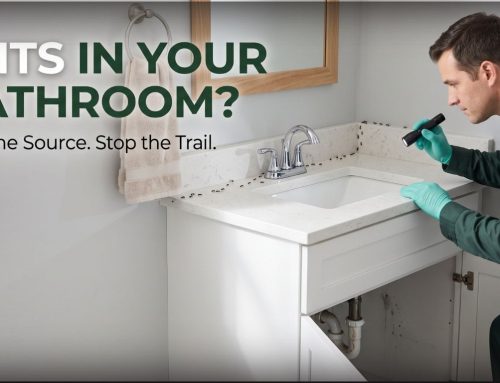
Ants appear in kitchens, attracted by food sources. They appear in bathrooms, attracted by water and moisture. Once a scout discovers these resources, pheromone recruitment brings thousands more within hours. Food and water are the primary drivers of ant invasions. Eliminating these attractants prevents invasions before they start.
Can I really eliminate ants with just natural remedies like vinegar or essential oils?
Natural remedies repel some ants temporarily, but don’t eliminate colonies. They work better as preventive barriers than treatment solutions. Vinegar washes away quickly. Essential oils have temporary effectiveness. Natural approaches can supplement professional treatment but shouldn’t replace it for existing infestations.
THE COST OF INACTION: WHY DELAYING PROFESSIONAL HELP IS EXPENSIVE
Understanding Long-Term Consequences of Temporary Solutions
Choosing temporary DIY solutions over comprehensive professional treatment creates false economy. You save money short-term while accumulating exponential costs long-term.
Each failed DIY attempt costs money for ineffective products. Multiply this across repeated applications over weeks or months, and DIY costs approach professional treatment. Meanwhile, the infestation worsens.
Contaminated food requires replacement. Once ants contaminate your pantry, previously safe food becomes questionable. Replacing food supplies adds unexpected costs.
Property damage accumulates silently. Carpenter ants excavating wood cause damage invisible until it becomes severe. Structural repairs cost thousands, compared to hundreds for professional elimination. Early professional action prevents expensive repairs.
Health risks mount. Ants bite and cause health issues, particularly for children and elderly residents. Ants also introduce bacteria into food preparation areas. Health problems trigger additional medical costs.
Ants in kitchens and bathrooms multiply problems. These high-traffic areas mean exposure increases daily. Kitchen infestations threaten food safety. Bathroom infestations indicate moisture problems requiring attention.
Comprehensive professional treatment upfront prevents all these cascading costs. This is why professional intervention becomes economically beneficial despite higher initial investment.
CREATING YOUR GENERAL KNOWLEDGE BASE FOR ANT MANAGEMENT
Building Understanding That Prevents Future Problems
This general knowledge base about ant behavior facts, pheromone communication, and lifecycle patterns transforms you from a helpless homeowner to an informed decision-maker. You now understand why ants behave as they do, why they’re so successful invading homes, and why comprehensive professional solutions work where DIY approaches fail.
Understanding fascinating ant behavior facts, their chemical communication, reproductive capacity, and organizational structure reveals they’re not simple insects but sophisticated invaders requiring sophisticated solutions. Knowledge is your first defense.
Use this information to:
Make immediate decisions upon discovering ants. Every day of delay allows exponential population growth.
Choose professional solutions over repeated DIY attempts. The initial investment prevents months of wasted money and frustration.
Implement comprehensive prevention strategies. Understanding what attracts ants lets you eliminate attractants systematically.
Schedule regular inspections. Early detection catches infestations before establishment.
Partner with professionals understanding ant behavior. Expert knowledge accelerates elimination and prevents reinfestation.
TAKE ACTION NOW: PROTECTING YOUR CONNECTICUT HOME
Don’t let ants establish permanent residence in your Greenwich, Stamford, Darien, New Canaan, Wilton, or Westport home.
Your understanding of ant behavior facts and pheromone communication means you recognize the seriousness of even small ant problems. You know that single scouts today become thousands tomorrow. You understand why temporary solutions fail and why comprehensive professional intervention succeeds.
Take action immediately:
Contact professionals today if you’ve already discovered ants. Every day of delay allows colony expansion. Early intervention prevents the catastrophic growth that turns small problems into disasters.
Implement prevention strategies immediately. Seal entry points. Eliminate food and water sources. Begin regular monitoring. Prevention is always superior to treatment.
Request a professional assessment even without a current infestation. Professional preventive inspection and recommendations protect your home before problems develop.
Don’t attempt DIY solutions expecting success. Understanding ant behavior explains why over-the-counter products fail. Professional expertise achieves results that DIY approaches cannot.
Your family’s health, your home’s structural integrity, and your peace of mind are worth professional intervention.
Book your professional ant assessment today. Let professionals who understand ant behavior eliminate your infestation comprehensively and permanently. Your Connecticut home deserves better than endless ant battles.
RELATED RESOURCES FOR COMPLETE ANT MANAGEMENT
- Professional Ant Extermination Process in Connecticut
- Ant Species Encyclopedia – Expert Identification Guide
- Best Ant Baits Comparison – Top 2026 Solutions
- Prevention Strategies Hub – Smart Money-Saving Tips
- DIY vs. Professional Pest Control in Connecticut
- Health & Safety Desk – Workplace Ant Protection