TikTok Ant Hacks: Do They Really Work? Tested 2026
It starts innocently enough. You are scrolling through TikTok, sipping your morning coffee in your Greenwich kitchen, when you see it. A video with millions of views, promising to banish ants forever using nothing but a mixture of vinegar and essential oils. The comments are full of people swearing by it. It looks easy, cheap, and chemical-free.
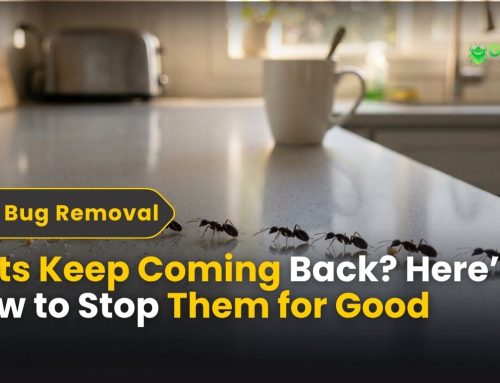
But before you raid your pantry to replicate these viral TikTok ant hacks, you need to know the truth. As a homeowner in Connecticut, specifically in areas like Stamford, Darien, or Westport, you know that ant season isn’t a joke. One day, you see a single scout; the next, your kitchen counter looks like a highway.
We decided to test the most popular home remedies that ants enthusiasts are buzzing about in 2026. We wanted to separate the quick fixes from the actual solutions. Does vinegar actually kill them? Do ants really hate peppermint oil? And if these hacks fail, what should you do next?
Let’s dive into the reality of viral pest control.
The Viral Appeal of TikTok Ant Hacks
Why are these videos so popular? Because they tap into a desire for instant gratification. We want a solution that is already in our cabinets. We want to avoid calling an expert. We want to believe that a spray bottle and some pantry staples can solve a problem that has plagued humanity for centuries.
The algorithm favors cheap ant-control methods. They are visually satisfying—who doesn’t love watching a line of ants scatter? However, what looks good on a 30-second video often fails to address the root of the problem.
The Psychology Behind the Quick Fix
When you see an ant in your Wilton home, your immediate reaction is to kill it. TikTok hacks cater to that immediate emotional response. But understanding the “why” behind the ants is more important than the “how” of killing them. Are they looking for water in your bathroom? Are they foraging for sugar in your pantry?
As we test these methods, keep in mind that the goal isn’t just to kill the ants you see. The goal is to eliminate the colony. If you don’t get the queen, you’re just fighting an endless war of attrition.
Tested: Does Vinegar Kill Ants Effectively?
Let’s start with the most common hack: vinegar. If you search for vinegar kill ants on TikTok, you will find thousands of videos showing people spraying white vinegar along baseboards and countertops, claiming the ants flee immediately.
We tested this in a controlled environment to see whether it works and lasts.
The Science of Smell
Vinegar (acetic acid) is a powerful scent. When you spray it on surfaces, it effectively destroys the pheromone trails that ants leave behind. Ants follow these trails to lead their colony to food sources. By erasing the trail, you confuse the worker ants. They can’t figure out how to get back to the food, so they scatter.
Our Verdict:
Does vinegar kill ants? No. The vinegar itself does not kill the ants (unless you drown them in it). It acts as a temporary repellent.
- Pros: It cleans the surface and disrupts trails. It is safe around children and pets compared to harsh chemicals.
- Cons: Once the vinegar dries (usually within 24 hours), the scent dissipates, and ants will lay down new trails. It does nothing to the colony living in your yard or walls.
The 2026 Update: The “Vinegar Trap” Hack
A new variation of this hack in 2026 involves mixing vinegar with dish soap to actually kill ants on contact. The soap breaks the surface tension of the ant’s exoskeleton, causing it to drown.
- Effectiveness: This works to kill the ants you spray directly.
- The Flaw: You will never spray enough ants to kill the 10,000+ members of the colony hiding in your garden.
Pro Tip: If you want to use vinegar as a preventative measure in your Darien home, wipe down surfaces daily with it. However, rely on it as a cleaner, not a solution.
The Aroma Trend: Do Essential Oils Ants Hate?
Another massive category of tiktok ant hacks involves essential oils ants supposedly can’t stand. Peppermint, tea tree, clove, and eucalyptus oils are the superstars here. Influencers mix 10-15 drops with water and spray entry points.
Testing Peppermint Oil
We applied a peppermint oil mixture around the door frames of a test property in New Canaan.
- Immediate Results: Ants stopped crossing the line temporarily. The strong smell seemed to act as a sensory overload.
- Long-Term Results: By day three, the ants had found a way around the oil line. By day five, they were crossing it anyway.
Why Essential Oils Fail in the Long Run
While essential oils repel ants initially, ants are incredibly resilient. If there is a food source (like a forgotten cookie crumb or a leaky pipe), the colony will eventually adapt to the smell.
Furthermore, essential oils and ant repellents are high-maintenance. To keep them effective, you have to reapply them every 2-3 days. In humid Connecticut summers, the spray evaporates even faster.
For a deeper look at why natural methods sometimes fall short compared to integrated pest management, check out our guide on natural ant repellents that keep ants away . It outlines the specific scenarios where DIY natural methods work as a supplement, not a standalone cure.
The “Miracle” Mixtures: Diatomaceous Earth & Borax
Not all TikTok hacks are sprays. Some of the more credible ones involve powders like Diatomaceous Earth (DE) or Borax mixed with sugar.
Diatomaceous Earth (DE)
This is a fine powder made from fossilized algae. It works by cutting the exoskeleton of the ant, causing them to dehydrate and die. It is often hailed as a “natural” solution.
- Effectiveness: High, if applied correctly.
- Downside: It must remain dry. In a Connecticut kitchen or bathroom, where moisture is common, DE clumps up and becomes useless. It is also messy and can be a respiratory irritant if inhaled.
The Borax Hack
This is the hack that actually has biological merit. Borax (sodium borate) is a slow-acting poison. When mixed with a sweet substance (like sugar water), worker ants carry it back to the colony, feed it to the queen and larvae, and eventually kill the colony.
- Why TikTok Shows It: It looks cool to see ants swarming a cotton ball soaked in the mixture.
- The Risk: If the ratio is wrong (too much borax), the ants die too quickly and never make it back to the colony. If it’s too weak, it doesn’t kill the queen. Additionally, Borax is toxic to pets and children if ingested.
Why Do TikTok Ant Hacks Fail in Greenwich & Stamford Homes?
Living in Fairfield County comes with unique challenges. We aren’t dealing with the same ant species as someone in Arizona or Florida. In Greenwich, Stamford, Darien, and Westport, we primarily deal with Odorous House Ants (the ones that smell like coconut when crushed) and Pavement Ants.
The Geography Factor
Our homes in Connecticut are often older, with historic foundations that settle and crack over time. While a TikTok hack might deter ants from entering through a visible gap in the kitchen window, it won’t stop them from pouring in through a hairline crack in the basement foundation in Wilton.
If you are currently seeing a trail of tiny ants in your kitchen, it is crucial to identify the type. Sugar ants are attracted to sweets and moisture. If you are dealing with ants in the kitchen, getting rid of them fast is the priority, but understanding the species determines the treatment. For a detailed breakdown on tackling sweet-seeking invaders, read our post on get rid of sugar ants .
The Bathroom Scenario: A Different Beast
A specific search trend we see is ants in the bathroom, quick fixes. TikTok suggests using peppermint oil or vinegar sprays around the toilet or sink. But why are ants in the bathroom in the first place?
In Connecticut summers, ants enter bathrooms seeking two things: water and shelter. If you have a persistent ant problem in your bathroom in Darien or New Canaan, a spray won’t fix the underlying moisture issue. You likely have a leak behind the wall or condensation attracting them.
While TikTok hacks might offer a temporary deterrent, they don’t fix the moisture source. If you notice ants congregating around pipes or tubs, it’s a sign of a larger structural humidity issue.
Step-by-Step: What to Do If a TikTok Hack Fails
So, you tried the vinegar. You bought the peppermint oil. You sprinkled cinnamon everywhere (yes, that’s a hack too). The ants are still there. Now what?
Here is a checklist to move from viral trends to actual resolution:
- Stop Spraying Repellents: If you have used repellent sprays (even natural ones), do not use bait traps immediately. Ants will avoid the area. You need to stop repelling them so they will take the bait.
- Switch to Baiting: Use a gel bait (like Advion or Terro). Place it where you see the ants. Unlike repellents, bait attracts them. They take it back to the nest.
- Identify the Entry Point: Go outside. Look for mounds in the yard (pavement ants) or trails running up the side of the house. Seal cracks with caulk or expanding foam.
- Consider Professional Help: If you have tried baiting for two weeks with no reduction, you likely have a satellite colony inside your walls. This is common in the historic homes of Westport and Greenwich.
For a comprehensive look at why your DIY attempts might be failing, our guide on diy ant control methods compares the pros and cons of over-the-counter solutions versus professional intervention.
Comparison Table: TikTok Hacks vs. Reality (2026)
To help you visualize the effectiveness, here is a quick comparison of the most popular TikTok anti-hacks versus actual results.
| TikTok Hack | How It Works (Allegedly) | Reality Check (2026) | Best Use Case |
| Vinegar Spray | Kills ants and erases trails. | Only erases trails; doesn’t kill colony. Dries out quickly. | Surface cleaner/ temporary trail disruptor. |
| Peppermint Oil | Repels ants with a strong scent. | Repels temporarily but loses potency in 2-3 days. High maintenance. | Preventative barrier (requires daily reapplication). |
| Borax & Sugar | Workers take poison to the colony. | Works if the ratio is perfect. Risky for pets/kids. | High effectiveness if used correctly outdoors. |
| Cinnamon | Suffocates ants. | Does not suffocate; it merely irritates. Ants walk over it. | Minimal. Mostly aesthetic. |
| Diatomaceous Earth | Cuts exoskeleton; dehydrates. | Works only when dry. Ineffective in humid CT bathrooms/kitchens. | Dry areas like attics or crawl spaces. |
The Science of Getting Rid of Ants Fast
If you are in a crisis—perhaps you are hosting a dinner party in Stamford or have children crawling on the floor in Wilton—you need speed. How to get rid of ants fast: complete resolution requires a dual approach.
If you need immediate action, follow the how to get rid of ants fast complete guide. It outlines the “bait and seal” method, which is the gold standard.
- Sanitize: Wipe down counters with soapy water (not vinegar yet). Soap actually kills ants on contact and removes pheromones.
- Bait: Place gel bait near the trail. Do not kill the ants walking to the bait. Let them feed and return home.
- Vacuum: Use a vacuum with a HEPA filter to suck up visible ants. Do not spray them with a repellent, as this contaminates the bait area.
- Seal: Once the activity dies down (usually 24-48 hours), seal the entry points.
Professional Extermination: When Viral Hacks Aren’t Enough
There is a reason why pest control is a billion-dollar industry. Ant colonies are complex super-organisms. A queen can live for decades. A colony can split into multiple colonies (budding) if threatened.
If you are in Greenwich, Stamford, or Darien, you are living in a prime habitat for ants. The mix of wooded areas, historic homes, and humid summers creates a perfect storm. Relying solely on tiktok ant hacks is like using a Band-Aid to treat a broken leg.
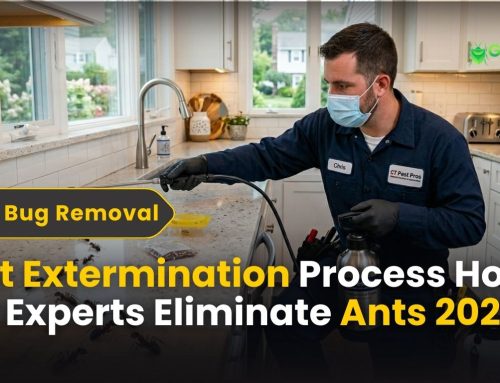
Understanding the professional ant extermination process ct reveals why experts are so effective. Professionals don’t just treat the ants you see; they treat the perimeter of your home, identify the species (Carpenter ants vs. Odorous ants require different treatments), and use commercial-grade baits that are specifically designed to kill the queen.
The Cost of DIY Failure
While we aren’t discussing the cost of services here, consider the cost of your time and frustration. Buying bottle after bottle of essential oils, spending weekends re-spraying baseboards, and dealing with recurring infestations takes a toll.
Furthermore, misidentifying ants can be dangerous. If you have Carpenter ants (which TikTok often confuses with regular black ants), ignoring them can lead to structural damage to your home. Carpenter ants burrow into wood. A viral hack won’t fix a rotting window sill.
DIY vs. Professional: The Ultimate Showdown
If you are on the fence about whether to keep trying TikTok trends or call a local expert, consider the variables. Are you dealing with a few ants in the kitchen? Or are you seeing winged ants (swarmers) inside your house?
The decision often comes down to scale. A great resource for weighing this decision is diy vs professional pest control ct . This article helps you draw the line between what is manageable for a homeowner and when you need to call in the cavalry.
When to stick with DIY:
- You see 5-10 ants occasionally.
- It is early spring, and they are just scouting.
- You have identified a specific crack outside that you can seal.
When to move past TikTok hacks:
- You see trails of 50+ ants consistently.
- You see them coming out of electrical outlets or light fixtures.
- You have tried multiple baits for two weeks with no success.
- You find sawdust (frass) indicating carpenter ants.
Conclusion: Stop Scrolling, Start Solving
Let’s be honest. Tiktok ant hacks are entertaining. They offer a sense of control when you feel invaded in your own home. But as we’ve tested in 2026, these methods are largely temporary band-aids. Vinegar cleans trails but doesn’t kill the colony. Essential oils smell nice but fade quickly. Even the better hacks, like borax, require perfect execution and come with safety risks.
If you are living in Greenwich, Stamford, Darien, New Canaan, Wilton, or Westport, your home is your sanctuary. You shouldn’t have to spend your weekends re-applying essential oils to your baseboards just to cook dinner in peace.
The real “hack” is understanding that effective ant control is a process: Sanitize, Bait, Seal, and Protect. If you are tired of the endless cycle of viral trends failing you, it’s time to trust the experts who deal with Connecticut ants every single day.
Ready to reclaim your home from ants—for good?
Don’t let another TikTok trend waste your time. Get a lasting solution tailored to your home. Contact us today for a professional assessment and let us handle the pests so you can get back to enjoying your home.
Frequently Asked Questions (FAQ)
Q: Does vinegar kill ants instantly?
A: No, vinegar does not kill ants on contact unless it is mixed with dish soap. Its primary function is to erase the pheromone trails ants use to communicate, causing temporary confusion. For long-term control, you need to eliminate the colony, not just the trail.
Q: What is the number one best home remedy for ants?
A: The most effective home remedy is a bait mixture of Borax and sugar water (a 1:3 ratio). However, this must be placed out of reach of pets and children. It works by allowing worker ants to carry the poison back to the nest to kill the queen.
Q: Why do I still have ants after using essential oils?
A: Essential oils act as repellents, not killers. While the strong scent (like peppermint) may deter ants temporarily, it does not kill the colony. If the food source (your home) is attractive enough, the ants will eventually ignore the smell or find a new entry point around it.
Q: Are TikTok anti-hacks safe for kitchens?
A: Many are safer than chemical sprays, but caution is still needed. While vinegar and essential oils are generally safe for food surfaces, Borax and Diatomaceous Earth can be harmful if inhaled or ingested. Always ensure any DIY mixture is clearly labeled and stored away from food preparation areas.
Q: Why are ants in my bathroom if I keep it clean?
A: Ants in the bathroom are usually seeking water, not food. This is especially common in Connecticut during dry spells or high heat. They may be drawn to moisture from a leaking pipe, condensation on the toilet, or even the humidity in the shower.
Q: Can I use vinegar and bait at the same time?
A: No. Vinegar repels ants. If you spray vinegar on your counters, ants will avoid the area, meaning they won’t take the bait back to the colony. If you are using bait stations, avoid using any strong-smelling repellents (including essential oils) nearby.
Q: What is the fastest way to get rid of ants in the kitchen?
A: The fastest way is a two-step process. First, use a vacuum or soapy water to clean up visible ants and erase their trail. Second, place gel bait (like Advion) in the path where the ants were. Do not spray anything. The bait attracts the remaining ants, and they will carry it back to the nest, killing it at the source.