Ant Extermination Process: How Experts Eliminate Ants Fast
If you’ve just discovered a trail of ants marching across your kitchen counter in Stamford or a mysterious pile of sawdust near your baseboards in Greenwich, your first thought is likely, “How do I get rid of these, fast?” Ants are relentless, and while a quick spray might kill the ones you see, it rarely solves the real problem. To truly eliminate an infestation, you need to understand the comprehensive ant extermination process that professionals use to achieve lasting results.
In 2026, pest control technology has advanced significantly. We no longer rely on broad-spectrum, harsh chemicals that just shift the problem around. Today, professional ant exterminator strategies focus on integrated pest management (IPM)—a smarter, safer, and more effective approach that targets the colony at its source. If you are tired of fighting a losing battle against these invasive insects, understanding the ant extermination process is the first step toward taking back your home.
Why DIY Ant Control Usually Fails
Before we dive into the professional ant extermination process, it’s important to address why those store-bought sprays and baits often don’t work. The primary reason is that most over-the-counter products are “contact killers.” They eliminate the few foraging ants you see, but they do absolutely nothing to the thousands of ants—including the queen—waiting back in the nest.
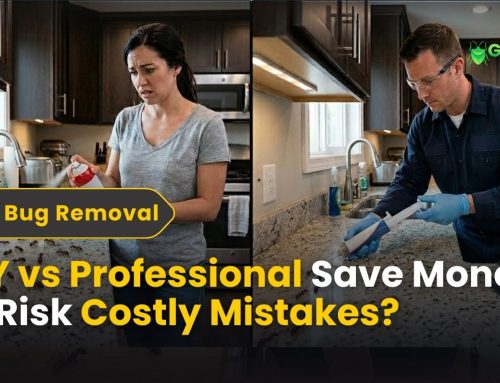
Furthermore, many homeowners misidentify the type of ant they have. Treating sugar ants requires a different strategy than treating carpenter ants. If you use a repellent spray on a colony of Pharaoh ants, for example, it can cause a phenomenon called “budding,” where the colony detects the threat and splits into multiple new colonies, actually worsening the infestation. This is a primary factor in the DIY vs professional pest control debate.
The Professional Ant Extermination Process: Step-by-Step
When you hire an ant exterminator from Green Pest Management, you aren’t just paying for someone to spray pesticide. You are investing in a proven, multi-stage ant extermination process designed to identify, eliminate, and prevent ant infestations.
Phase 1: Comprehensive Inspection
This is the most critical step of the entire ant extermination process. Without a proper inspection, any treatment is just guesswork.
- Identification: Different ant species respond to different baits and treatments. Our experts will identify if you are dealing with Pavement Ants, Odorous House Ants (sugar ants), or the destructive Carpenter Ant. According to ant research from entomological societies, identification dictates the choice of active ingredients.
- Locating the Nest: We don’t just look for trails; we track them back to their source. Nests can be located inside walls, under slabs, in decaying wood, or far out in the yard in towns like New Canaan or Darien.
- Identifying Conducive Conditions: We look for what is attracting the ants in the first place—moisture issues, unsealed food, or branches touching the house.
Phase 2: Customized Treatment Plan
Once we know what kind of ant we are dealing with and where they are nesting, we develop a customized treatment strategy, a cornerstone of effective pest control. This plan will vary based on the layout of your home and the severity of the infestation.
Phase 3: Targeted Elimination (Inside and Out)
This is where the actual ant extermination process takes physical action. Our 2026 protocols emphasize precision and safety.
- Non-Repellent Baits: These are modern marvels of pest control technology. The baits are slow-acting toxins disguised as a desirable food source. Foraging ants take the bait back to the nest and share it with the queen and larvae, eliminating the entire colony.
- Precision Dusting: For ants nesting inside wall voids (common with carpenter ants), we use specialized equipment to apply a fine insecticidal dust that reaches deep into hidden areas.
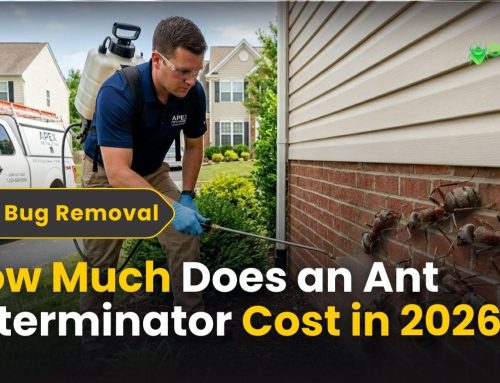
- Exterior Perimeter Barrier: We create a precise, undetectable barrier around the foundation of your Greenwich or Westport home. Ants cross this barrier without realizing it, picking up the toxin and carrying it back to their satellite nests in the yard.
| Stage | DIY Approach | Professional Process |
| Inspection | Brief visual check | Structural and entomological analysis |
| Identification | Often “just an ant” | Species-specific identification |
| Treatment | Contact sprays (surface level) | Non-repellent baits (colony elimination) |
| Results | Temporary relief, likely recurrence | Root cause elimination, long-term prevention |
The Exterminator Near Me: Local Expertise Matters in CT
If you’re searching for an exterminator near me in Fairfield County, local knowledge is essential. The pest challenges in Westport CT are different from those in urban Stamford.
For instance, homes in wooded areas like Wilton or New Canaan are far more susceptible to carpenter ant infestations, which require aggressive, structural treatments. Homes closer to the coast in Darien might see more pavement ants or odorous house ants seeking moisture. At Green Pest Management, our team is deeply familiar with the local environment in CT, USA. We know the specific nesting habits of Connecticut ants and can tailor the ant extermination process to your exact GEO-location.
Post-Treatment: Maintaining an Ant-Free Home
The ant extermination process doesn’t officially end when the exterminator leaves your driveway. Prevention is a continuous requirement.
Pro Tips for Ongoing Prevention:
- Sanitation: Keep counters clean of crumbs, wipe up spills immediately, and don’t leave pet food out overnight.
- Moisture Control: Fix leaky pipes and ensure your gutters are redirecting water away from the foundation—ants are highly attracted to moisture.
- Sealing Entry Points: Use caulk to seal cracks in foundation walls, gaps around utility pipes, and worn weather stripping.
- Yard Maintenance: Trim branches and bushes so they do not touch the side of your house, as these act as “ant highways.”
If you’ve completed the professional treatment and followed these steps, you’re on track for a pest-free 2026. For more prevention strategies, see our guide on the best ways to get rid of ants permanently.
DIY vs Professional: When to Make the Call
When deciding between DIY ant control methods and calling a professional ant exterminator, consider the scope of the problem. If you see two pavement ants near your front door, a simple homemade ant trap or improved sanitation might suffice.
However, if you see sawdust, winged ants inside your home (a sign of a mature, swarming colony), or multiple trails in different rooms, you have a structural infestation that requires the professional ant extermination process. Trying to handle a significant carpenter ant problem yourself can lead to expensive structural damage while you waste time with ineffective remedies.
You can find more detailed information regarding the variables that affect professional treatment strategies in our complete guide on ant exterminator variables.
FAQ: Your Ant Extermination Questions Answered
1. What does the professional anti-extermination process entail?
The professional ant extermination process is a systematic approach that includes species identification, locating the nest, applying targeted (often non-repellent) treatments to eliminate the colony and queen, and implementing prevention measures. It focuses on colony elimination rather than just killing surface ants.
2. How can I find a reliable exterminator near me in CT?
To find a reliable exterminator near me in CT, look for companies with strong local reviews in towns like Stamford, Greenwich, and Norwalk. Ensure they are licensed by the state of Connecticut and utilize modern Integrated Pest Management (IPM) techniques.
3. Will the ant extermination process work on sugar ants?
Yes, but the strategy is unique. When our ant exterminator treats sugar ants (often Odorous House Ants), we rely heavily on slow-acting, sweet-based baits. If we use a strong repellent spray, it can cause the colony to split, making the problem worse.
4. How long does the entire ant extermination process take?
You will often see a significant reduction in ant activity within 48 hours. However, the complete ant extermination process of the entire colony (especially the queen) can take from one to three weeks, depending on the species and size of the colony.
5. Can I handle a large ant infestation myself (DIY)?
While DIY ant control methods might manage small, isolated pavement ant issues, they are rarely effective against structural infestations like carpenter ants. The risk of misidentifying the ant or making the infestation worse (budding) is high, making the professional ant extermination process a more reliable choice for lasting results.
Conclusion: Take Back Your CT Home
You don’t have to share your home with ants. The professional ant extermination process is a science-backed, strategic approach that ensures pest control results are swift, safe, and sustainable. Don’t waste another season fighting a losing battle with grocery-store sprays.
If you are seeing signs of ants in Greenwich, Stamford, Darien, New Canaan, Wilton, or Westport, trust the local expertise of Green Pest Management. We combine advanced 2026 protocols with a deep understanding of Connecticut’s unique pest landscape.
Ready to live ant-free? Contact us today to schedule your comprehensive inspection and let our expert ant exterminator handle the entire ant extermination process for you. We are dedicated to providing the most effective, exterminator near me services in Fairfield County!