Ants Keep Coming Back? Here’s How to Stop Them for Good
You wipe the counter, spray the baseboards, and feel a sense of victory. Then, the next morning, you see them again. A steady stream of tiny invaders marching across your kitchen floor like they own the place. If ants keep coming back despite your best efforts, you’re not alone—and you’re not doing anything wrong. You’re just missing the bigger picture.
The truth is, most DIY methods only address what you see. They kill the scouts, mask the trails, or temporarily repel the workers. But until you understand why ants keep coming back, you’ll be stuck in an endless cycle of spraying and praying. In this guide, we’ll uncover the real reasons behind persistent infestations, bust common myths, and give you a permanent solution whether you’re in Greenwich, CT, Stamford, CT, or anywhere in between.
Why Do Ants Keep Coming Back? The Hidden Truth
If ants keep coming back after you’ve cleaned and sprayed, it’s usually because of one of three reasons. Let’s break them down.
1. You’re Only Killing the Workers
Ant colonies are massive. A typical odorous house ant colony can have thousands of workers and multiple queens. When you kill the ants you see, you’re only eliminating the foragers—the scouts sent out to find food. The colony remains intact, hidden in your walls, under your foundation, or in your yard. As long as the colony is alive, ants keep coming back.
2. You’re Using Repellents Incorrectly
Many people reach for strong-smelling sprays or essential oils, thinking they’ll kill the ants. While essential oils ants hate and vinegar kill ants on contact, these are repellents, not colony eliminators. They erase trails and drive ants away temporarily, but the colony simply finds another entry point or waits until the smell fades. This is why a sudden ant infestation seems to happen overnight—they’ve just regrouped.
3. You’re Not Addressing the Attractants
Ants come inside for three reasons: food, water, and shelter. If you’ve cleaned the crumbs but haven’t fixed that leaky pipe under the sink or sealed the crack in the foundation, you’re leaving the welcome mat out. In Connecticut, where humid summers create ideal conditions, even a small moisture source can be enough to ensure ants keep coming back.
Summer Ant Control: Why Connecticut Homes Are Vulnerable
If you live in Greenwich, Stamford, CT, Darien, CT, New Canaan, CT, Wilton, CT, or Westport, CT, you know that summer brings more than just beach days. It brings ants. The warm, humid conditions in CT, USA, are perfect for ant activity.
During the summer, ant colonies are at their peak population. They’re foraging aggressively to feed the colony. Heavy rains—common in Connecticut summers can also flood outdoor nests, driving ants indoors seeking dry shelter. This explains why sudden ant infestation often follows a summer storm.
Effective Summer Ant Control isn’t about one-time treatments. It’s about understanding the seasonal patterns and applying prevention before the heat hits. For a comprehensive look at fast elimination strategies, check out our guide on how to get rid of ants fast.
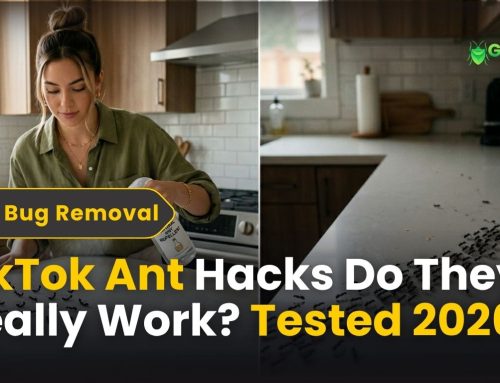
Ant Myths Debunked: What TikTok Won’t Tell You
Social media is full of viral TikToks and hacks that promise instant results. Some are harmless; others are downright dangerous. Let’s separate fact from fiction.
Myth 1: Bleach Kills Ants Permanently
Reality: Bleach kills ants on contact, but it’s toxic to humans and pets. More importantly, it doesn’t reach the colony. The ants you don’t see will simply avoid the area and find another route.
Myth 2: Cinnamon and Coffee Grounds Are Powerful Repellents
Reality: Cinnamon and coffee grounds can deter ants temporarily, but they won’t eliminate an infestation. They’re best used as a short-term barrier while you address the root cause.
Myth 3: Boiling Water Down the Mound Kills Everything
Reality: Boiling water can kill surface ants, but many colonies are deep underground with satellite nests. You might kill one entrance while the rest of the colony survives. Plus, boiling water can kill your grass.
Myth 4: Vinegar Alone Will Solve the Problem
Reality: Vinegar kills ants on direct contact, and it’s an excellent natural ant repellent for trails. But it won’t kill the colony. For a deeper dive into this, visit our page on does vinegar really kill ants effective.
Myth 5: All Ants Are the Same
Reality: Different species require different treatments. What works for sugar ants won’t necessarily work for carpenter ants or pavement ants. Misidentifying the species is a major reason ants keep coming back.
TikTok Ant Hacks That Actually Work (And One to Avoid)
Not all viral hacks are useless. Here are a few TikTok anti-hacks that have real merit—and one you should skip.
| Hack | Does It Work? | Why |
| Borax + Sugar Bait | Yes | The sugar attracts ants; borax is carried back to the colony, killing the queen. This is a proven, cheap ant control method. |
| Peppermint Oil Spray | Yes, as a repellent | Essential oils ants hate, especially peppermint, create a barrier they won’t cross. Great for keeping them out of cabinets. |
| Chalk Lines | No | Ants can easily cross chalk lines. This is a myth with no scientific backing. |
| Diatomaceous Earth | Yes | Food-grade diatomaceous earth is a mechanical killer. It damages their exoskeleton and dehydrates them. Safe for pets and kids when used correctly. |
| Vinegar + Water Spray | Yes, for trails | It erases pheromone trails and kills on contact. Use it as part of a broader strategy, not as the sole solution. |
For more proven DIY strategies, explore our collection of DIY ant control methods.
Natural Ant Repellent vs. Colony Elimination: What’s the Difference?
This is the single most important concept to understand if you want to stop the cycle. Most natural ant repellent methods, like essential oils ants hate, vinegar sprays, and cinnamon, create a temporary barrier. They’re excellent for keeping ants out of specific areas, but they don’t eliminate the source.
Colony elimination methods, on the other hand, target the nest. These include:
- Baits (borax or commercial gels): Workers carry the poison back to the colony.
- Diatomaceous earth: Applied near entry points, it kills ants over time.
- Professional treatments: Targeted insecticides that reach hidden nests.
If you’ve been relying solely on repellents, it’s no surprise that ants keep coming back. You’ve been playing defense instead of offense.
For a deeper understanding of how to keep ants away long-term, read our guide on natural ant repellent keeps ants away.
Home Remedies Ants Hate (That Actually Work)
When searching for home remedies ants despise, you’ll find endless suggestions. Here are the ones with a real scientific basis.
1. Borax and Sugar Bait
- Recipe: 1 part borax, 3 parts powdered sugar
- Placement: Small amounts on index cards near ant trails
- Why it works: Workers mistake it for food, carry it back, and poison the colony
2. Essential Oil Barrier
- Recipe: 10–15 drops peppermint oil + 1 cup water + few drops dish soap
- Placement: Spray along baseboards, windowsills, and entry points
- Why it works: The strong scent overpowers their senses and disrupts pheromone trails
3. Diatomaceous Earth (Food Grade)
- Application: Thin line along foundation, under appliances, and in cracks
- Why it works: Abrasive powder damages exoskeletons, causing dehydration
4. Vinegar and Water Solution
- Recipe: 1:1 white vinegar and water
- Placement: Spray on countertops, trails, and entry points
- Why it works: Erases pheromone trails and kills on contact
For targeted advice on specific rooms, check out our guides on ants in kitchen get rid of them fast and ants in bathroom quick fixes.
Most Dangerous Ants: When to Worry
Most ants you’ll encounter are nuisance pests. But there are species where you need to take immediate action. Knowing the most dangerous ants can save you from structural damage or health risks.
| Ant Species | Risk Level | Why |
| Carpenter Ants | High | They don’t eat wood, but they tunnel through it to build nests. Over time, they can compromise structural integrity. Look for sawdust (frass) near baseboards. |
| Fire Ants | High (rare in CT) | Their sting is painful and can cause severe allergic reactions. Fire ants are more common in southern states, but climate change is expanding their range. |
| Odorous House Ants | Low | Nuisance pests. They don’t bite or damage structures, but they’re persistent and difficult to eliminate. |
| Pavement Ants | Low | Mostly harmless. They nest in cracks in pavement and foundations. |
If you suspect carpenter ants, don’t wait. They can cause costly damage. Learn about the professional ant extermination process ct experts use to locate and eliminate hidden colonies.
Step-by-Step: How to Stop Ants for Good
If ants keep coming back, follow this proven system.
Step 1: Identify the Species
Take a photo. Note the size, color, and behavior. Are they tiny and black (odorous house ants)? Larger and black with a smooth thorax (carpenter ants)? This determines your treatment.
Step 2: Find the Trail
Follow the ants. Where are they entering? Look for cracks in walls, gaps under doors, or openings around pipes. Seal these with caulk or weatherstripping.
Step 3: Erase the Trails
Spray vinegar solution along the trail and wipe clean. This disrupts communication.
Step 4: Set Baits, Not Just Repellents
Place borax-sugar baits near the trail. Do not spray repellents near the bait—you’ll confuse them. Wait 3–5 days. You may see more ants at first; that’s a good sign.
Step 5: Create a Barrier
Once activity decreases, spray essential oils ants hate or diatomaceous earth around entry points to prevent new scouts from finding their way in.
Step 6: Eliminate Attractants
- Store food in airtight containers
- Fix leaky faucets and pipes
- Seal cracks in the foundation
- Trim vegetation away from the house
Step 7: Monitor and Repeat
Ant control is ongoing. Check baits regularly. Reapply barriers after rain. If ants keep coming back after two weeks of consistent baiting, the colony may be deep inside your walls.
For a complete overview of treatment options, explore our guide to the best ways to get rid of ants.
Why Professional Help Is Sometimes Necessary
There’s a point where cheap ant control reaches its limits. If you’ve tried baits, repellents, and prevention but ants keep coming back, it’s time to consider professional intervention.
Here are signs you need an expert:
- You see large black ants (carpenter ants) and frass (sawdust) near wood
- The infestation persists for more than two weeks despite consistent baiting
- You have multiple colonies in different areas of the home
- You’re unsure of the species and want a safe, targeted approach
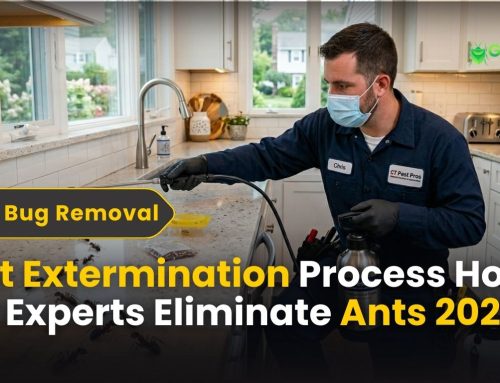
Professional exterminators don’t just spray what you see. They locate the nest, identify the species, and apply treatments that reach hidden colonies. For a look at what that process involves, read about the professional ant extermination process that homeowners trust.
If you’re weighing DIY against professional help, our guide on DIY vs professional pest control ct can help you decide.
Pro Tips for Long-Term Success
- Rotate Baits: Some colonies prefer protein-based baits over sugar. If sugar baits aren’t working after a week, try a protein bait.
- Don’t Clean Too Soon: When using baits, resist the urge to clean the area. Let the workers carry the poison back. Cleaning too early resets the process.
- Inspect Seasonally: Check your foundation and entry points every spring and fall. Early prevention is easier than elimination.
- Share Knowledge: If you’re in a multi-unit building, coordinate with neighbors. Ants can travel between units.
Frequently Asked Questions (FAQ)
1. Why do ants keep coming back even after I clean everything?
Cleaning removes visible food sources, but it doesn’t eliminate the colony. The ants you see are foragers. The nest with the queen and thousands of workers remains hidden. As long as the colony is alive, ants keep coming back.
2. What is the best cheap ant control method that actually works?
The combination of borax-sugar baits (to kill the colony) and a vinegar spray (to erase trails) is the most effective, cheap ant control strategy. It costs pennies and targets the root cause.
3. Does vinegar kill ants permanently?
Vinegar kills ants on direct contact, but it’s not a permanent solution. It erases pheromone trails and acts as a repellent, but it doesn’t kill the colony. For a deeper explanation, visit does vinegar really kill ants effective.
4. What essential oils are best for keeping ants away?
Essential oils ants hate the most include peppermint, tea tree, eucalyptus, and citrus oils. Mix 10–15 drops with water and a little dish soap to create a natural ant repellent spray.
5. Are there any ants in Connecticut that I should worry about?
Carpenter ants are the most dangerous ants in Connecticut because they can damage wood structures. If you see large black ants and piles of sawdust (frass), contact a professional.
6. What’s the deal with TikTok ant hacks? Do any work?
Some tiktok ant hacks like borax-sugar baits and diatomaceous earth are effective. Others, like chalk lines and cinnamon barriers, are mostly myths. Stick to science-backed methods for real results.
7. How can I prevent a sudden ant infestation in summer?
Focus on Summer Ant Control by sealing entry points before the season, fixing moisture issues, and using natural ant repellent barriers around your foundation. Heavy rains can drive ants indoors, so inspect after storms.
Conclusion: Break the Cycle for Good
If ants keep coming back, it’s not because you’re failing—it’s because you’ve been treating the symptoms, not the cause. The key to lasting relief is shifting from temporary repellents to colony elimination. Combine baits with prevention, seal entry points, and understand the species you’re dealing with.
Whether you’re in Greenwich, CT, Stamford, CT, Darien, CT, New Canaan, CT, Wilton, CT, or Westport, CT, these strategies work. And if you’ve tried everything and the ants are still winning, know that professional help is available to locate the hidden nest and stop the cycle for good.
Ready to stop ants from coming back? Explore our complete guide on how to get rid of ants fast, or reach out to our team today. Contact us for a consultation—because your home should belong to you, not the ants.