Kill Cockroaches Permanently – No More Roaches
You spotted one scurrying across your kitchen floor at midnight. Then another near the sink. If you’re reading this, chances are you’re already dealing with a cockroach problem — and you want it gone for good. The truth is, spotting even a single roach during the day is a serious red flag. These pests are experts at hiding, breeding fast, and surviving almost anything you throw at them.
The good news? You absolutely can kill cockroaches permanently — but it takes the right plan, not just a can of spray. This guide gives you a full 2026 roadmap for cockroach elimination that actually works, whether you’re a homeowner in Hartford, a renter in New Haven, or a business owner anywhere across Connecticut.
Let’s get into it.
Why Is It So Hard to Get Rid of Cockroaches?
Most people grab a roach spray, kill a few they can see, and think the problem is solved. A week later, they’re back. This happens because killing visible roaches doesn’t touch the colony hiding in Kill Cockroaches Permanently side your walls, under appliances, and in cracks you’ve never thought to look at.
According to the U.S. Centers for Disease Control and Prevention (CDC), cockroach allergens are one of the leading triggers of asthma and allergic reactions indoors, making elimination not just a comfort issue, but a genuine health concern.
Here’s why roaches are so resilient:
- They breed explosively. A single female German cockroach can produce up to 300–400 offspring in her lifetime.
- They hide brilliantly. Roaches spend up to 75% of their time tucked inside cracks, behind appliances, and inside walls out of reach of surface sprays.
- They’ve built resistance. Many roach populations in the U.S. have developed resistance to common over-the-counter insecticides, particularly pyrethroids.
- They share food. Roaches engage in trophallaxis, a behavior where they share ingested food with nestmates, which is actually what makes baiting so effective.
- They’re nocturnal. By the time you spot one in daylight, the infestation is usually already large.
Understanding this biology is what separates a temporary fix from a permanent solution.
What Kind of Cockroach Do You Have? (It Matters More Than You Think)
Before you can effectively get rid of cockroaches, you need to identify the species. Different roaches require different treatments, and using the wrong approach wastes time and money.
Here’s a quick reference for the three most common species found in Connecticut homes and businesses:
| Species | Size | Color | Typical Location | Difficulty in Eliminating |
| German Cockroach | ½ – ⅝ inch | Tan/Light Brown | Kitchens, bathrooms | Very High |
| American Cockroach | 1.5 – 2 inches | Reddish-Brown | Basements, sewers | Moderate |
| Oriental Cockroach | 1 – 1.25 inches | Dark Brown/Black | Damp, cool areas | Moderate |
The German cockroach is the most common species found indoors across Connecticut and the hardest to kill. If you’re seeing small, pale-brown roaches with two dark stripes on their heads, you’re dealing with Germans. They reproduce fastest, hide deepest, and are most resistant to sprays. For targeted advice on this species, read our guide on German cockroach extermination in 24 hours.
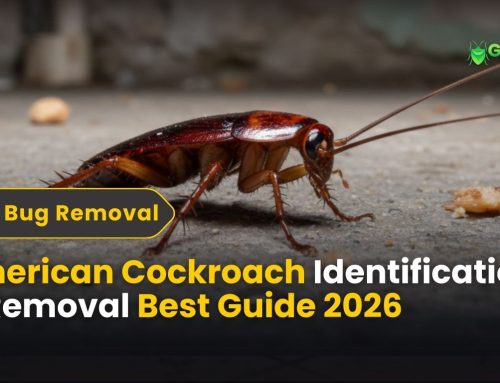
The American cockroach — often called a “water bug” tends to live in basements, drains, and utility areas. These are large and alarming but generally easier to control than German roaches.
Oriental cockroaches thrive in damp, cool spaces like crawl spaces and under porches. They’re slower breeders but carry significant bacteria.
Early Warning Signs You’re Dealing With a Roach Infestation
The earlier you catch an infestation, the easier it is to eliminate. Kill Cockroaches Permanently. Many Connecticut homeowners don’t realize they have a problem until it’s already well established. Knowing the early signs can save you months of frustration.
Watch for these red flags:
- Droppings that look like ground pepper or tiny dark cylinders near food sources, under sinks, or behind appliances
- Egg cases (oothecae) — small, brown, capsule-shaped cases tucked in crevices, inside cabinets, or behind furniture
- A musty, oily smell that gets stronger as the colony grows
- Smear marks — dark, irregular streaks along walls and baseboards near moisture
- Shed skins — roaches molt 5 to 8 times before adulthood; finding these translucent shells is a definite sign
- Seeing roaches during the day — this only happens when the population is so large that they’re being pushed out of their hiding spots
If you’re noticing any of these, don’t wait. Learn more about what to look for in our detailed breakdown of signs of a cockroach infestation in Connecticut homes.
How to Kill Cockroaches Permanently: A Step-by-Step 2026 Plan
This is the part that matters most. A real cockroach elimination strategy isn’t one product — it’s a system. Think of it like cutting off their food, their shelter, their water, and then hitting the colony from multiple angles at once.
Here’s the proven method used by pest control professionals:
Step 1: Deep Clean and Remove All Food and Water Sources
Kill Cockroaches Permanently are opportunistic survivors. They’ll eat crumbs, grease residue, cardboard, and even soap scum. Before any treatment works effectively, you need to remove everything that keeps them alive.
- Wipe down stovetops, counters, and cabinet interiors every night
- Store all food — including pet food — in sealed airtight containers
- Fix dripping taps, leaking pipes, and any moisture buildup under sinks
- Empty and clean garbage cans daily; use cans with tight-fitting lids
- Remove clutter — especially cardboard boxes, paper bags, and stacked magazines (roaches love to nest in these)
Pro Tip: Pay special attention to the area behind and under your refrigerator. The motor generates heat, and the drip tray collects moisture, making it one of the most common roach harborage spots in any Connecticut kitchen.
Step 2: Seal Entry Points and Cracks
Even if you eliminate every roach inside your home, new ones can move in from neighboring units, outdoor areas, or through utility lines. The U.S. Environmental Protection Agency (EPA) recommends sealing gaps and cracks as one of the most effective long-term prevention methods.
Seal these areas with caulk, foam sealant, or steel wool:
- Gaps around pipes entering through walls (under sinks, behind toilets, near the stove)
- Cracks along baseboards and where the flooring meets the walls
- Spaces around window frames and door frames
- Gaps behind and inside cabinets, especially in the kitchen
- Any openings where electrical wiring or plumbing enters from outside
In apartment buildings and multi-family homes common in cities like Bridgeport, Waterbury, and New Haven, sealing internal wall gaps is especially critical since roaches travel freely between units.
Step 3: Apply Cockroach Bait Gel (The Most Effective Tool Available)
If you only do one thing from this list, make it this. Cockroach bait gel is the single most effective tool for Kill Cockroaches Permanently at the colony level, and it’s what professional exterminators rely on most.
Here’s why it works so well: Roaches eat the bait, go back to their hiding spot, and die. Other roaches then feed on the dead roach and the toxicant kills them too. This is called the secondary kill effect, and it’s why bait gel can wipe out colonies that sprays never could.
Apply pea-sized dots of gel in the following locations:
- Inside cabinet hinges and along the back wall of kitchen cabinets
- Under the refrigerator and along the underside of the dishwasher
- Behind the stove, particularly near the motor area
- Under the sink, near the drain pipe
- Along the bottom edge of bathroom vanities
- Inside electrical outlet boxes (apply to the exterior wall, not inside the outlet)
Important: Do not spray insecticide near bait placements. Kill Cockroaches Permanently. The repellent in sprays will drive roaches away from the bait before they can consume it, defeating the purpose entirely.
Step 4: Use Insect Growth Regulators (IGRs)
Insect Growth Regulators are one of the most underused tools in residential pest control, and they’re extremely effective when combined with bait. IGRs don’t kill adult roaches. Instead, they interfere with the hormone systems that regulate molting and reproduction, meaning nymphs can’t develop into breeding adults, and eggs don’t hatch properly.
Products containing hydroprene or pyriproxyfen are widely available and approved for residential use by the EPA’s Office of Pesticide Programs. When used alongside bait gel, IGRs can collapse a roach colony within 3 to 6 weeks by stopping reproduction while the bait kills existing adults.
Step 5: Apply Roach Spray as a Perimeter Treatment, Not a Primary Solution
Roach spray does have a role in your strategy, but it’s a supporting one, not a primary fix. Kill Cockroaches Permanently Use it to create a chemical barrier around entry points and in areas where you cannot place bait (like along exterior doorways or around garage entrances).
For indoor use, targeted application along baseboards, behind appliances, and in non-bait zones can help knock down visible populations while the bait and IGR work on the colony.
The key distinction: spray kills what it touches in that moment. It does nothing for the hidden population. Use it as a perimeter defense, not a standalone solution.
For a detailed 7-step framework used by Connecticut pest professionals, check out our guide on how to exterminate cockroaches fast.
Step 6: Set Up Monitoring Traps
Kill Cockroaches Permanently Sticky traps (glue boards) serve two purposes: they catch individual roaches, and more importantly, they tell you where the activity is heaviest so you can focus your treatments.
Place traps in the following locations:
- Under the refrigerator and stove
- Inside the lower kitchen cabinets
- Under bathroom vanities
- In the basement near the water heater or utility pipes
- Along any wall where you’ve seen roach activity
Check traps every 3 to 5 days. If you’re catching more than 5 roaches per trap, the infestation is still active, and your baiting or sealing strategy needs adjustment.
Step 7: Follow Up and Stay Consistent
This is where most DIY efforts fall apart. People treat once, see fewer roaches, and assume the problem is solved. Then two weeks later, they’re back.
Cockroach elimination is a process, not a one-time event. Gel bait needs to be refreshed every 2 to 3 months (or sooner if consumed). IGR treatments should be reapplied seasonally. Monitoring traps should be checked and replaced monthly.
Consistency is what turns a temporary reduction into a permanent solution.
Natural Remedies: Do They Actually Work?
Some Connecticut homeowners prefer to start with natural or low-toxicity approaches before moving to chemical treatments, especially in homes with children or pets. Kill Cockroaches Permanently. The honest answer is: natural methods can help, but they rarely eliminate an established infestation on their own.
That said, some natural approaches do have real merit as supplementary tools:
- Diatomaceous earth (food-grade): A fine powder that damages the roach’s exoskeleton, causing dehydration and death. Effective in dry areas like inside cabinets, under appliances, and inside wall voids. Apply a thin layer — too much and roaches avoid it.
- Boric acid: One of the oldest and most reliable pest control substances. Works similarly to diatomaceous earth and is effective in low-traffic areas. Avoid use near food prep surfaces.
- Essential oil deterrents (peppermint, eucalyptus): Some evidence suggests roaches dislike strong scents. These won’t kill roaches, but may help deter them from treated areas.
- Bay leaves: A folk remedy with anecdotal support. No scientific evidence of effectiveness, but harmless to try.
For a full breakdown of safe, eco-friendly options available to Connecticut residents, read our post on natural remedies for cockroaches in CT.
When DIY Isn’t Enough: Signs You Need a Professional
There’s no shame in calling a professional. Kill Cockroaches Permanently. In fact, for most moderate-to-severe infestations, professional treatment is not only more effective it’s faster and often more economical in the long run when you factor in the time, product costs, and ongoing frustration of repeat treatments.
You should call a licensed pest control professional if:
- You’re seeing roaches during the day (a sign of a very large population)
- You’ve done 2 or more rounds of DIY treatment with no lasting improvement
- You’re finding egg cases in multiple areas of your home
- The infestation spans multiple rooms or floors
- You live in a multi-unit building where neighboring units are also affected
- You or a family member has asthma or allergies aggravated by roach allergens
When choosing an exterminator in Connecticut, look for a company licensed by the Connecticut Department of Energy and Environmental Protection (DEEP), which regulates pesticide applicators across the state.
For help evaluating your options, read our guide on finding the best cockroach exterminator near you in CT.
Connecticut-Specific Factors That Make Roach Control Harder
Kill Cockroaches Permanently. If you’re in Connecticut, you already know the climate comes with some unique pest control challenges. Warm, humid summers, particularly in coastal areas like Stamford, Greenwich, and New London, create ideal breeding conditions for roaches. Meanwhile, cold winters push roaches indoors earlier and deeper, concentrating populations in heated spaces. Kill Cockroaches Permanently.
A few CT-specific tips:
- Older housing stock is a challenge. Many homes in cities like Hartford, Waterbury, and Bridgeport were built before modern construction standards, meaning more cracks, older plumbing gaps, and harder-to-seal wall voids.
- Multi-family buildings spread infestations. If you’re in an apartment or condo, coordinate with neighbors and building management. A single treated unit rarely solves a building-wide problem.
- Seasonal spikes are real. In Connecticut, roach activity typically spikes in late spring through early fall. Starting treatment in April — before peak breeding season — gives you a significant advantage.
For a comprehensive look at professional cockroach elimination options in the state, visit our main resource on getting rid of cockroaches with CT extermination services.
Quick Checklist: Your Complete Roach Elimination Plan
Use this checklist to make sure you’re covering every angle:
Prevention & Sanitation
- Store all food in sealed containers
- Fix leaks and eliminate moisture sources
- Take out trash daily; use sealed bins
- Declutter, remove cardboard boxes and paper piles
Treatment
- Apply gel bait in all active zones
- Use IGR in combination with bait
- Apply roach spray as a perimeter barrier only
- Place monitoring traps to track activity
Exclusion
- Seal all gaps around pipes, baseboards, and wall penetrations
- Install door sweeps on exterior doors
- Repair damaged window screens
Follow-Up
- Recheck and refresh bait every 2–3 months
- Replace monitoring traps monthly
- Schedule a professional inspection if activity continues after 6 weeks
Conclusion: Stop Treating Roaches, Start Eliminating Them
Here’s the honest truth: most people fail to kill cockroaches permanently because they treat symptoms instead of the problem. They spray what they see, ignore what they don’t, and wonder why the roaches keep coming back.
A real cockroach elimination plan is systematic. It removes the conditions that sustain them, disrupts their reproduction, eliminates the colony, not just the stragglers, and maintains a barrier so they can’t come back.
If you’re ready to stop the cycle and get a roach-free home for good, our licensed team at Green Pest Management is here to help. Kill Cockroaches Permanently. We serve homeowners and businesses throughout Connecticut with treatments that are effective, family-safe, and built for lasting results.
Contact us today to schedule your cockroach inspection and treatment — and let’s get your home back.
Frequently Asked Questions (FAQ)
1. What is the fastest way to kill cockroaches at home?
The fastest approach is a combination of cockroach bait gel and a targeted roach spray for visible roaches. Bait gel starts working within 24–72 hours as roaches feed on it and carry the toxicant back to the nest. For German cockroaches specifically, check out our guide on German cockroach extermination in 24 hours.
2. How do I get rid of cockroaches permanently?
Permanent cockroach elimination requires three things working together: removing food and water sources, sealing all entry points, and treating the colony — not just visible roaches — with bait gel and insect growth regulators. Consistency over 6 to 8 weeks is key.
3. Does roach spray alone kill cockroaches for good?
No. Roach spray kills on contact but doesn’t reach hidden colonies. It’s best used as a perimeter barrier alongside bait and IGR treatments. Using spray alone gives temporary results and can actually drive roaches deeper into walls, making the problem harder to solve.
4. What kills cockroaches and their eggs?
Insect Growth Regulators (IGRs) prevent eggs from hatching and nymphs from maturing. Boric acid and diatomaceous earth can also damage egg cases over time. For fast results, combine IGR with bait gel so you’re stopping reproduction while eliminating existing adults.
5. Why do I still have cockroaches after treating my home?
The most common reasons are: untreated harborage areas, bait placed too close to repellent sprays, not sealing entry points, or re-infestation from neighboring units. If DIY treatments haven’t worked after two rounds, it’s time to call a licensed exterminator. Read our resource on finding the best cockroach exterminator near you.
6. Are cockroaches dangerous to my family’s health?
Yes. According to the World Health Organization (WHO), cockroaches carry bacteria, including Salmonella and E. coli, and their shed skins and droppings are significant asthma and allergy triggers
especially in children. Prompt elimination is a health priority, not just a comfort issue.
7. When should I call a professional exterminator in Connecticut?
Call a professional if you’re seeing roaches during the day, finding egg cases in multiple rooms, or if DIY treatments haven’t resolved the problem within 6 weeks. A licensed CT pest control professional can access commercial-grade products and techniques that are significantly more effective than anything available over the counter.